


Effective Security & Compliance Insights

Get practical, no-fluff advice for building a security program that wins deals and reduces risk.

Want practical security templates, checklists, and expert tips delivered to your inbox?

Ali Aleali

Ali Aleali

Co-Founder & Principal Consultant, CISSP, CCSP

Former security architect for Bank of Canada and Payments Canada. 20+ years building compliance programs for critical infrastructure. Ali leads Truvo's SOC 2, ISO 27001, and CMMC engagements, bringing enterprise-grade security architecture to growing companies.

Follow on LinkedIn →
Stock photo by Negative Space via Pexels, illustrating laptop smartphone office desk devices (temporary placeholder pending custom hero design).

ISO 27001 A.8.1: User Endpoint Devices

ISO 27001 A.8.1 requires that information stored on, processed by, or accessible through user endpoint devices, meaning laptops, desktops, phones,...
Stock photo by Godfrey Atima via Pexels, illustrating programmer code screen close up (temporary placeholder pending custom hero design).

ISO 27001 A.8.4: Access to Source Code

ISO 27001 A.8.4 requires that read and write access to source code, development tools, and software libraries is restricted to what a person needs...

Stock photo by cottonbro studio via Pexels, illustrating developer writing secure code laptop (temporary placeholder pending custom hero design).

ISO 27001 A.8.28: Secure Coding

To satisfy ISO 27001 A.8.28, apply secure coding principles to how your team writes software: adopt language-specific coding standards, plan security...

Stock photo by Jakub Zerdzicki via Pexels, illustrating software development team code review (temporary placeholder pending custom hero design).

ISO 27001 A.8.25: Secure Development Life Cycle

To satisfy ISO 27001 A.8.25, write down the rules that govern how your team builds software, then apply them consistently across the whole life...
Stock photo by Markus Winkler via Pexels, illustrating encryption cryptography digital lock (temporary placeholder pending custom hero design).

ISO 27001 A.8.24: Use of Cryptography

ISO 27001 A.8.24 requires a policy on the use of cryptography, including key management, applied according to risk rather than encrypting everything...
Stock photo by Marta Branco via Pexels, illustrating backup storage hard drives data center (temporary placeholder pending custom hero design).

ISO 27001 A.8.13: Information Backup

ISO 27001 A.8.13 requires that backup copies of information, software, and systems are maintained and tested against an agreed backup policy. It is a...

Stock photo by Pixabay via Pexels, illustrating computer virus warning security shield (temporary placeholder pending custom hero design).

ISO 27001 A.8.7: Protection Against Malware

ISO 27001 A.8.7 requires that protection against malware is implemented and backed by appropriate user awareness across every system that runs code....
Stock photo by Christina Morillo via Pexels, illustrating server infrastructure configuration engineer (temporary placeholder pending custom hero design).

ISO 27001 A.8.9: Configuration Management

To satisfy ISO 27001 A.8.9, define a secure configuration baseline for your hardware, software, services, and networks, document every deviation from...
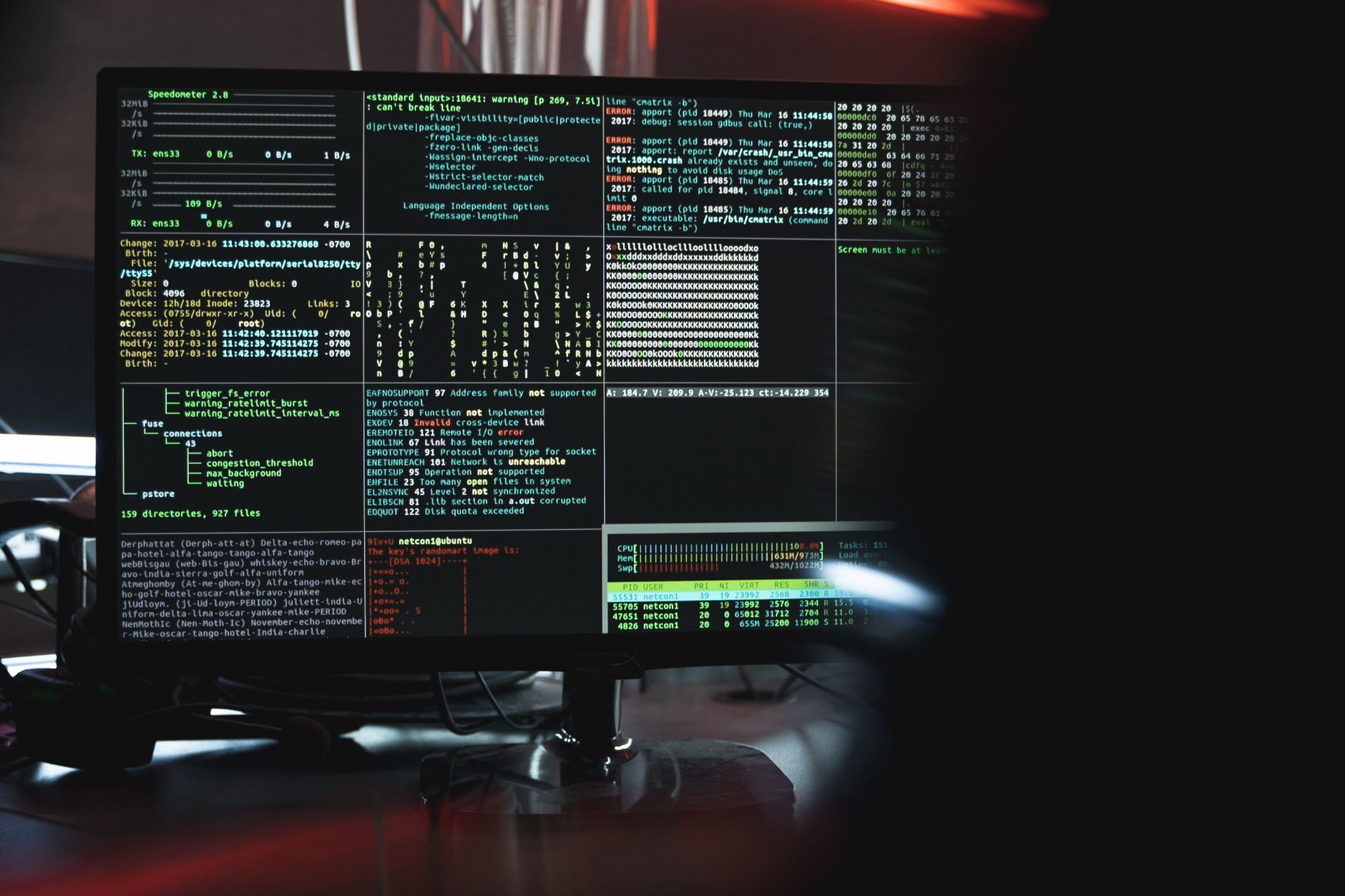
Stock photo by Tima Miroshnichenko via Pexels, illustrating software patching engineer terminal (temporary placeholder pending custom hero design).

ISO 27001 A.8.8: Management of Technical Vulnerabilities

ISO 27001 A.8.8 requires that an organization obtain information about the technical vulnerabilities in the systems it uses, assess its exposure to...
Stock photo by Samon Yu via Pexels, illustrating security operations center monitoring screens (temporary placeholder pending custom hero design).

ISO 27001 A.8.16: Monitoring Activities

ISO 27001 A.8.16 requires that networks, systems, and applications are monitored for anomalous behavior and that potential security incidents are...
Stock photo by Tima Miroshnichenko via Pexels, illustrating log data monitoring dashboard screen (temporary placeholder pending custom hero design).

ISO 27001 A.8.15: Logging

ISO 27001 A.8.15 requires an organization to produce, store, protect, and review logs that record activities, exceptions, faults, and security...

Stock photo by indra projects via Pexels, illustrating unlocking smartphone passcode screen hand (temporary placeholder pending custom hero design).

ISO 27001 A.8.5: Secure Authentication

ISO 27001 A.8.5 requires that secure authentication technologies and procedures are implemented based on how sensitive the information and system...

Stock photo by Chris F via Pexels, illustrating keycard access door security (temporary placeholder pending custom hero design).

ISO 27001 A.5.15: Access Control

ISO 27001 A.5.15 requires an organization to establish and maintain an access control policy that governs who may reach information and systems,...
Stock photo by panumas nikhomkhai via Pexels, illustrating server room red lights emergency (temporary placeholder pending custom hero design).

ISO 27001 A.5.24: Information Security Incident Management Planning and Preparation

ISO 27001 A.5.24 requires an organization to plan and prepare for security incidents before they happen: define the roles, the response process, the...
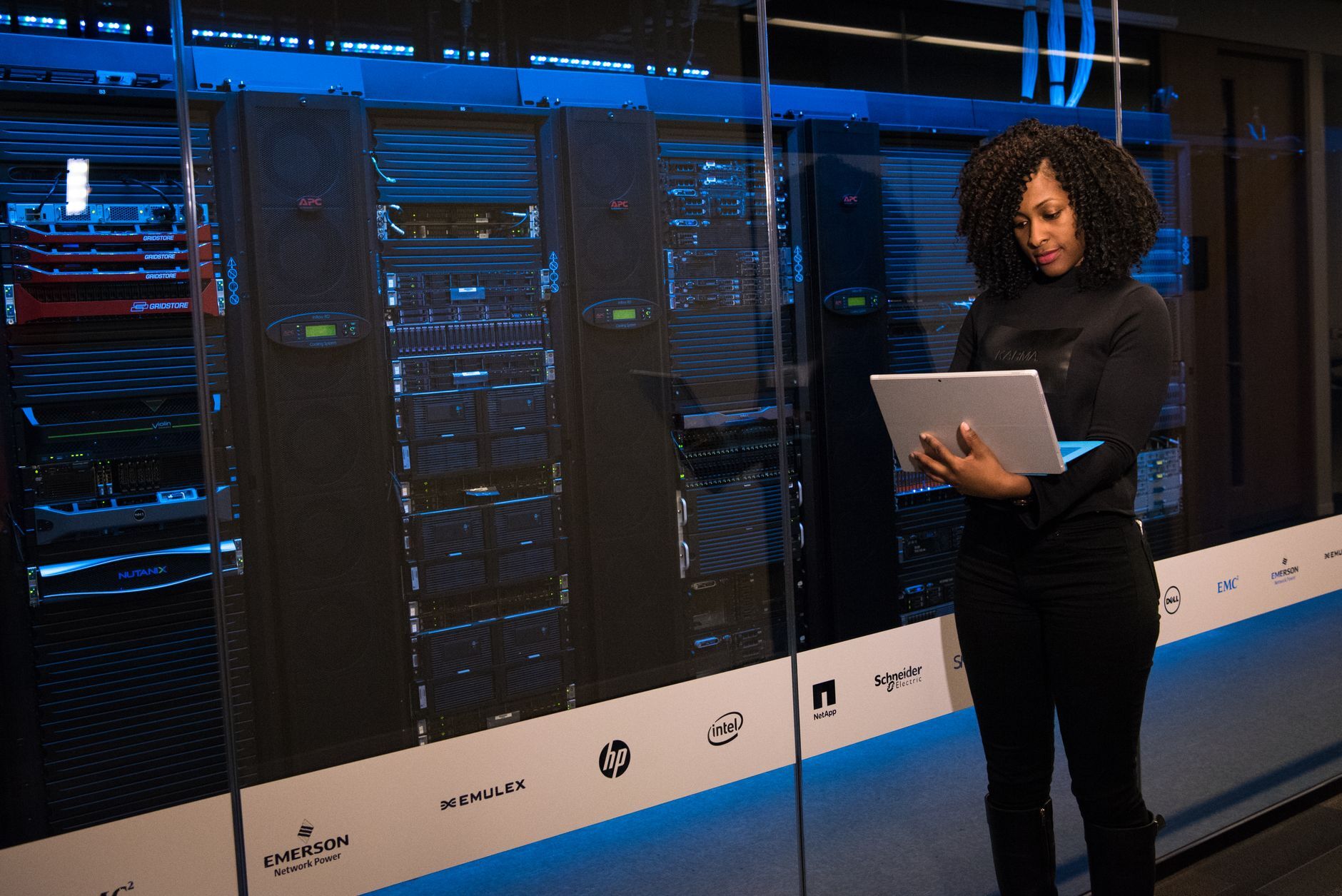
Stock photo by Christina Morillo via Pexels, illustrating server room administrator access (temporary placeholder pending custom hero design).

ISO 27001 A.8.2: Privileged Access Rights

ISO 27001 A.8.2 requires that privileged access rights, the elevated permissions that let a person change configuration, read all data, or bypass...

Stock photo by Mikhail Nilov via Pexels, illustrating team reviewing deployment pipeline screens (temporary placeholder pending custom hero design).

ISO 27001 A.8.32: Change Management

To satisfy ISO 27001 A.8.32, put every change to production systems, applications, and infrastructure through one documented path: a request, a risk...
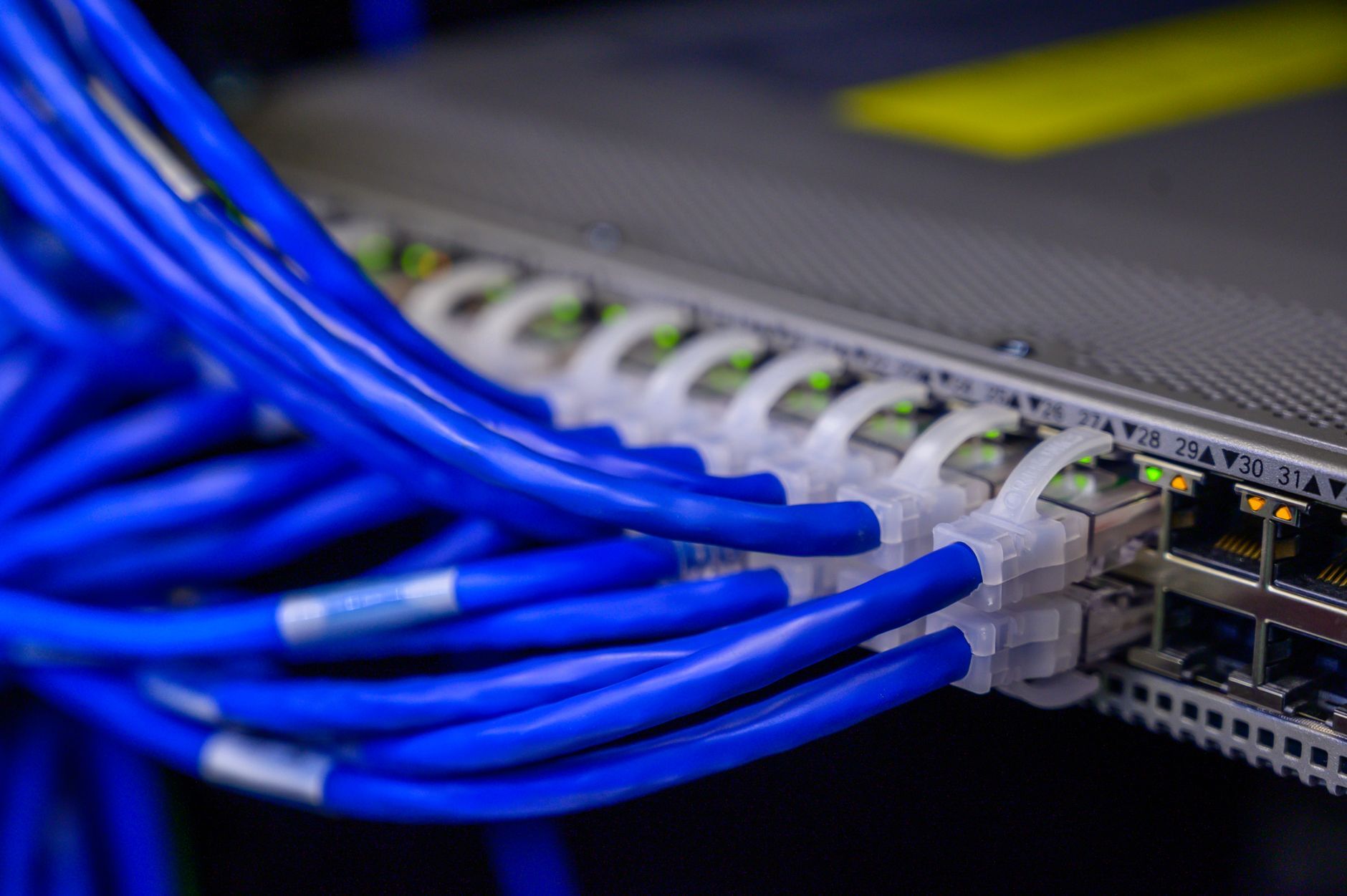
Stock photo by Brett Sayles via Pexels, illustrating network cables switch data center (temporary placeholder pending custom hero design).

ISO 27001 A.8.20: Network Security

ISO 27001 A.8.20 requires that the networks carrying an organization's information are secured, managed, and controlled to protect the systems and...
Stock photo by panumas nikhomkhai via Pexels, illustrating cybersecurity data center servers (temporary placeholder pending custom hero design).

GRC Software vs a GRC Service for Security Reviews in 2026

GRC software and a security review are different. The software is the tool. The review is the work that helps a B2B SaaS deal move forward.GRC...
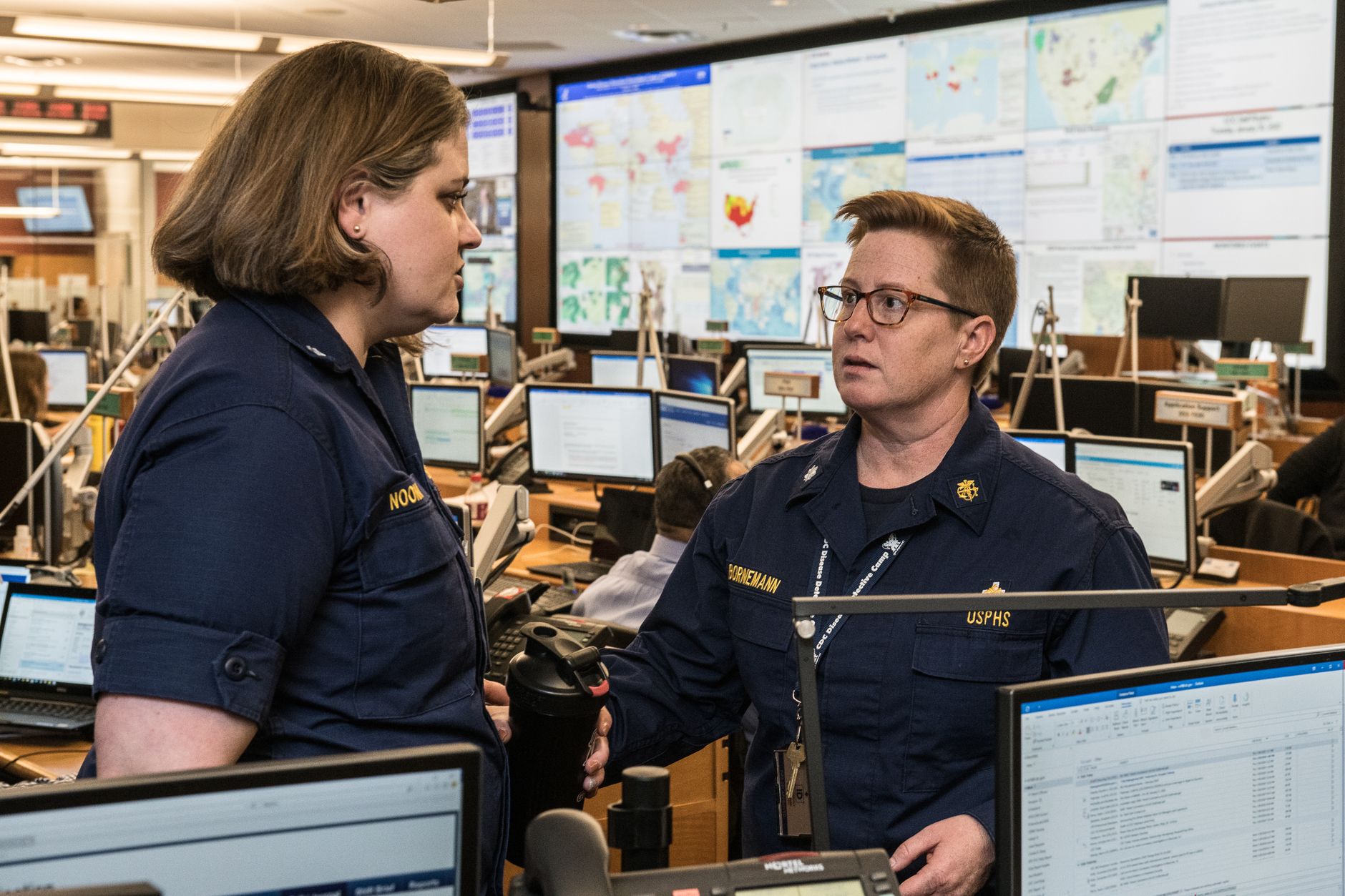
Stock photo by CDC via Pexels, illustrating security operations center team (temporary placeholder pending custom hero design).

Top 8 vCISO Services for Mid-Market SaaS in 2026

The right vCISO service for a mid-market SaaS company is the one that owns and runs the security program end to end, on a fractional basis, the way a...
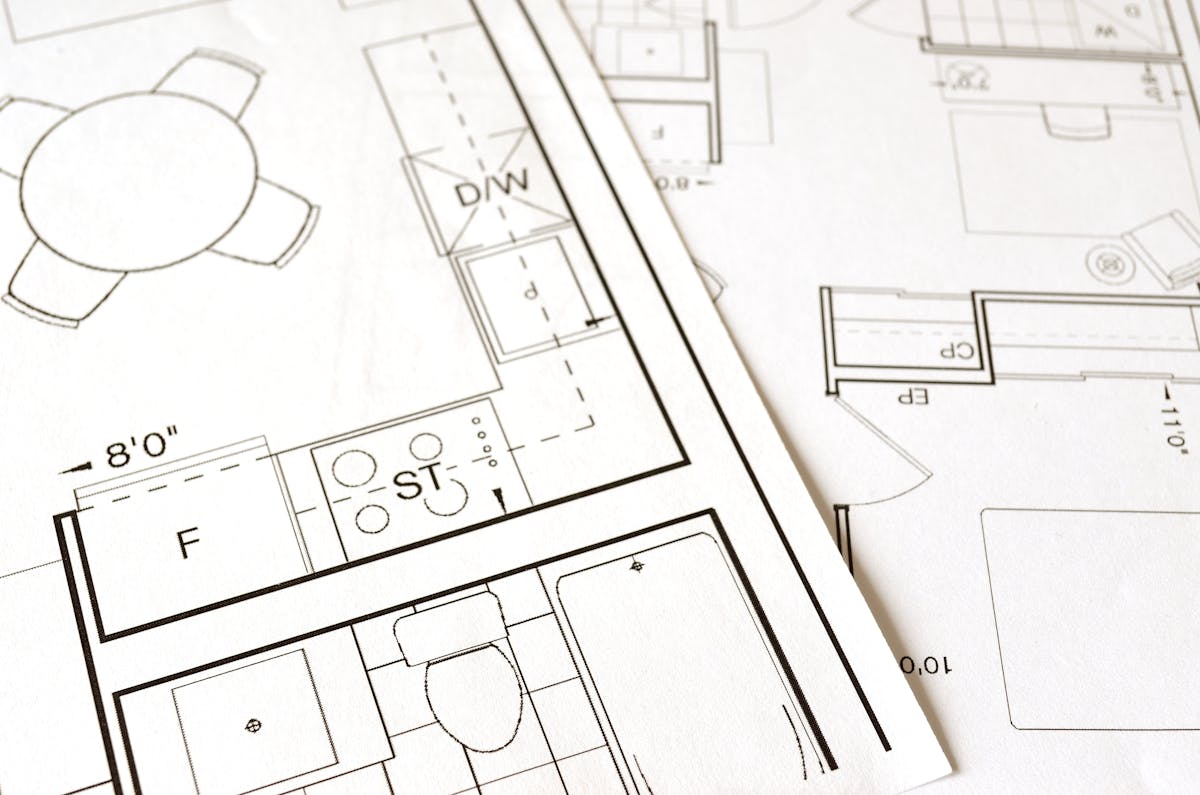
Architectural blueprint and floor plan, representing security requirements sourced from a system design

What Does a Security Architect Do?

A security architect does three jobs: sets security requirements for systems other people design, assesses and reviews those designs, and solutions...
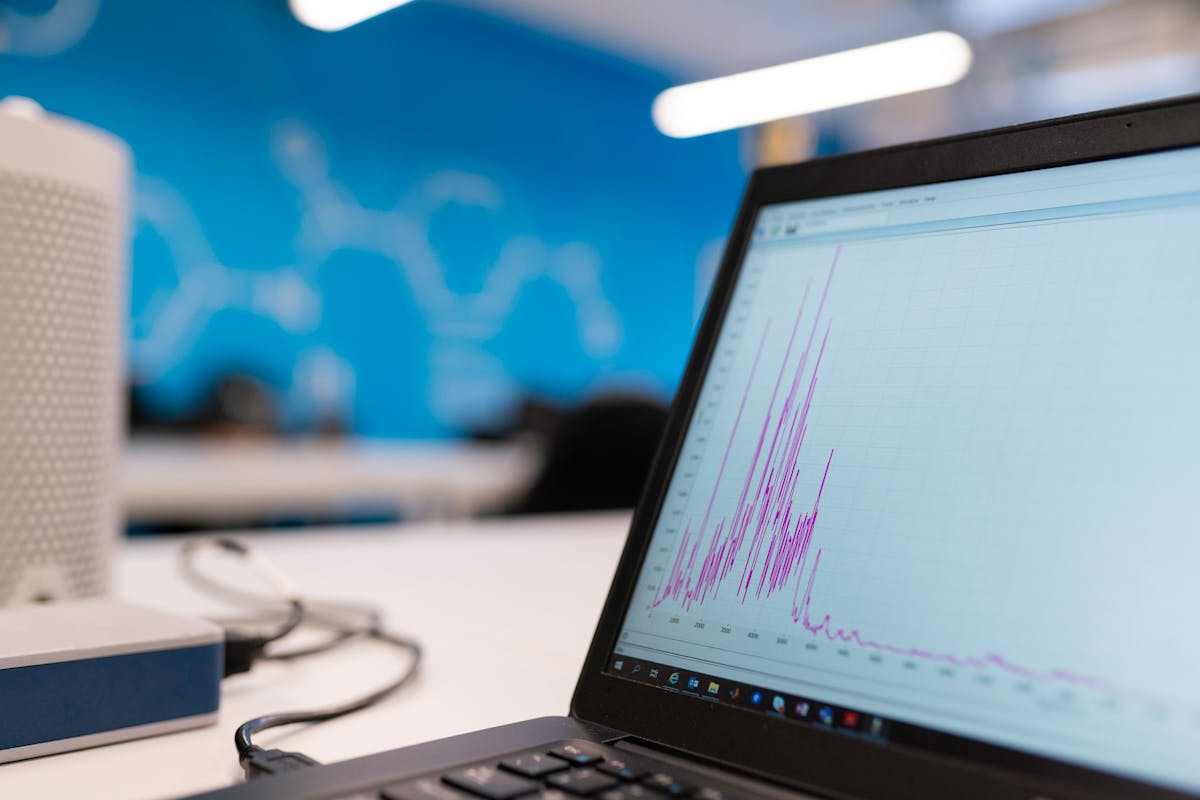
Analytics dashboard on a laptop screen, representing a maturity scorecard across applications

How to Run a Security Assessment Across 90 Applications in 90 Days

When an application portfolio is too large to pen-test, an inquiry-based maturity assessment gets you a defensible, board-ready picture in weeks...
Server hardware illuminated in blue, representing identity synchronized across hybrid environments

Hybrid Identity Management: How to Centralize IGA

It's tempting to centralize identity by buying a platform, but I leave the platform for last. Below is my approach to solutioning centralized...
Stock photo by Brett Sayles via Pexels, illustrating data center server room network security (temporary placeholder pending custom hero design).

Security Architecture in Practice: The Questions Teams Actually Ask

Security architecture is the practice of designing how people, process, and technology work together to protect an organization's systems. It is not...
Stock photo by panumas nikhomkhai via Pexels, illustrating data center disaster recovery (temporary placeholder pending custom hero design).

EDR vs MDR: The Simple Difference, and Which One You Need

EDR and MDR sound almost identical, and the two terms often get used interchangeably. The short explanation: EDR is the tool, and MDR is the service...

Stock photo by panumas nikhomkhai via Pexels, illustrating data center disaster recovery (temporary placeholder pending custom hero design).

SOC 2 CC7.5: Recovering From Identified Security Incidents

SOC 2 CC7.5 requires a company to identify, develop, and implement the activities that recover the environment after a security incident, and to...

Stock photo by Markus Winkler via Pexels, illustrating cybersecurity incident response team (temporary placeholder pending custom hero design).

SOC 2 CC7.4: Responding to Security Incidents

SOC 2 CC7.4 requires a company to respond to security incidents through a defined incident-response program that understands, contains, remediates,...
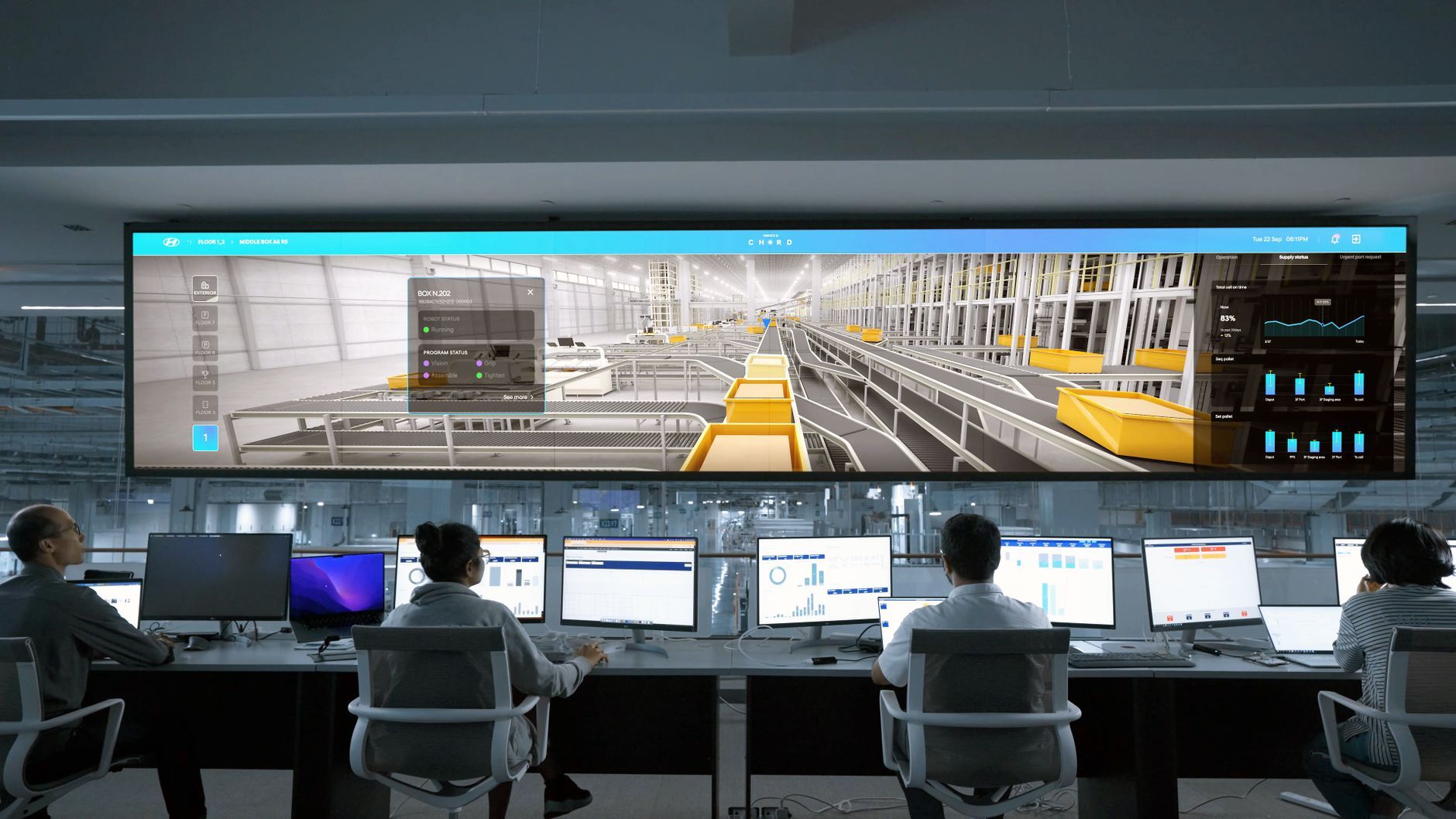
Stock photo by Hyundai Motor Group via Pexels, illustrating security operations center (temporary placeholder pending custom hero design).

SOC 2 CC7.3: Evaluating Security Events to Identify Incidents

SOC 2 CC7.3 requires a company to evaluate detected security events, decide which of them are incidents, and act on the ones that are. It sits in the...
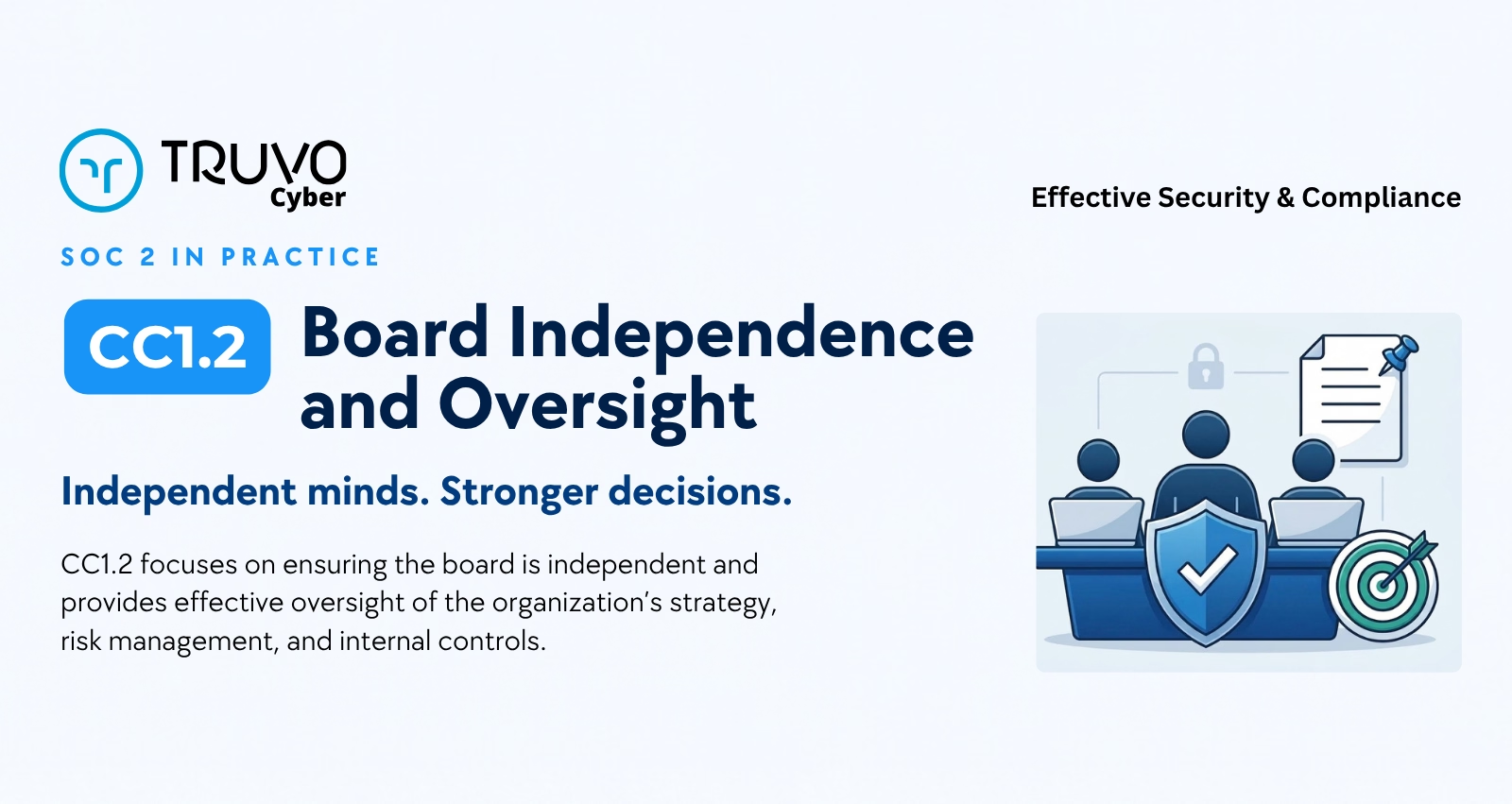
SOC 2 CC1.2 - Board Independence and Oversight

SOC 2 CC1.2: Board Independence and Oversight

SOC 2 CC1.2 requires that a board of directors, or the body that plays the board's role, stays independent from management and exercises oversight of...
Stock photo by panumas nikhomkhai via Pexels, illustrating server room technology (temporary placeholder pending custom hero design).

SOC 2 CC5.2: General Controls Over Technology

SOC 2 CC5.2 requires an organization to select and develop general control activities over technology so its systems support the objectives the...

Stock photo by Christina Morillo via Pexels, illustrating team meeting communication (temporary placeholder pending custom hero design).

SOC 2 CC2.2: Internal Communication

SOC 2 CC2.2 requires an organization to communicate internal control information, including objectives and responsibilities, to the people inside the...