CMMCCMMC 2.0CPCSCITSP.10.171



Co-Founder & Principal Consultant, CISSP, CCSP
Former security architect for Bank of Canada and Payments Canada. 20+ years building compliance programs for critical infrastructure. Ali leads Truvo's SOC 2, ISO 27001, and CMMC engagements, bringing enterprise-grade security architecture to growing companies.
Follow on LinkedIn →
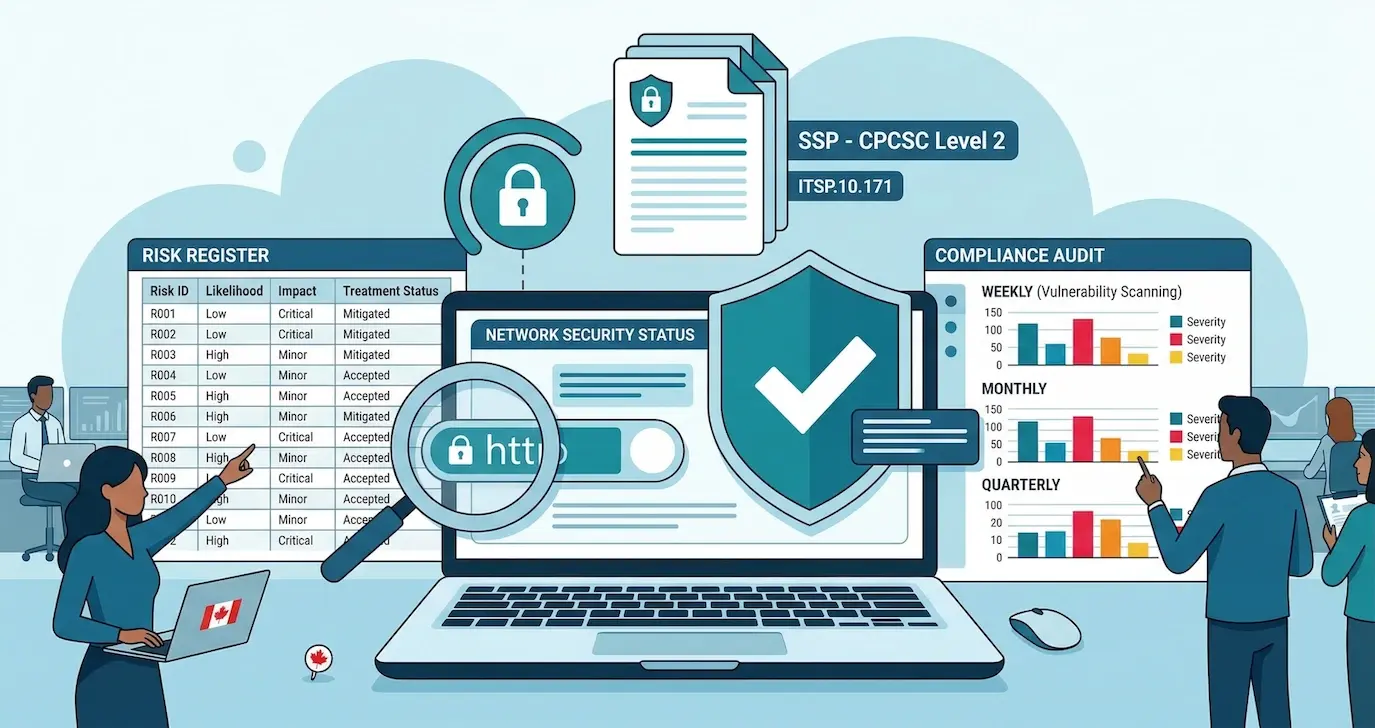
The majority of ITSP.10.171 control families deal with operational security: how you configure systems, manage access, protect data. The Risk...
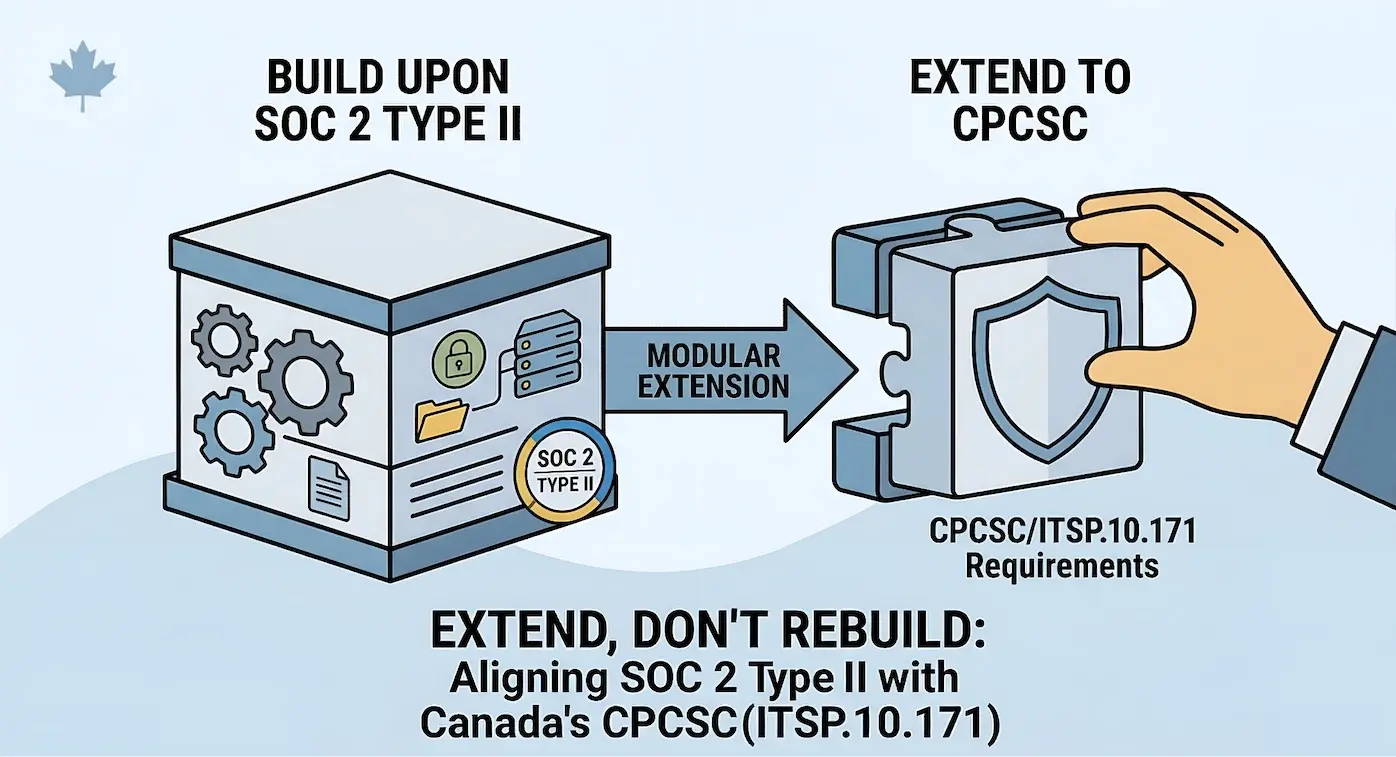
The question comes up consistently when companies with established security programs look at entering the Canadian defence supply chain: Do we need...
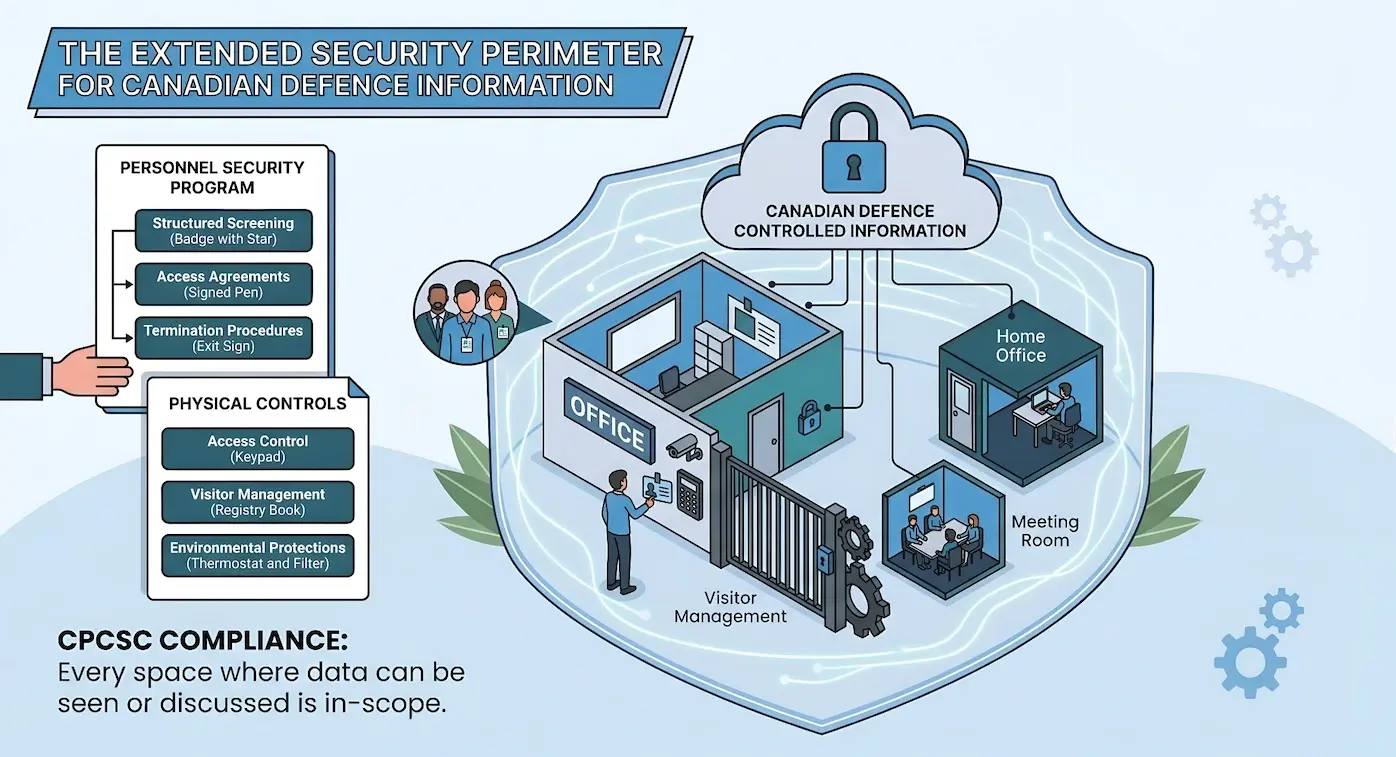
Every other control family in ITSP.10.171 has a reasonable analogue in the commercial compliance world. Access control maps to SOC 2 CC6. Incident...
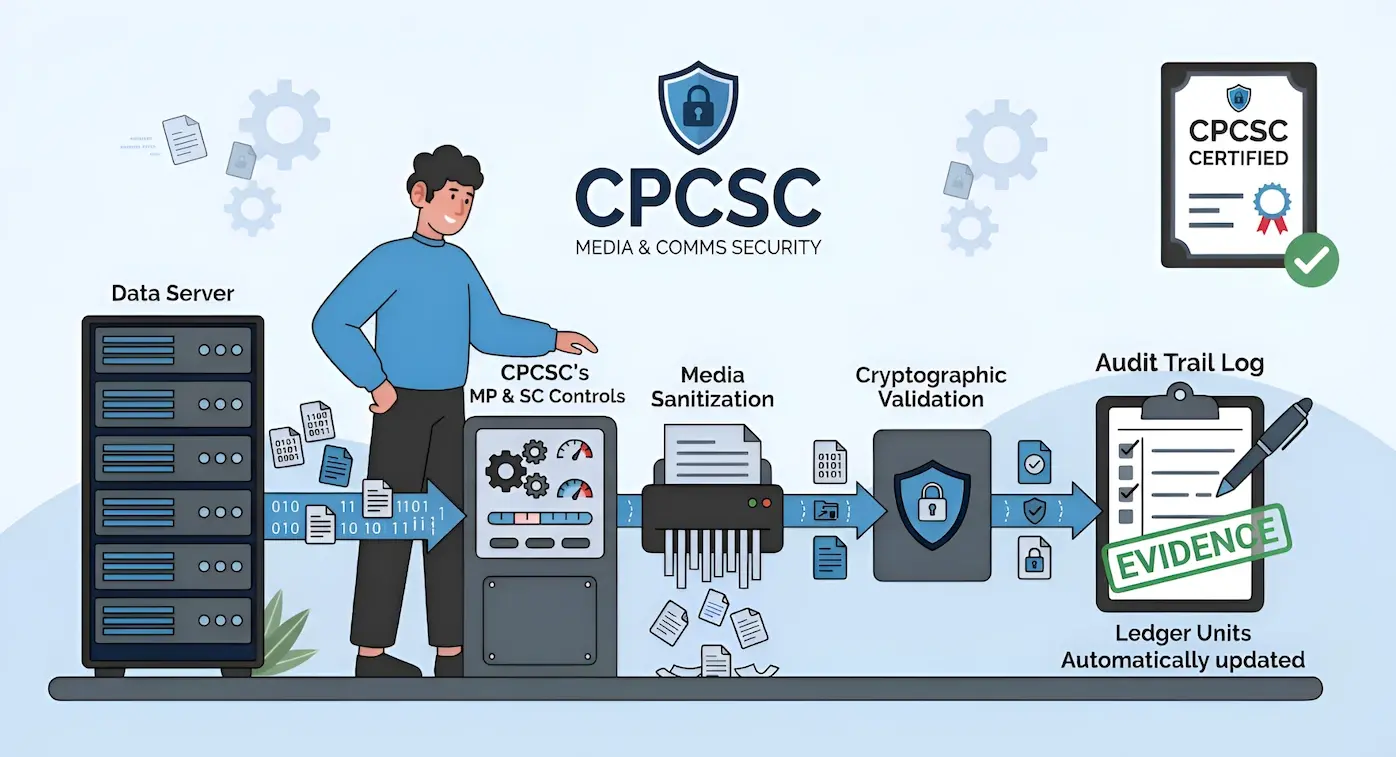
In a compliance landscape that increasingly assumes cloud-first architecture, media protection controls tend to get deprioritized. The assumption is...
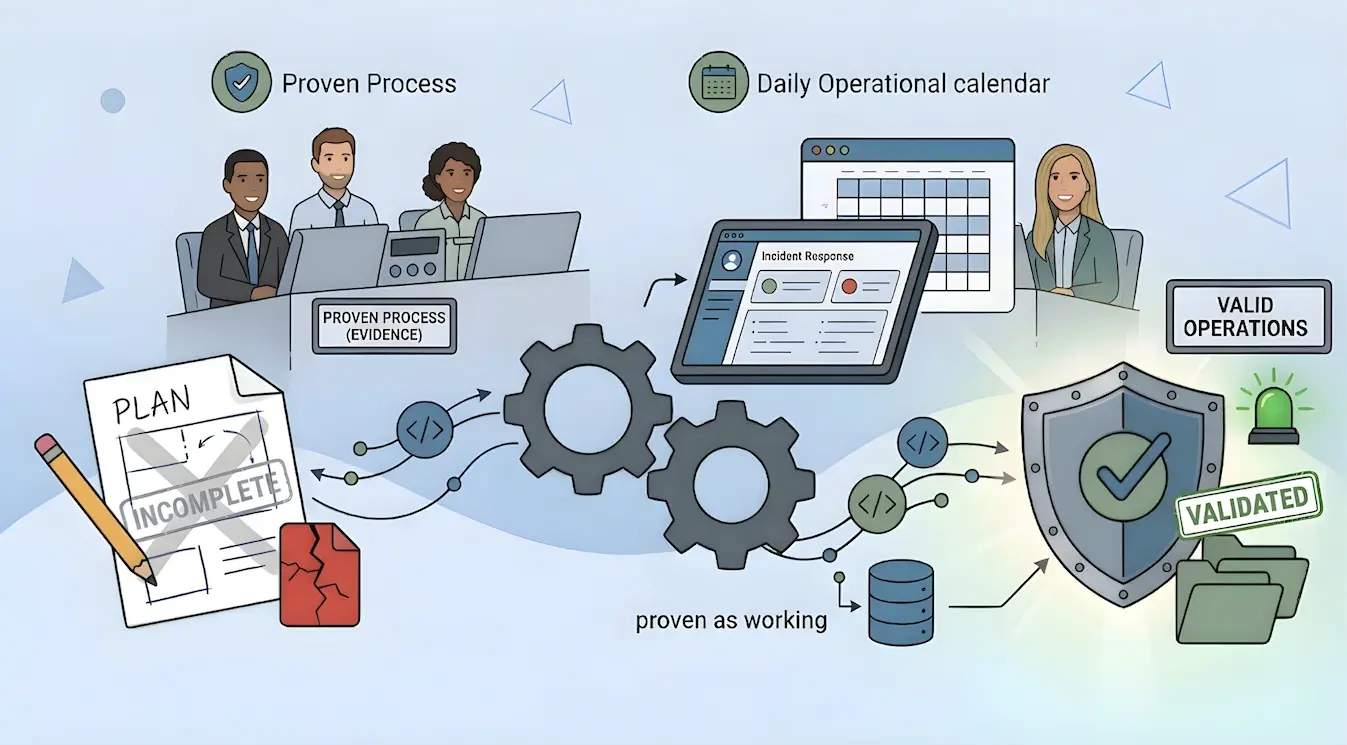
An incident response plan that exists only in a shared drive is not evidence of preparedness. It is evidence of intent, and the Canadian Program for...
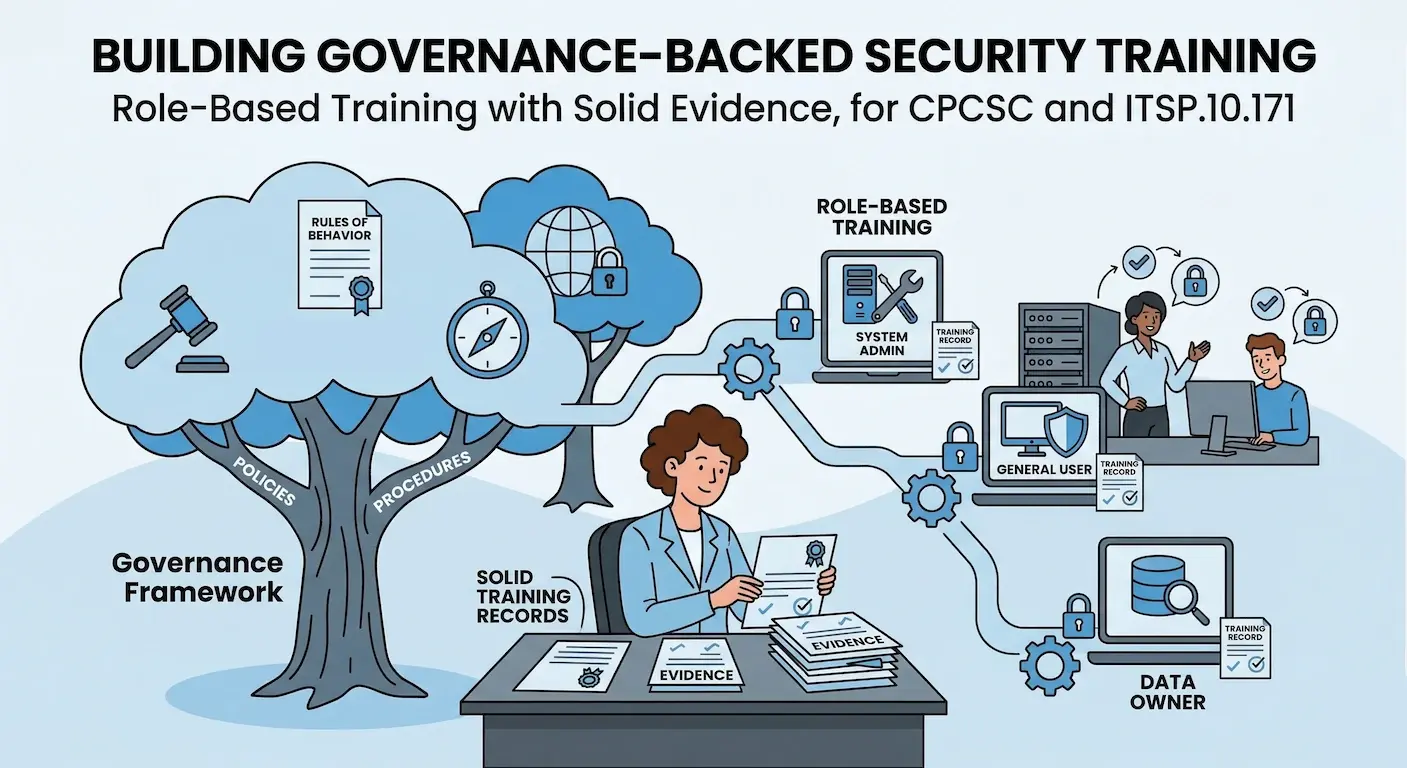
The previous twelve posts in this series covered the technical and operational control families in ITSP.10.171: access control, incident response,...
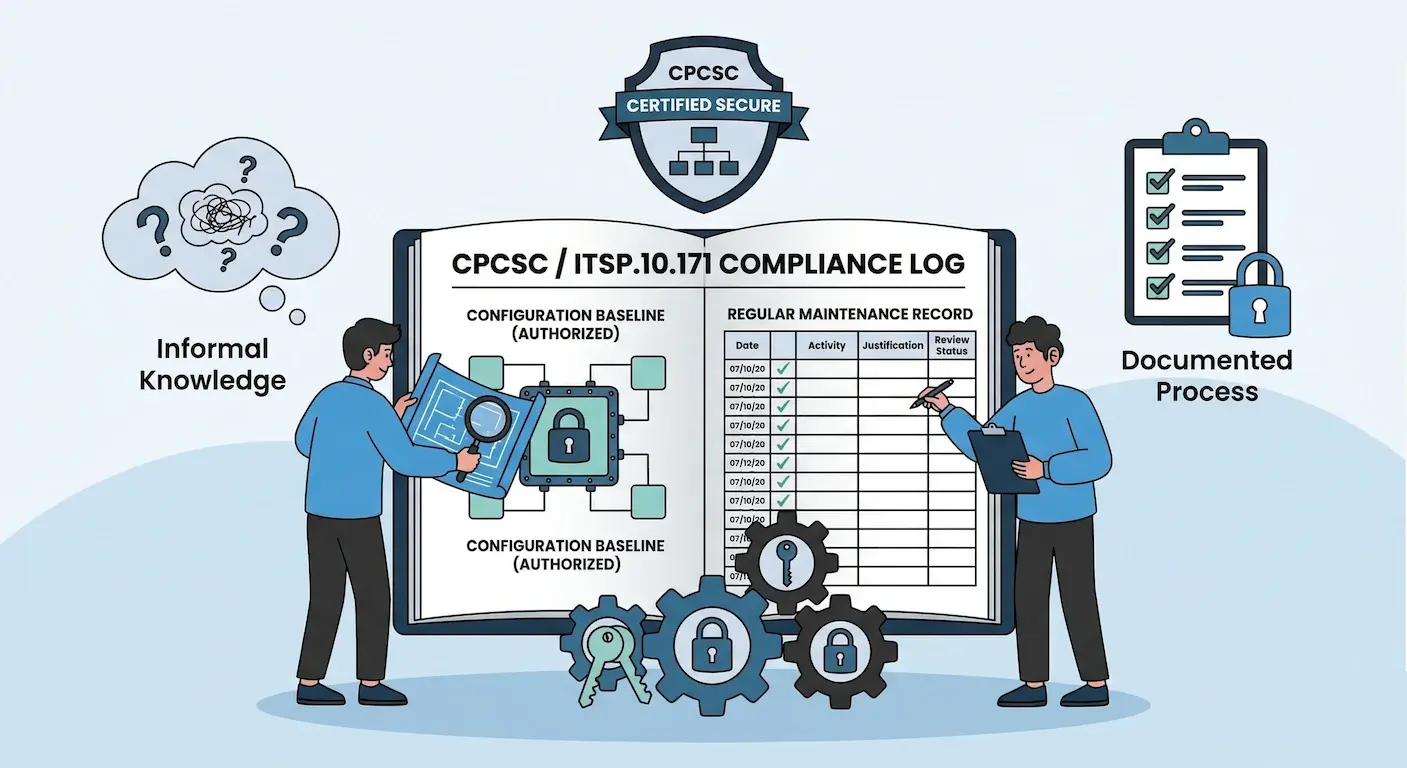
There is a specific phrase that comes up in nearly every environment that has never been through a formal configuration review: We know our systems....
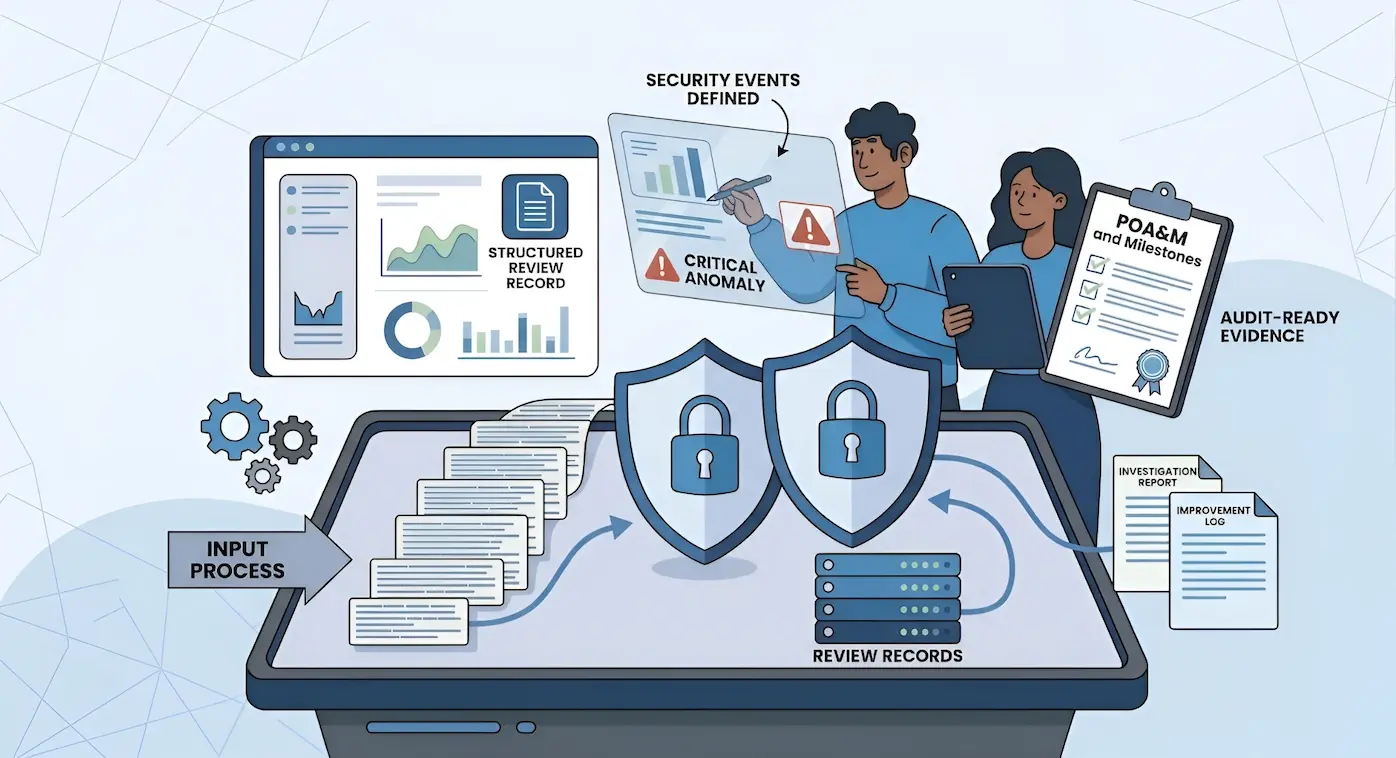
Most organizations produce logs. Application servers generate them, firewalls record them, identity providers track them. The volume is rarely the...
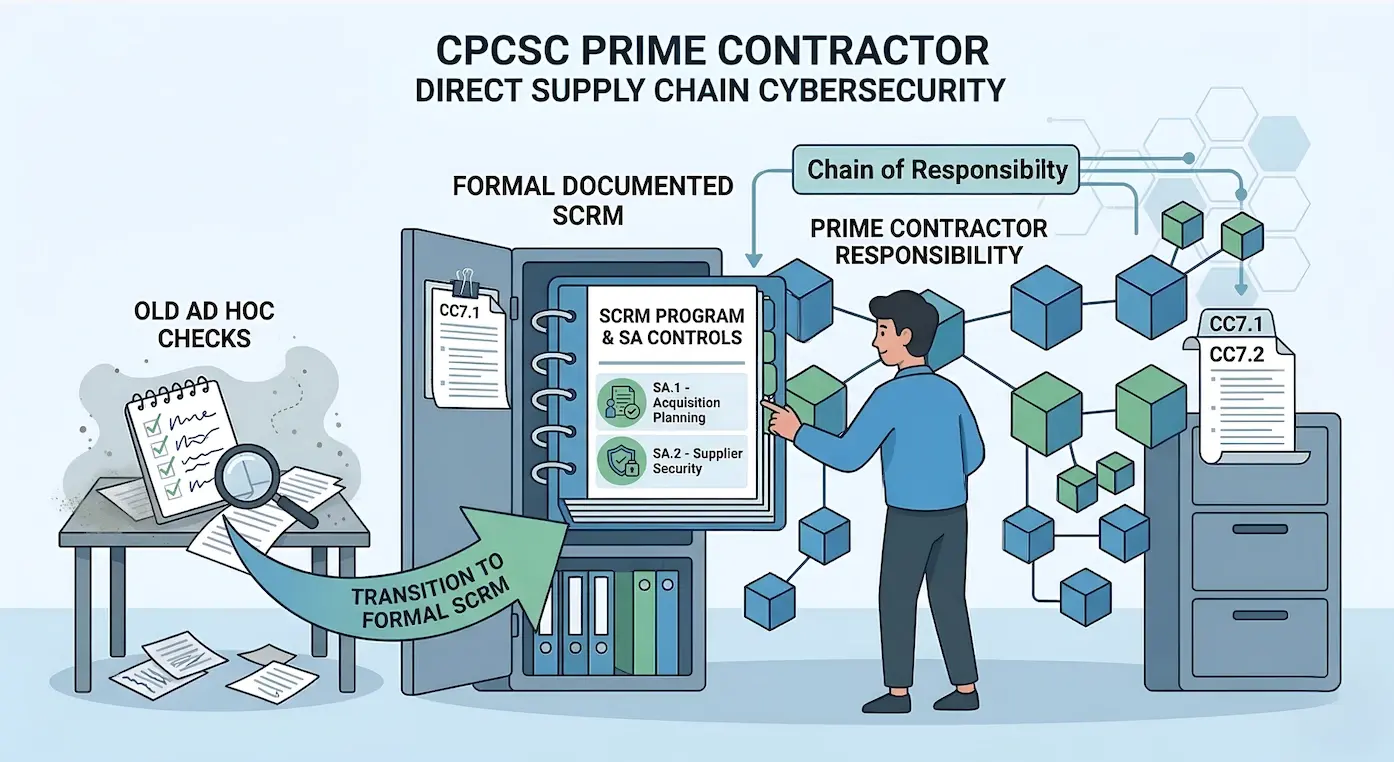
For most of the history of Canadian defence procurement, cybersecurity obligations ended at the prime contractor's perimeter. A prime could hold a...
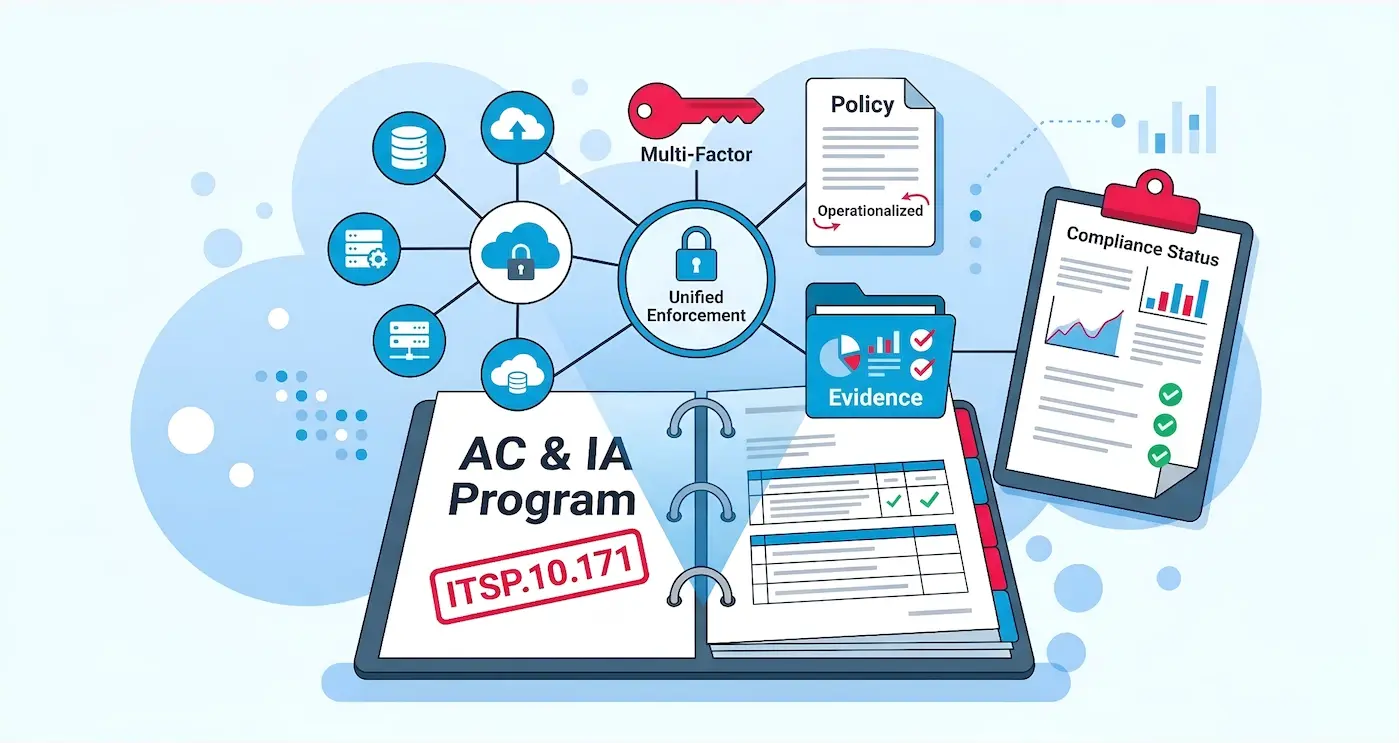
Every security program has access controls of some kind. Password policies exist, MFA is probably enabled somewhere, and someone has a spreadsheet...
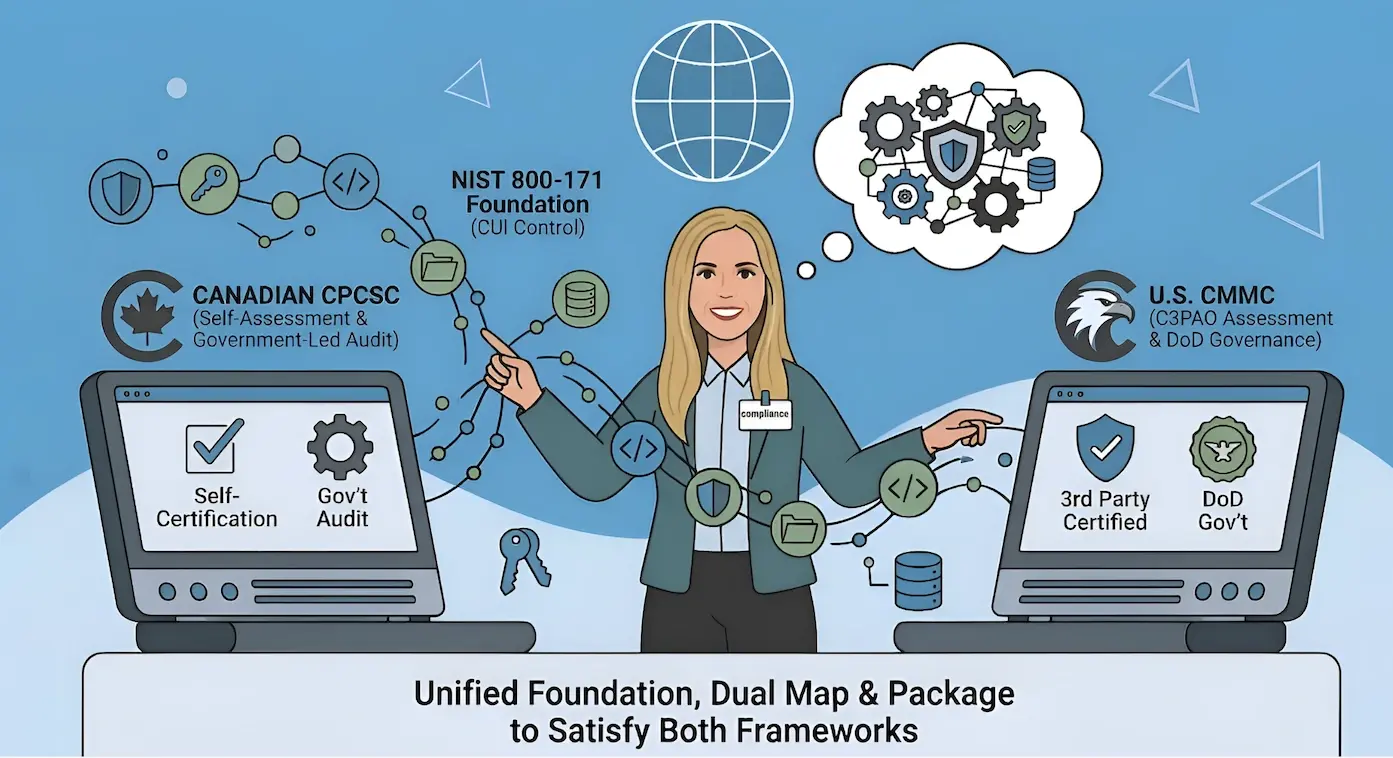
CPCSC (Canada) and CMMC (United States) both derive from NIST SP 800-171, so their control sets largely overlap. They differ in how each program...
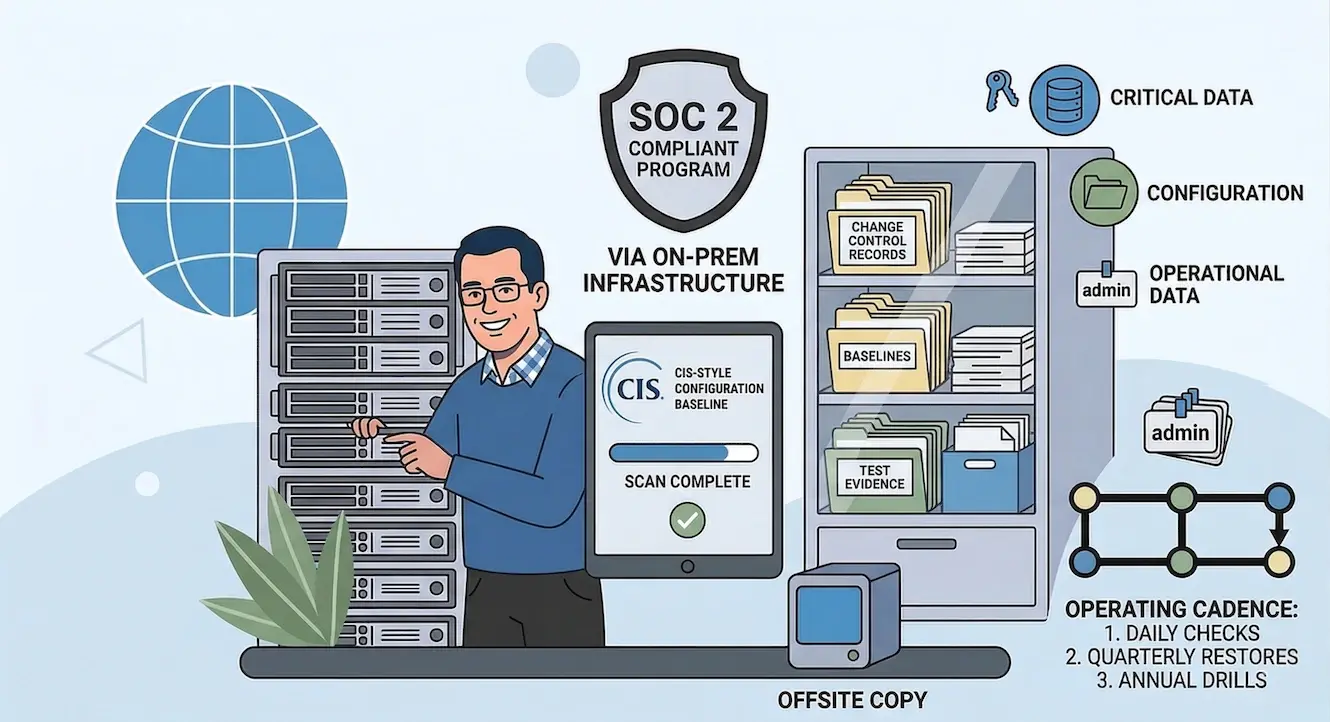
In cloud environments, configuration compliance is a toggle. Enable AWS Config, deploy a conformance pack, and the platform continuously evaluates...
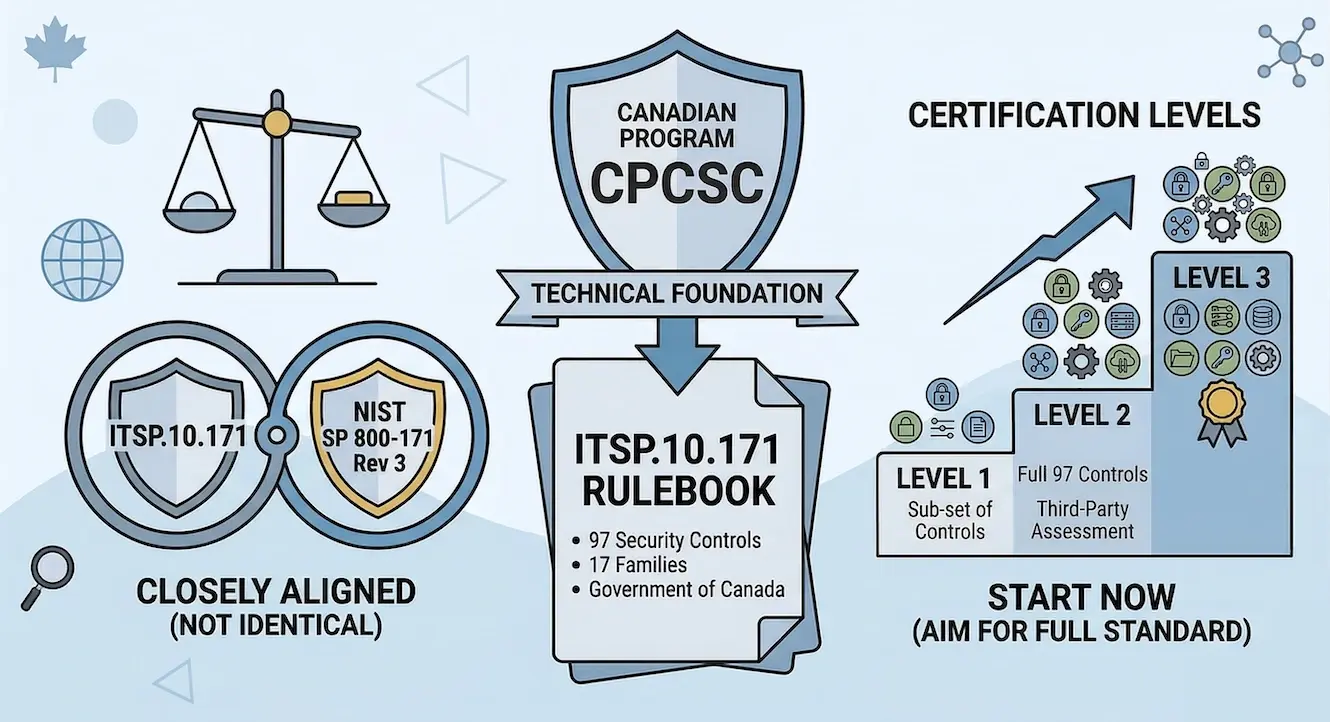
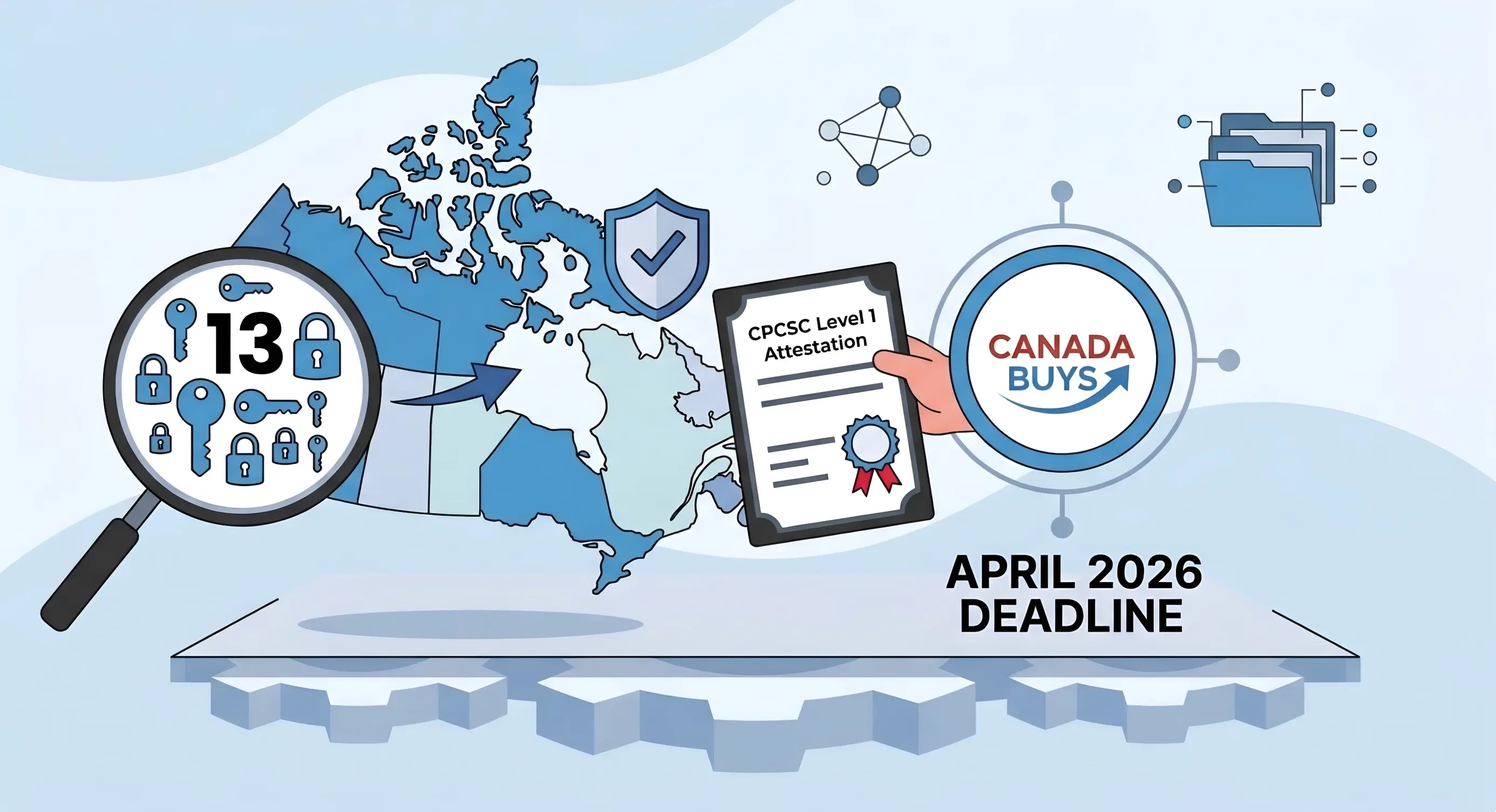
CPCSC Level 1 is an annual self-assessment of your organization against the security requirements of the Canadian Program for Cyber Security...
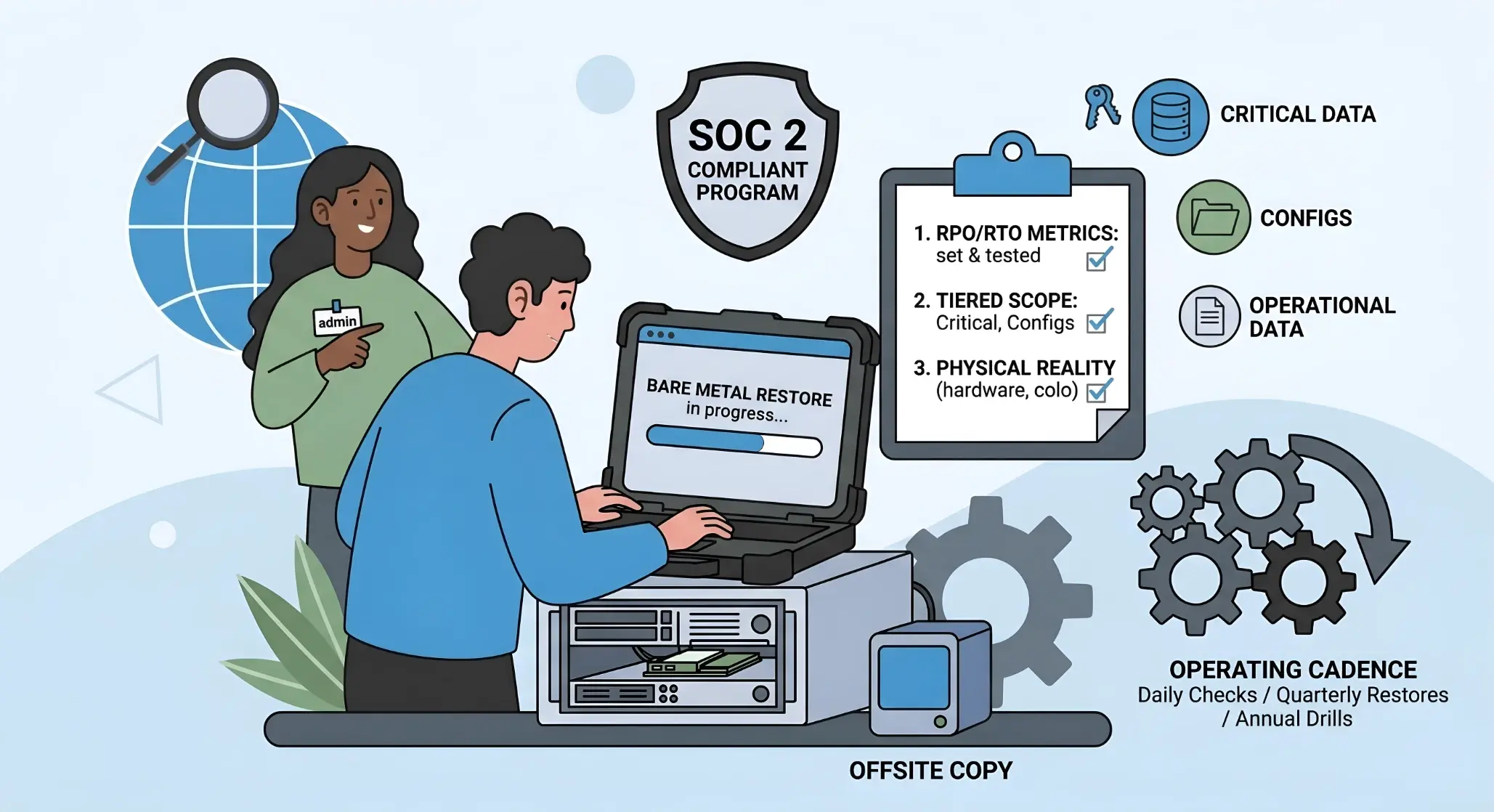
Cloud disaster recovery is a region failover. Click a button, spin up infrastructure in another availability zone, and the platform handles...
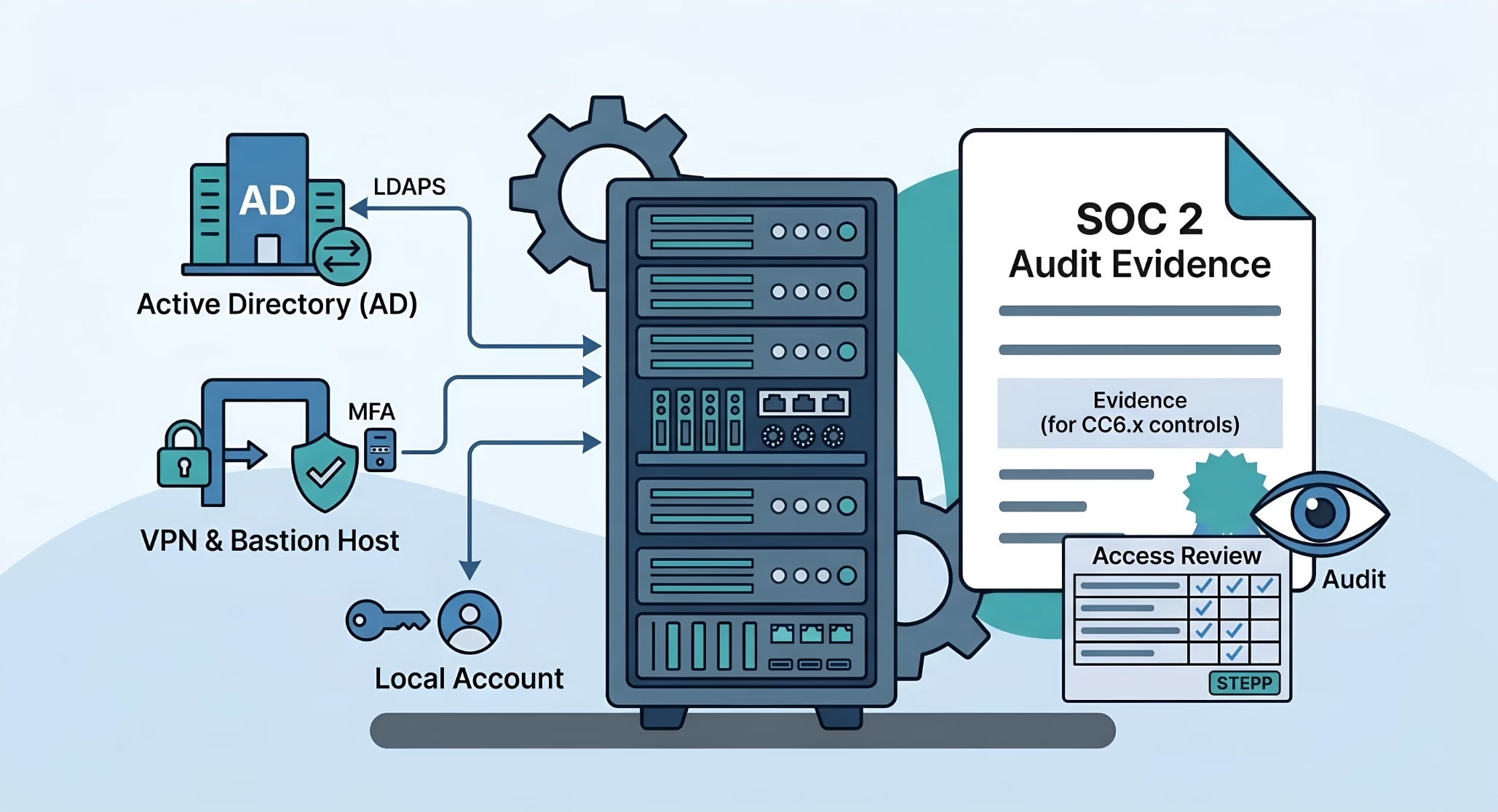
In cloud environments, access control is a managed service. AWS IAM provides centralized identity, Okta handles SSO across every SaaS tool, and the...
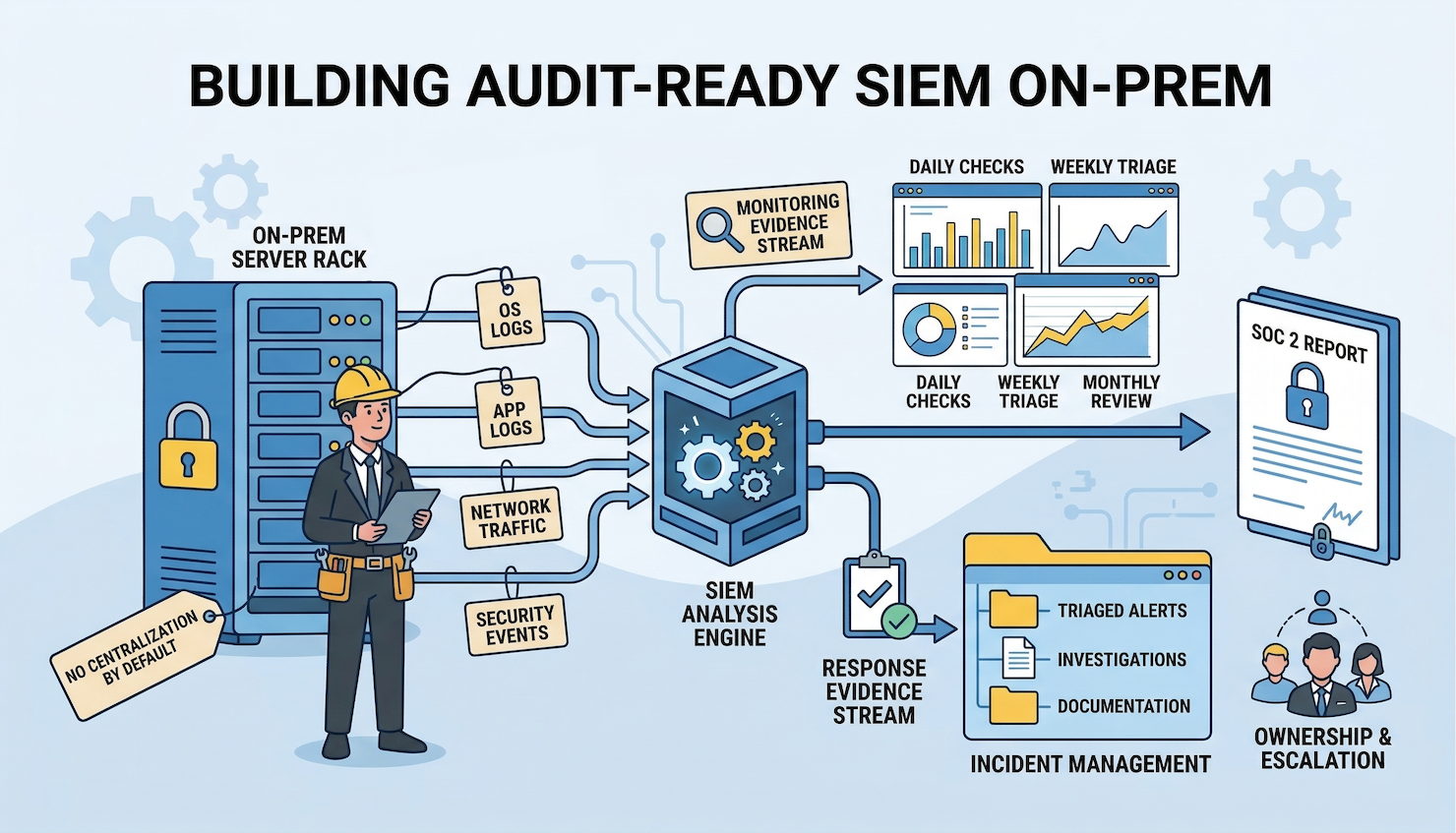
In a cloud environment, centralized logging is a toggle. Enable CloudTrail, turn on VPC Flow Logs, configure GuardDuty, and the compliance platform...
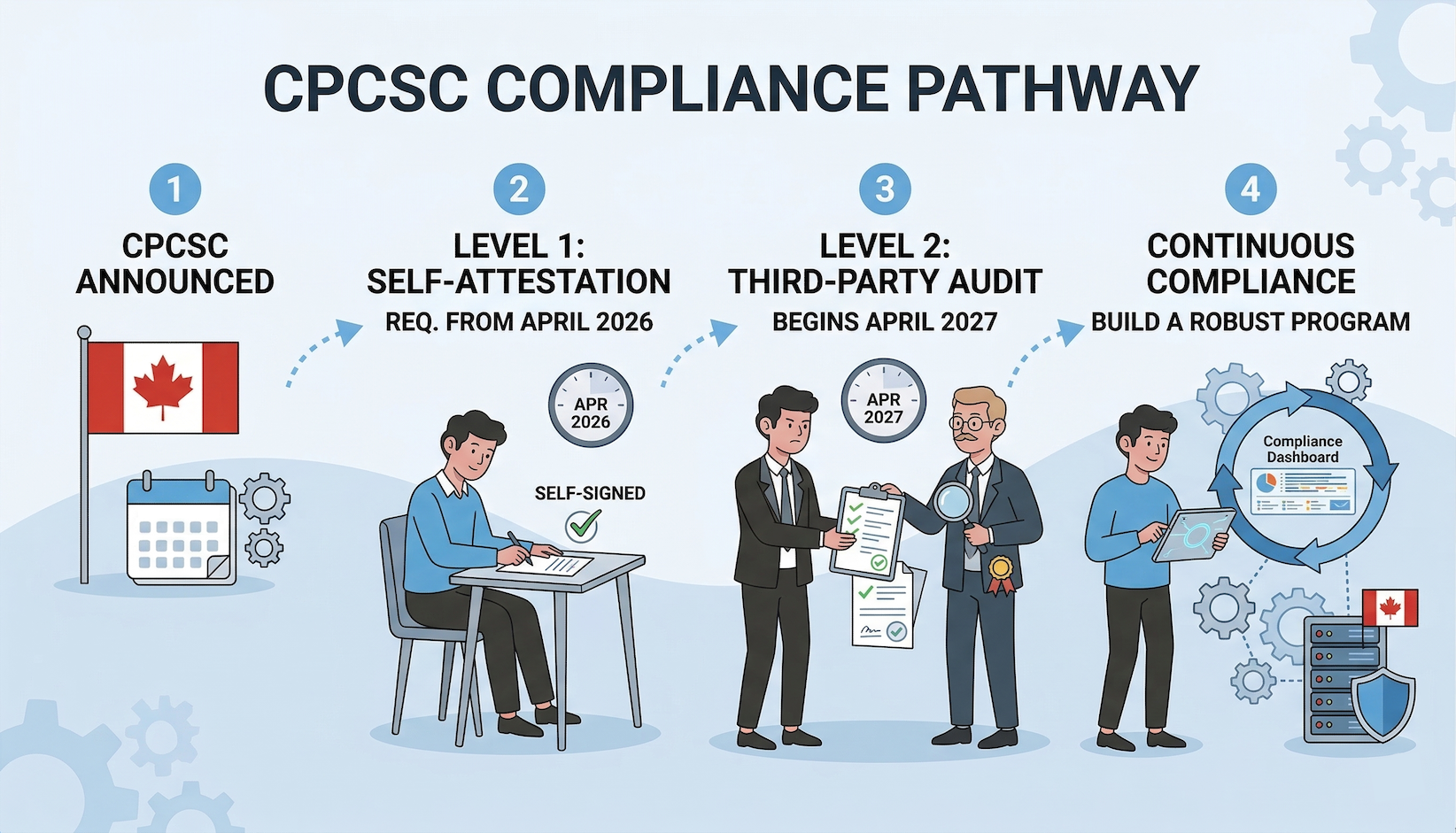
The Canadian Program for Cyber Security Certification (CPCSC) is Canada's mandatory cybersecurity certification for companies bidding on Department...
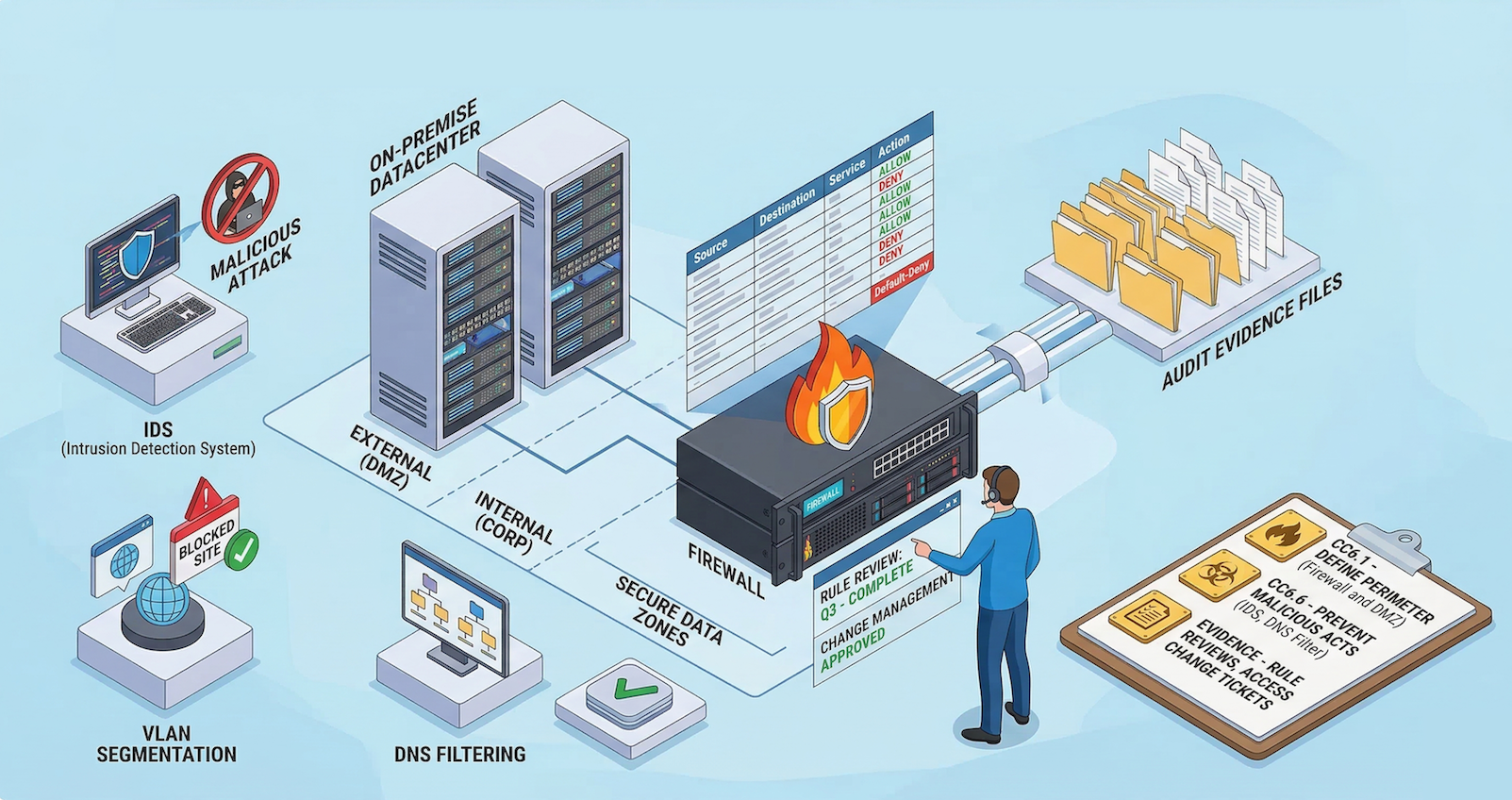
Every SOC 2 guide on network security assumes the infrastructure lives in AWS. The advice is always the same: configure security groups, enable VPC...
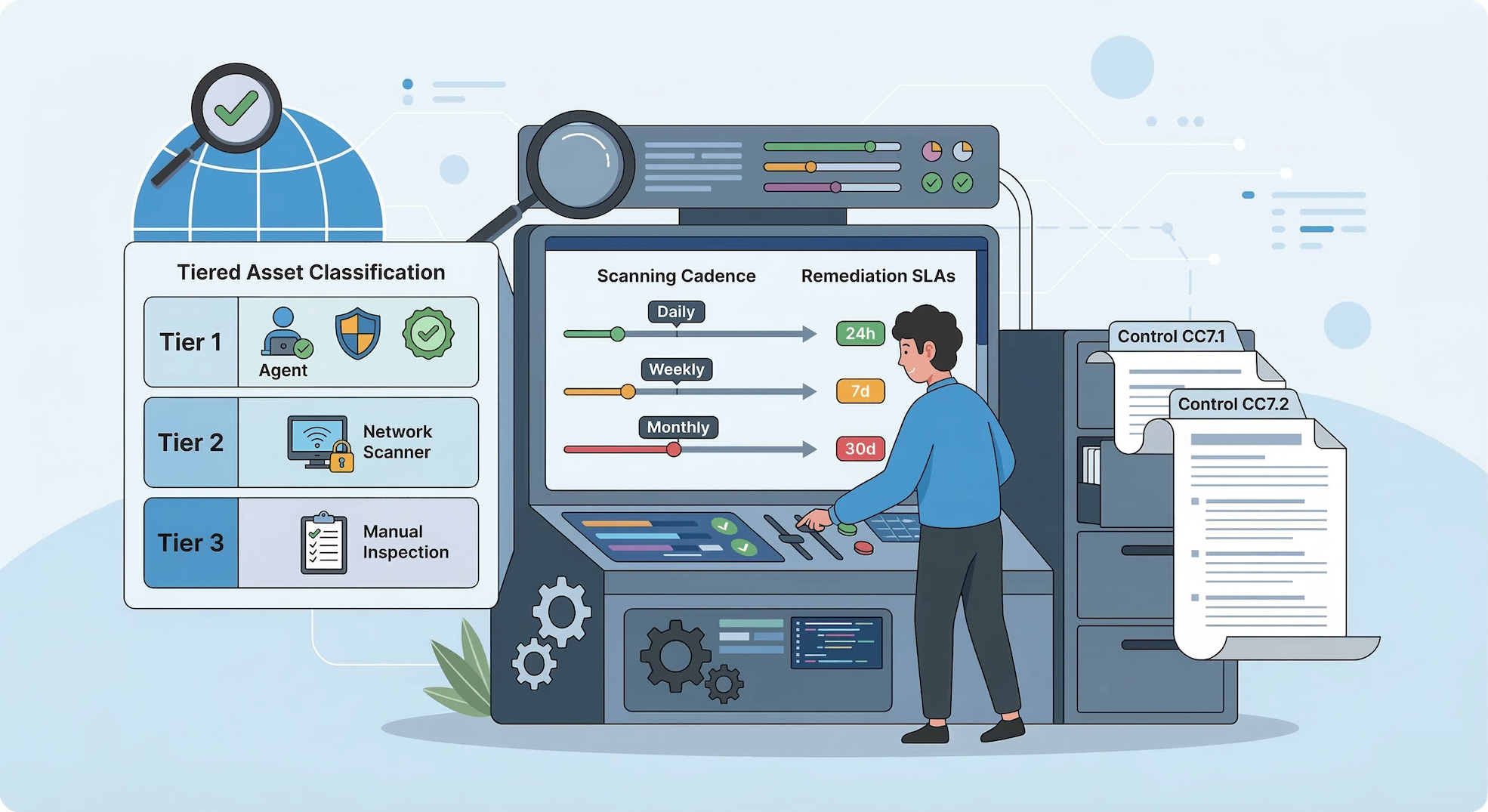
Every SOC 2 vulnerability scanning guide assumes the same starting point: connect a cloud-native scanner, enable automated assessments, and let the...
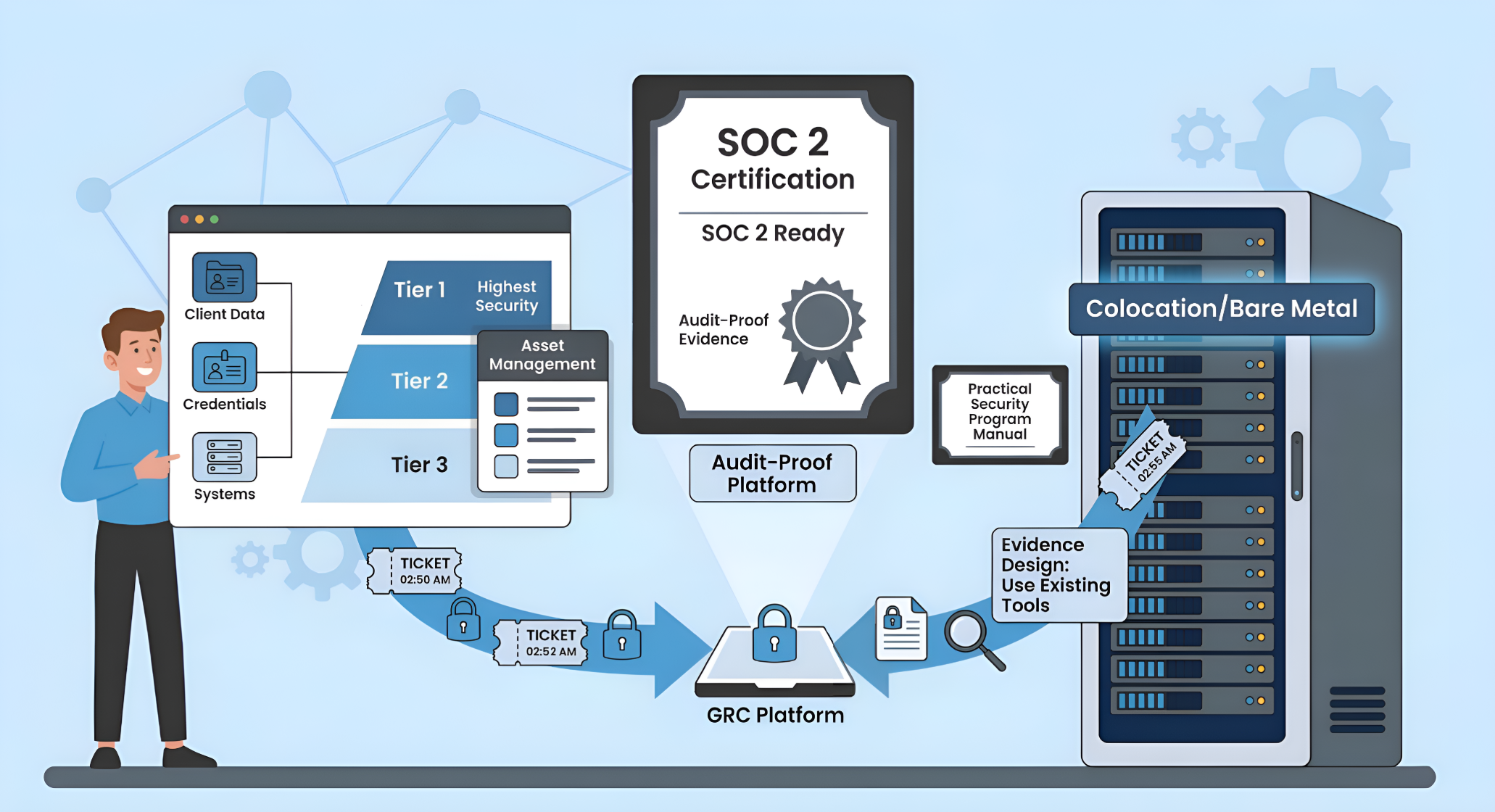
A pattern keeps showing up. A SaaS company that has been running successfully for years, sometimes a decade or more, gets a call from a major...
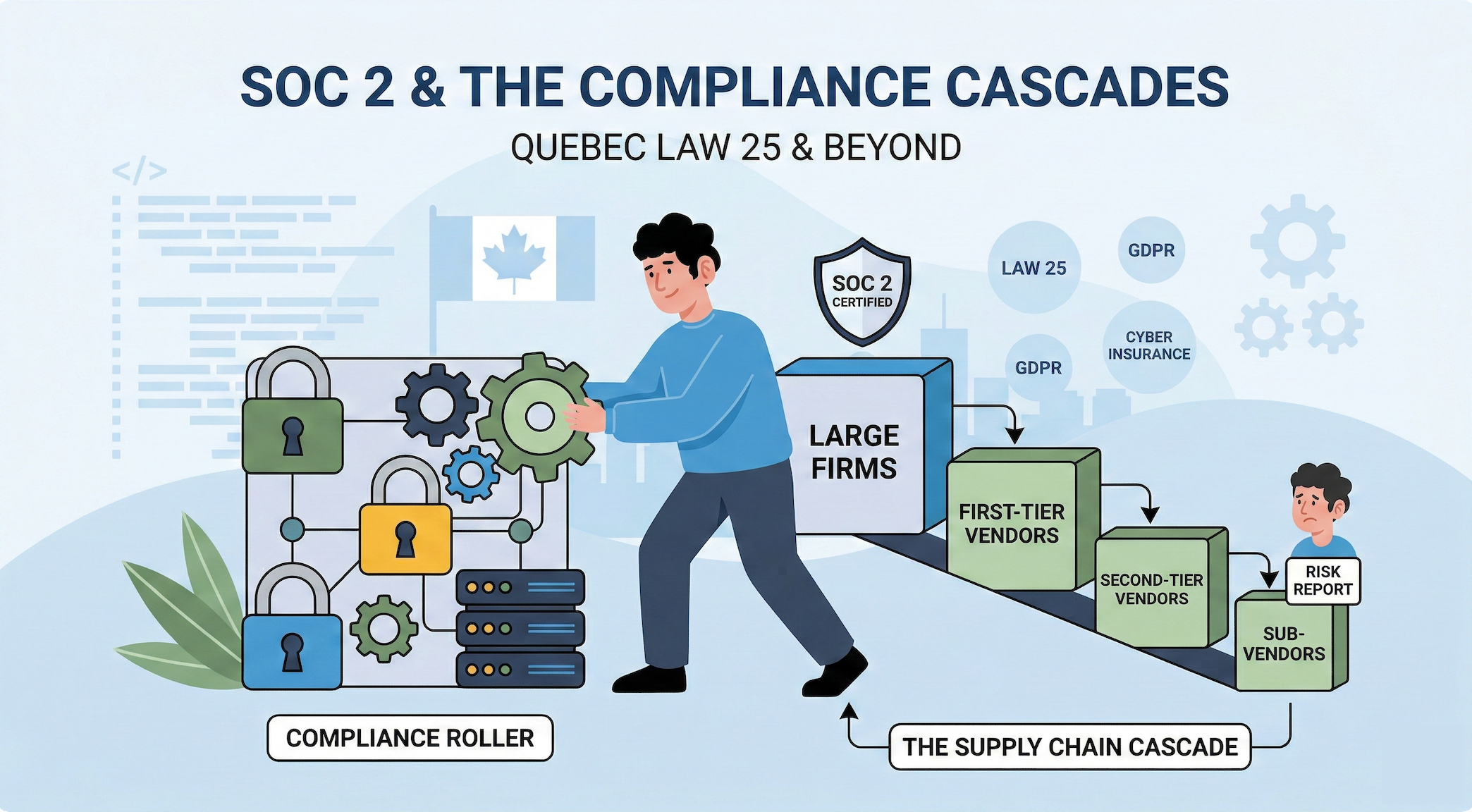
SOC 2, and compliance in general, is self-perpetuating. Once a company achieves certification, one of the first things the framework requires is...
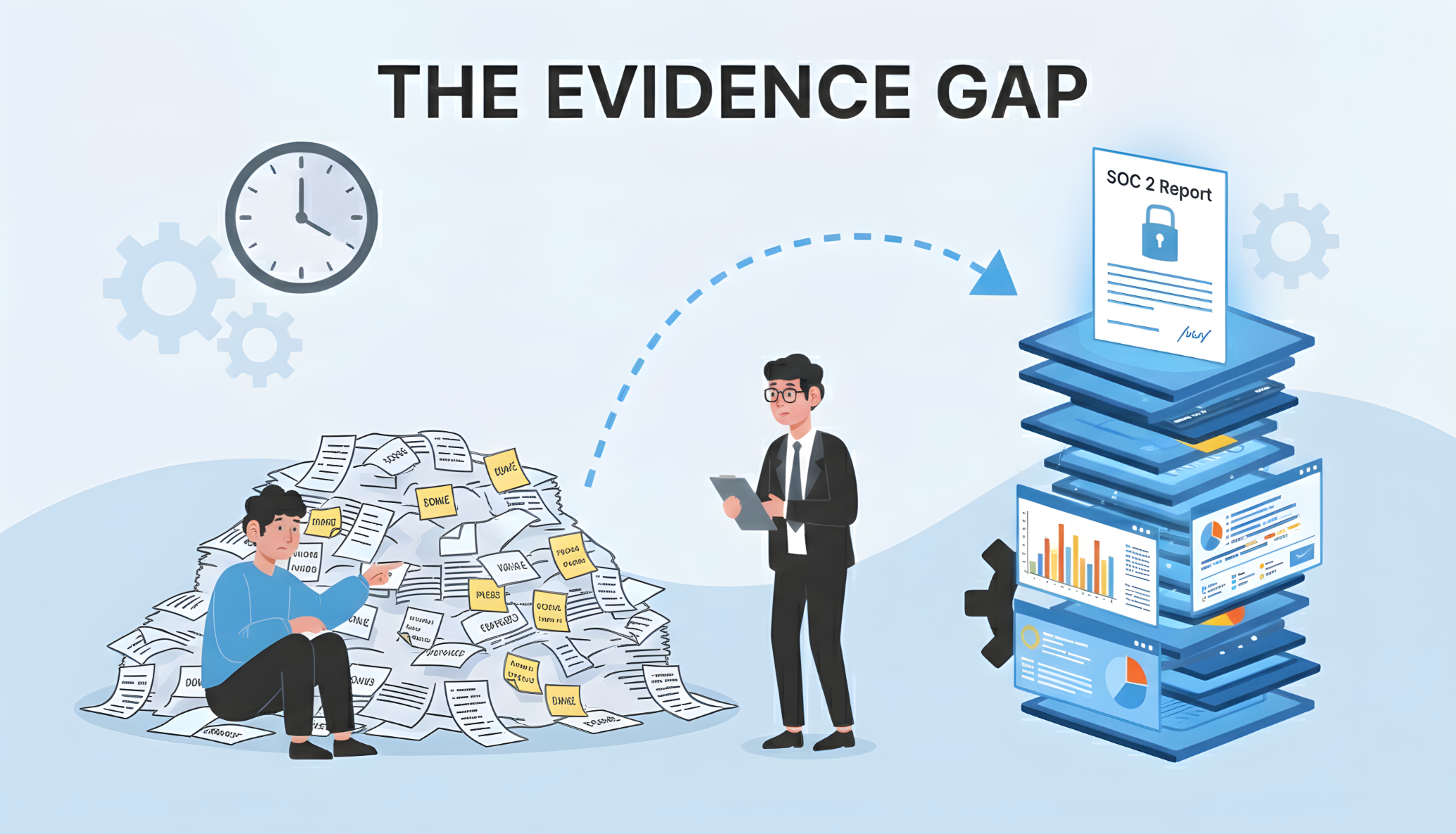
The most common compliance gap has nothing to do with missing controls. It's missing evidence.
What we see often is that technically competent teams...
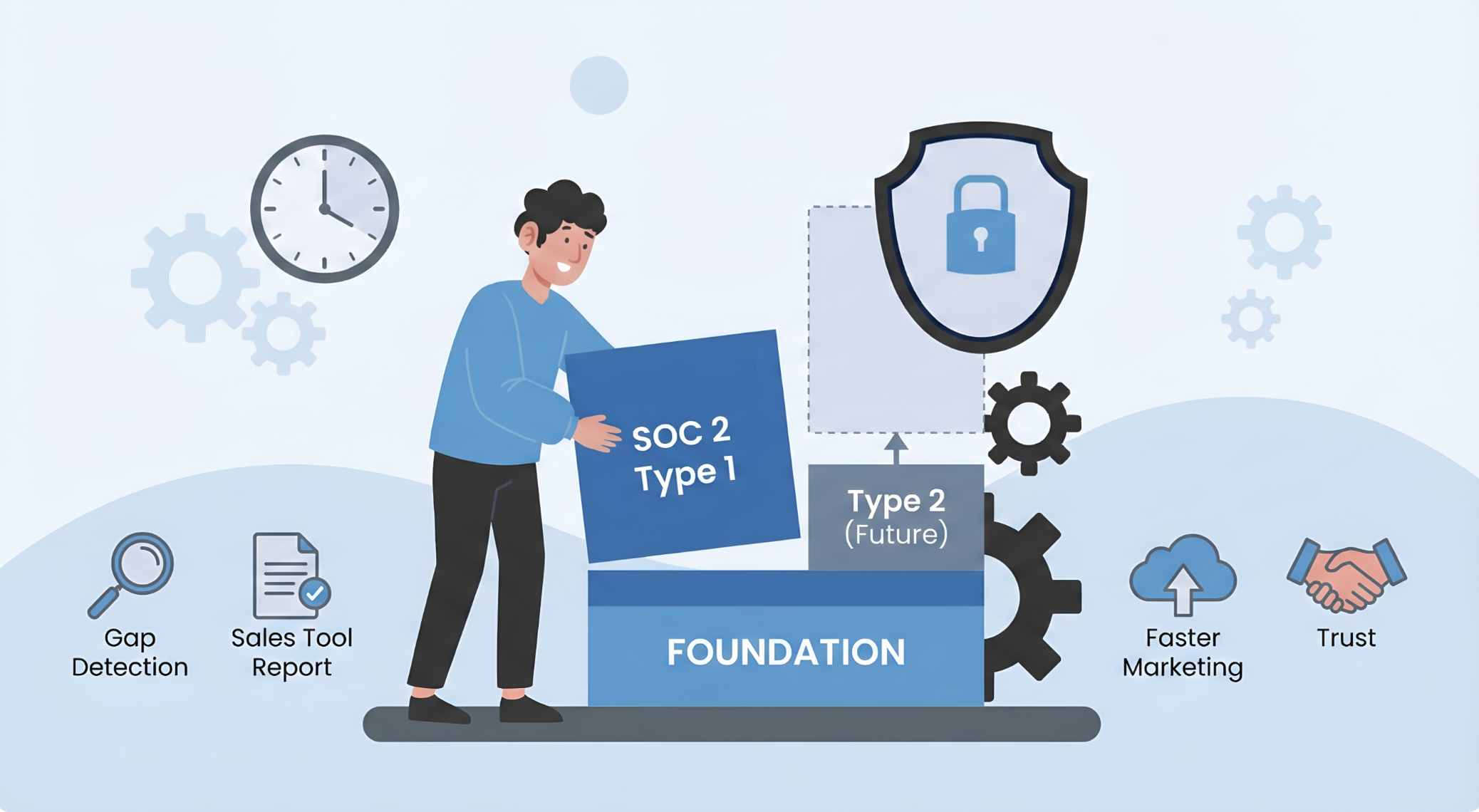
Most companies skip straight to Type 2. It's the *real* SOC 2, right? Type 1 is just not worth it. We used to think that way too. We've changed our...
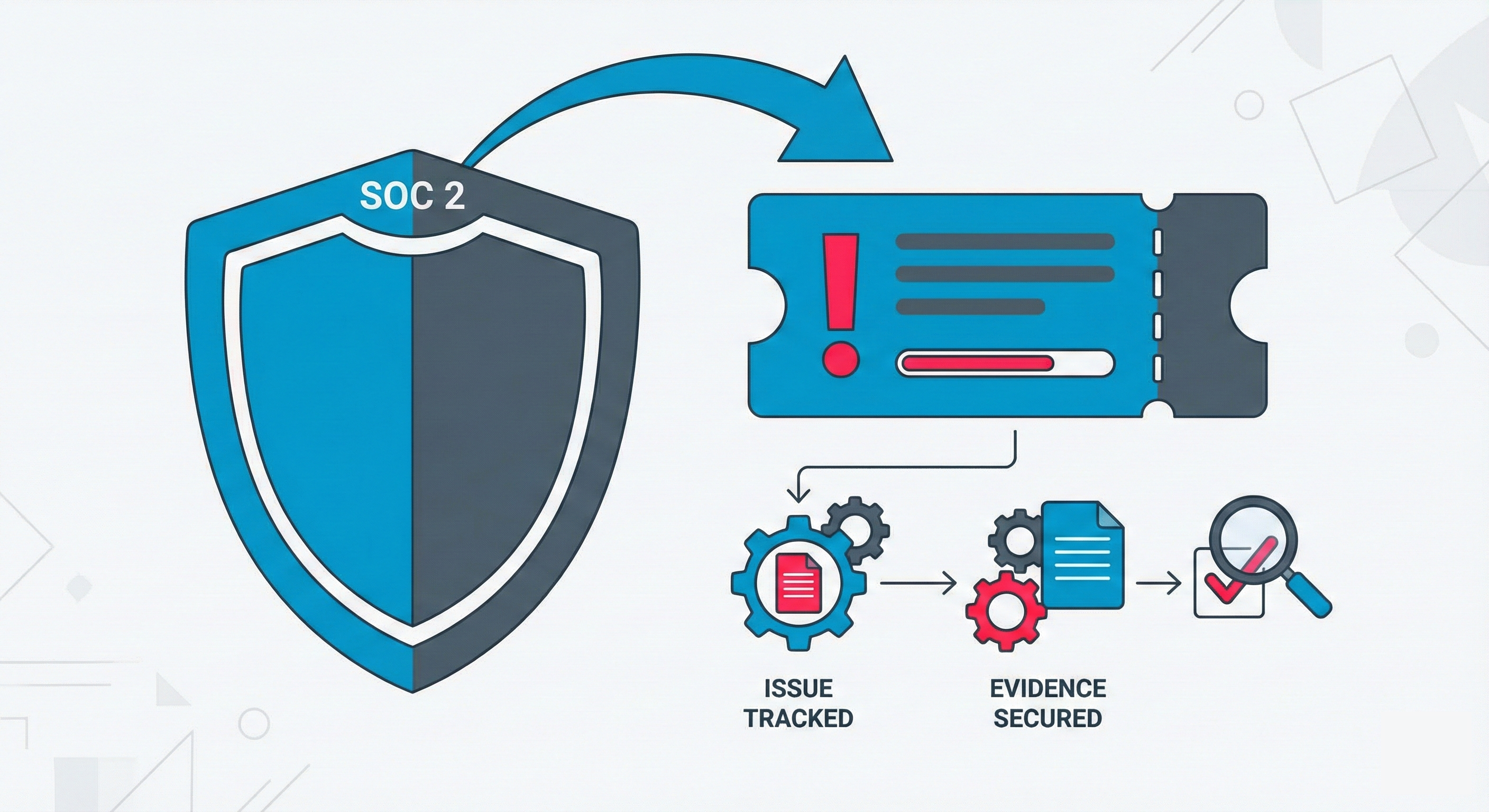
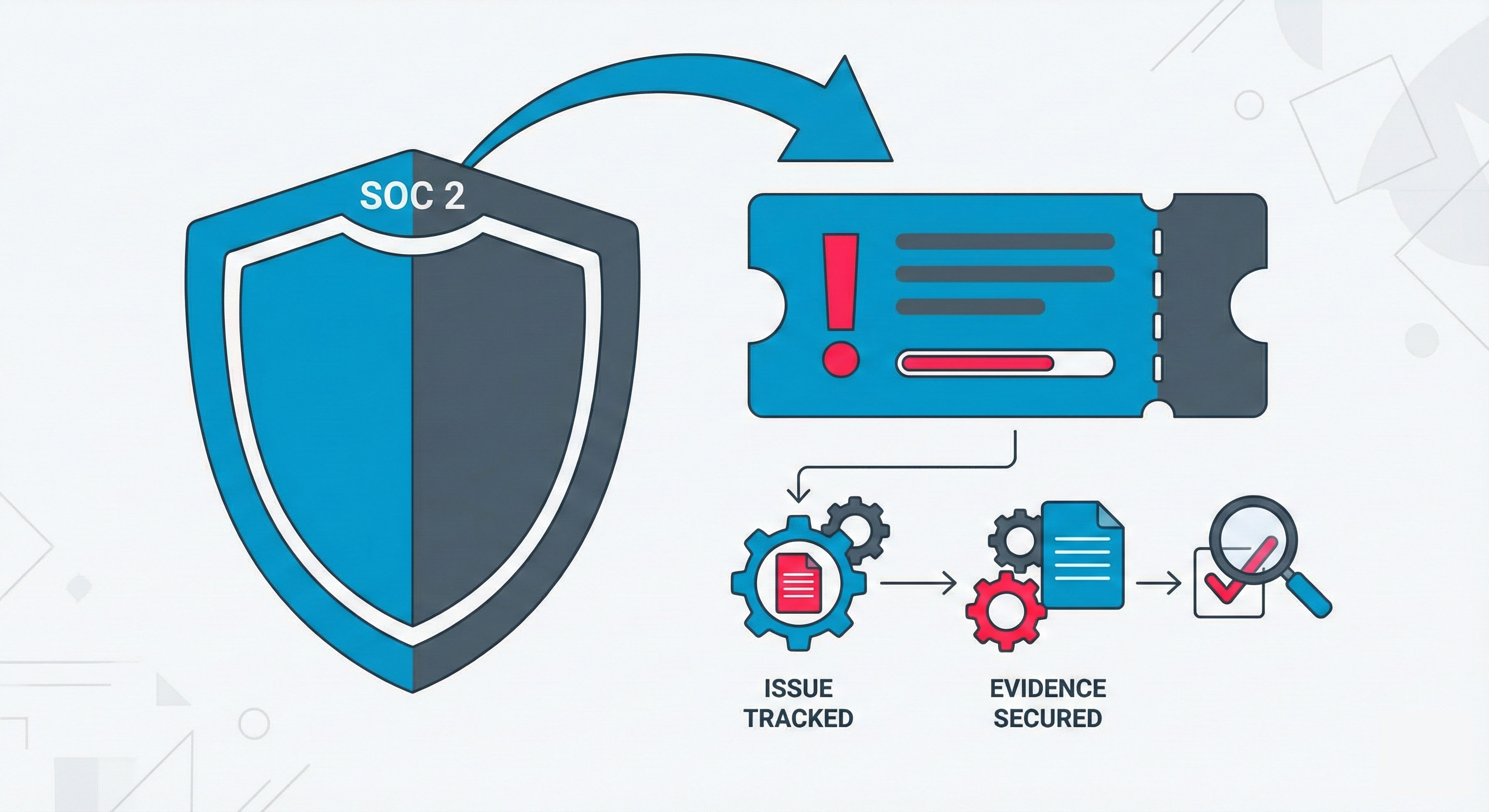
TL;DR: SOC 2 compliance requires a formal, trackable process for all security-relevant activities. Under the Trust Services Criteria, this means...
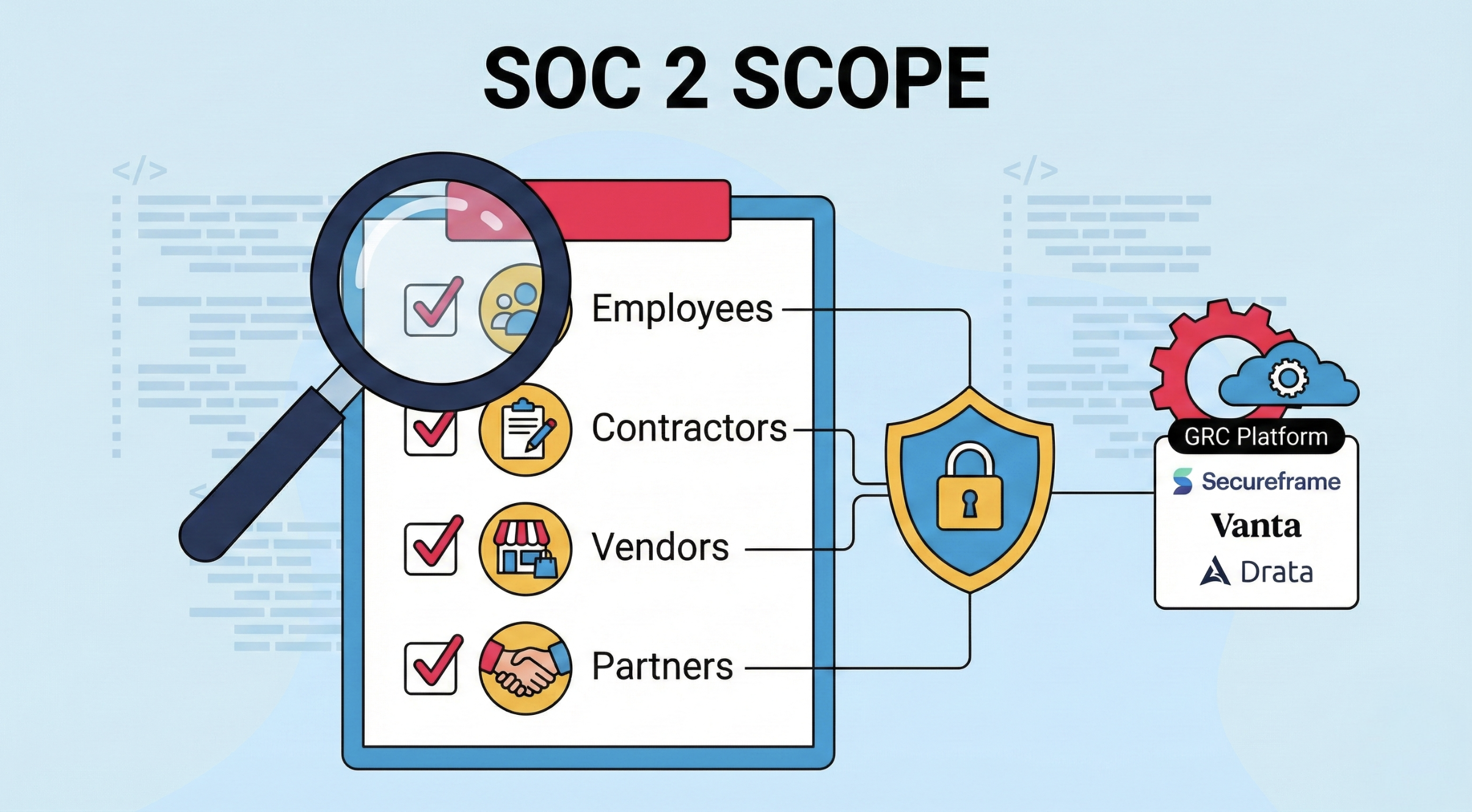
TL;DR: The core question for SOC 2 people scoping: does their role or access affect the system's ability to meet the Trust Services Criteria...
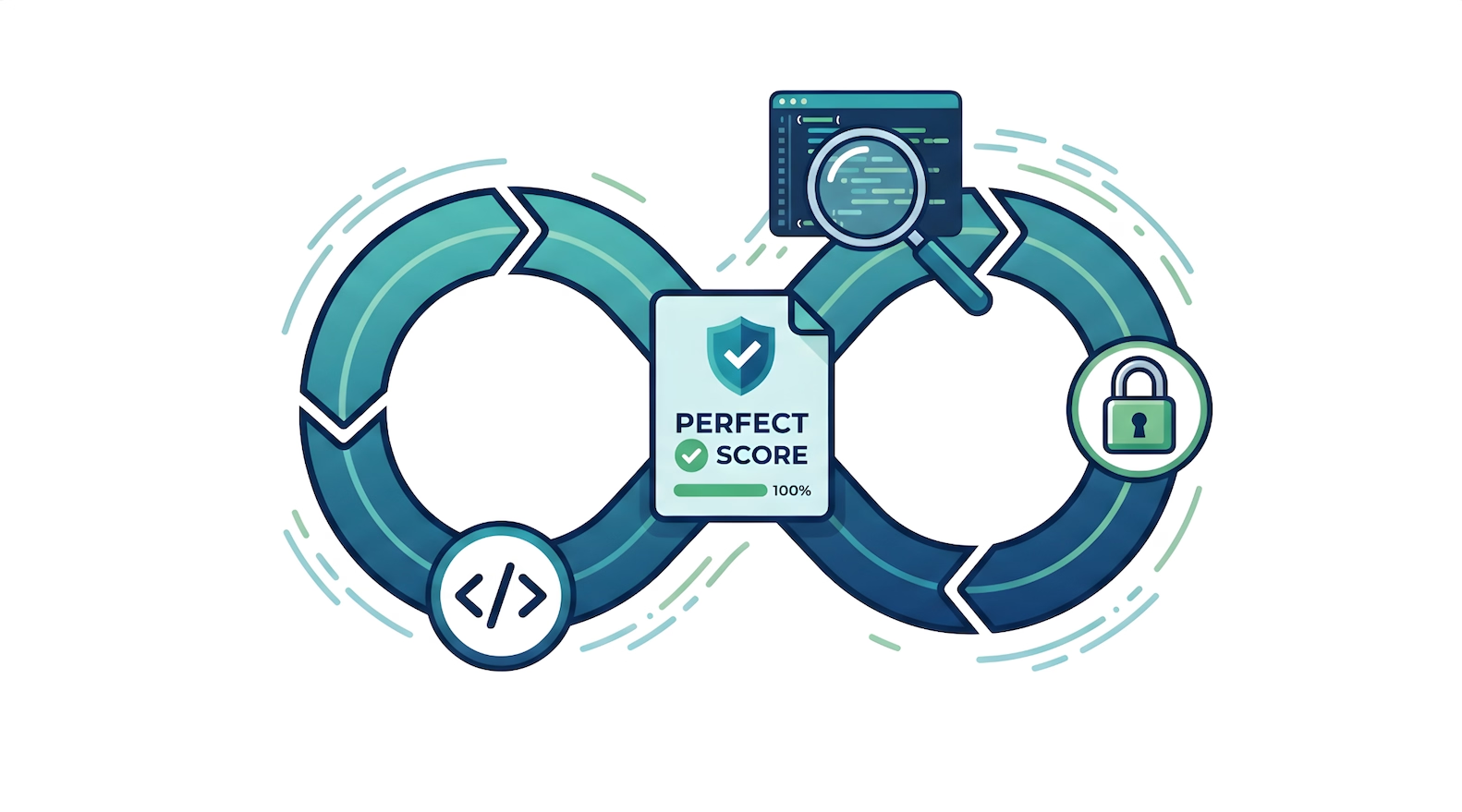
As a CTO, securing your CI/CD pipeline is critical for SOC 2 compliance. This guide shows you how to automate essential security scans, Container...

Supply chain cyber risk has become one of the most pressing cybersecurity challenges for businesses of all sizes. A single compromise in a supplier’s...

TL;DR: Even when SOC 2 is the only compliance requirement on the table, a compliance automation platform (Vanta, Drata, Secureframe, Scrut) pays for...

A 200-question security questionnaire lands in the sales team's inbox on a Thursday...