ISO 27001Privileged Access Management

.svg)

Co-Founder & Principal Consultant, CISSP, CCSP
Former security architect for Bank of Canada and Payments Canada. 20+ years building compliance programs for critical infrastructure. Ali leads Truvo's SOC 2, ISO 27001, and CMMC engagements, bringing enterprise-grade security architecture to growing companies.
Follow on LinkedIn →Filter by Tag
ISO 27001 A.8.2 requires that privileged access rights, the elevated permissions that let a person change configuration, read all data, or bypass...

To satisfy ISO 27001 A.8.32, put every change to production systems, applications, and infrastructure through one documented path: a request, a risk...
ISO 27001 A.8.20 requires that the networks carrying an organization's information are secured, managed, and controlled to protect the systems and...

vCISO services give a mid-market SaaS company senior security leadership on a fractional basis: someone who owns the security program, drives SOC 2...

GRC software and a security review are different. The software is the tool. The review is the work that helps a B2B SaaS deal move forward.GRC...
The right vCISO service for a mid-market SaaS company is the one that owns and runs the security program end to end, on a fractional basis, the way a...

A security architect does three jobs: sets security requirements for systems other people design, assesses and reviews those designs, and solutions...

When an application portfolio is too large to pen-test, an inquiry-based maturity assessment gets you a defensible, board-ready picture in weeks...
Centralizing identity across cloud and on-prem environments is a security architecture problem before it is a tool-selection problem. You start by...
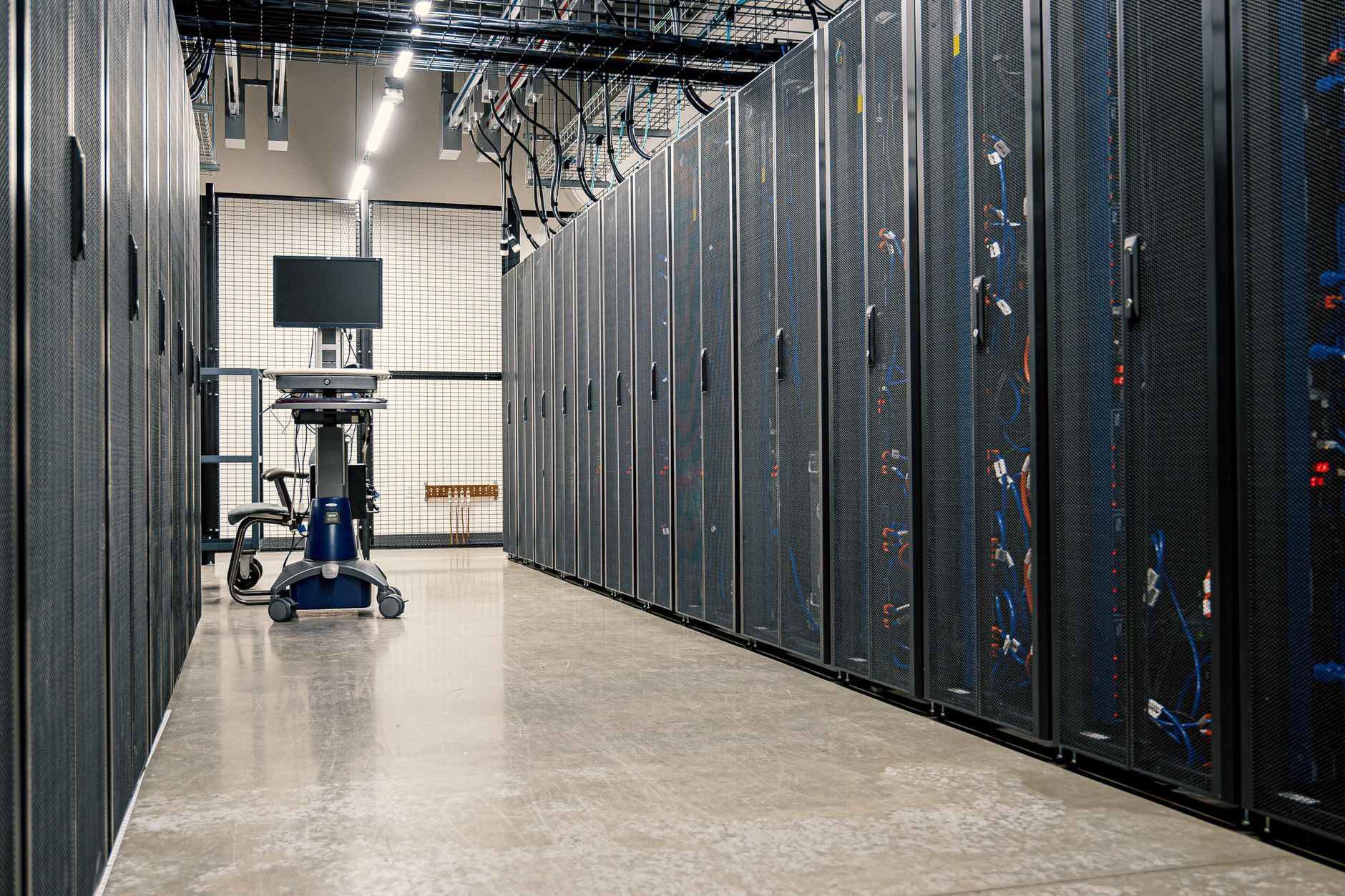
Security architecture is the practice of designing how people, process, and technology work together to protect an organization's systems. It is not...

EDR and MDR sound almost identical, and the two terms often get used interchangeably. The short explanation: EDR is the tool, and MDR is the service...
SOC 2 CC7.5 requires a company to identify, develop, and implement the activities that recover the environment after a security incident, and to...

SOC 2 CC7.4 requires a company to respond to security incidents through a defined incident-response program that understands, contains, remediates,...
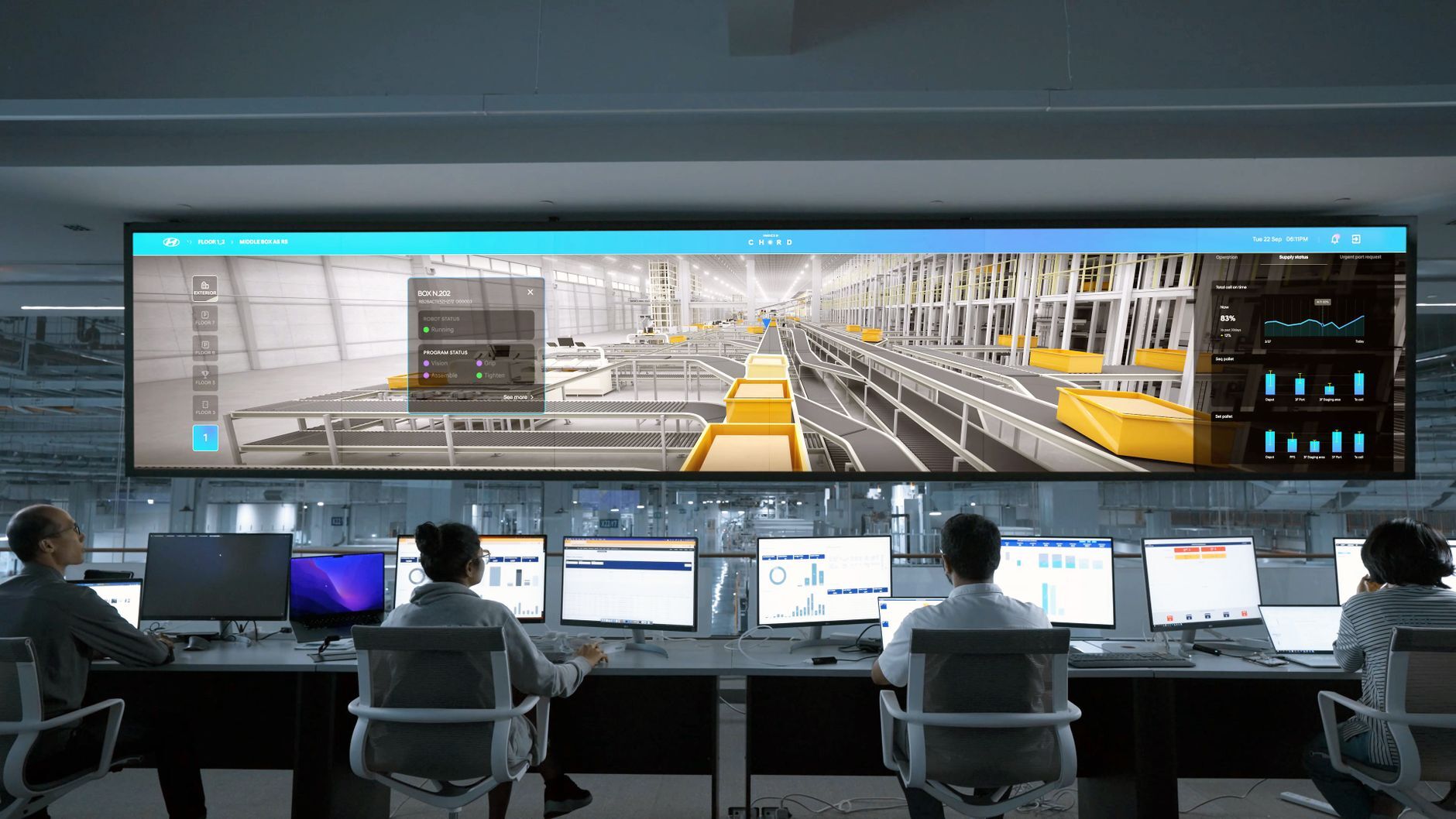
SOC 2 CC7.3 requires a company to evaluate detected security events, decide which of them are incidents, and act on the ones that are. It sits in the...

SOC 2 CC1.2 requires that a board of directors, or the body that plays the board's role, stays independent from management and exercises oversight of...

SOC 2 CC5.2 requires an organization to select and develop general control activities over technology so its systems support the objectives the...

SOC 2 CC2.2 requires an organization to communicate internal control information, including objectives and responsibilities, to the people inside the...

SOC 2 CC1.5 requires an organization to hold individuals accountable for the internal control responsibilities assigned to them. It closes the CC1...
SOC 2 CC6.8 requires controls that prevent, or detect and act on, the introduction of unauthorized or malicious software. It sits in the CC6 series...
SOC 2 CC6.7 requires that information is protected when it is transmitted, moved, or removed, and that only authorized users and processes can do so....
SOC 2 CC6.6 requires logical access security measures that protect the system against threats originating outside its boundaries. It sits in the CC6...
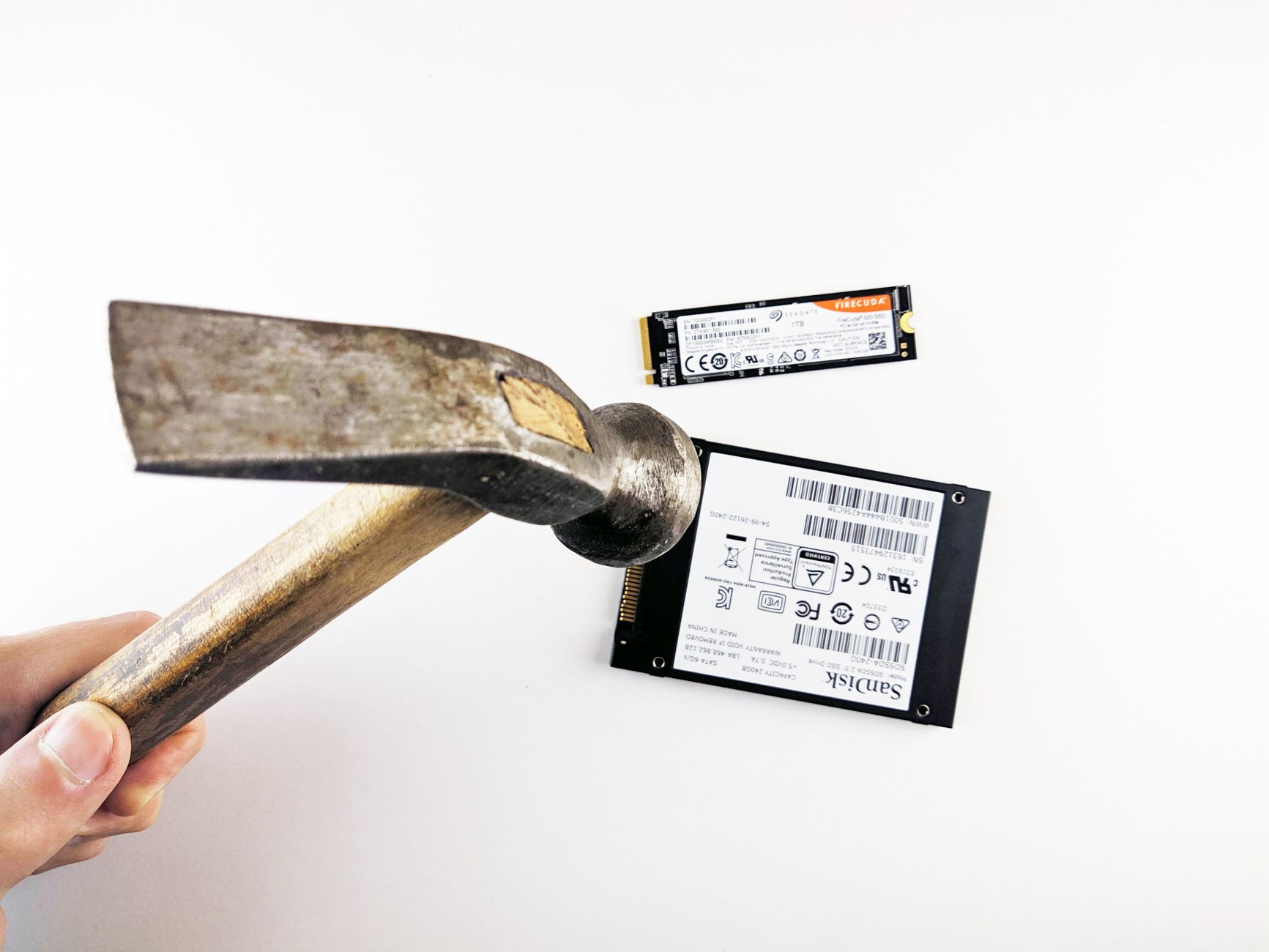
SOC 2 CC6.5 requires that data and software are rendered unrecoverable before an asset loses its protections or leaves the company's control. It sits...

SOC 2 CC3.3 requires an entity to consider the potential for fraud when it assesses risks to its objectives. It sits in the CC3 series (Risk...

SOC 2 CC3.4 requires an entity to identify and assess changes that could significantly affect its system of internal control. It closes the CC3...

SOC 2 CC5.3 requires an organization to deploy its control activities through policies that state what is expected and procedures that put those...
SOC 2 CC5.1 requires an organization to select and develop control activities that reduce its risks to an acceptable level, choosing each control...

SOC 2 CC2.3 requires an organization to communicate with external parties about matters that affect how its internal control operates, and to give...

SOC 2 CC3.1 requires an entity to state its objectives clearly enough that the risks to those objectives can be identified and assessed. It opens the...
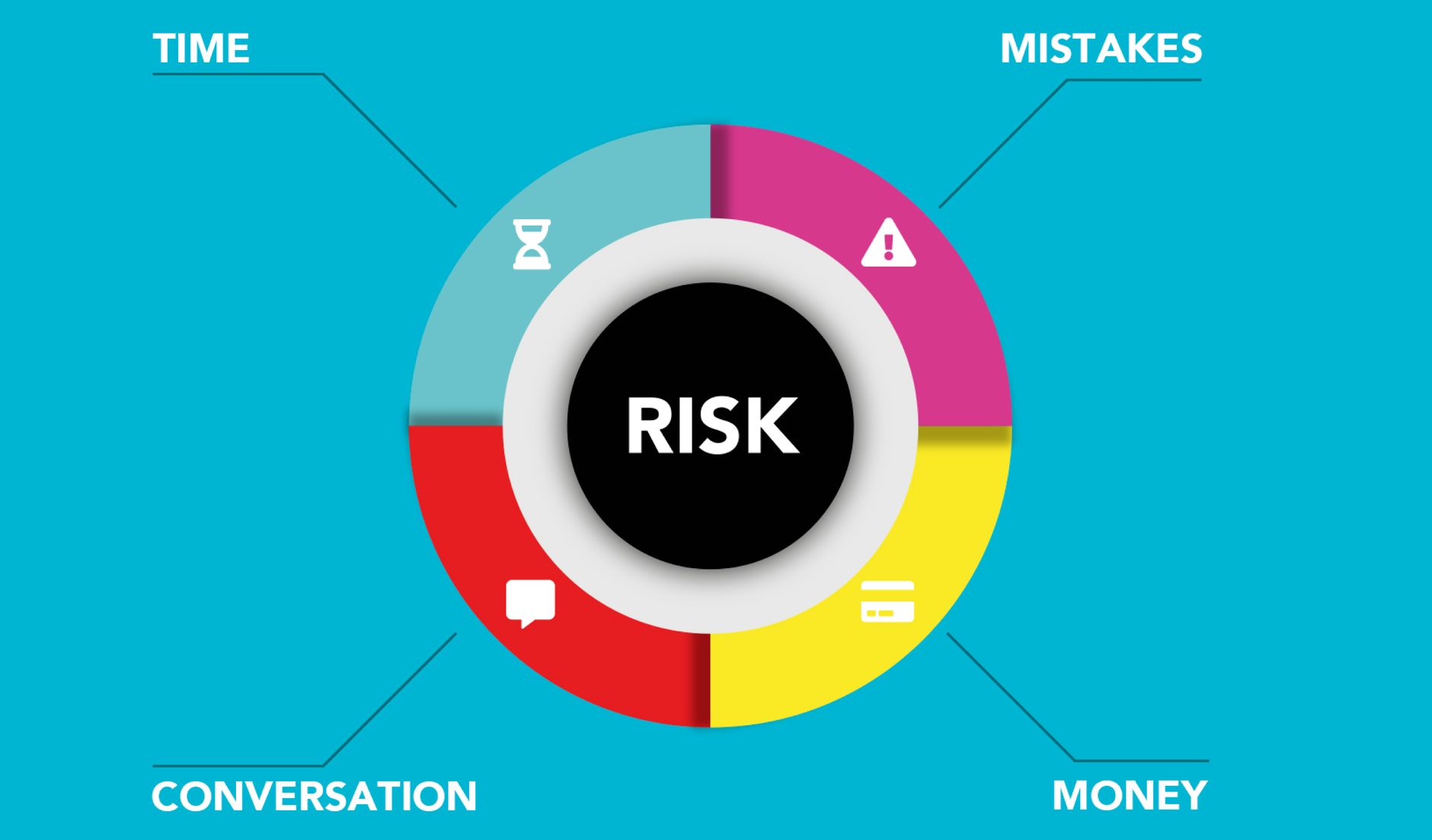
SOC 2 CC3.2 requires an entity to identify risks to its objectives across the whole organization and to analyze them well enough to decide how each...
SOC 2 CC1.4 requires an organization to attract, develop, and retain people who are competent to carry out their responsibilities, and to hold...