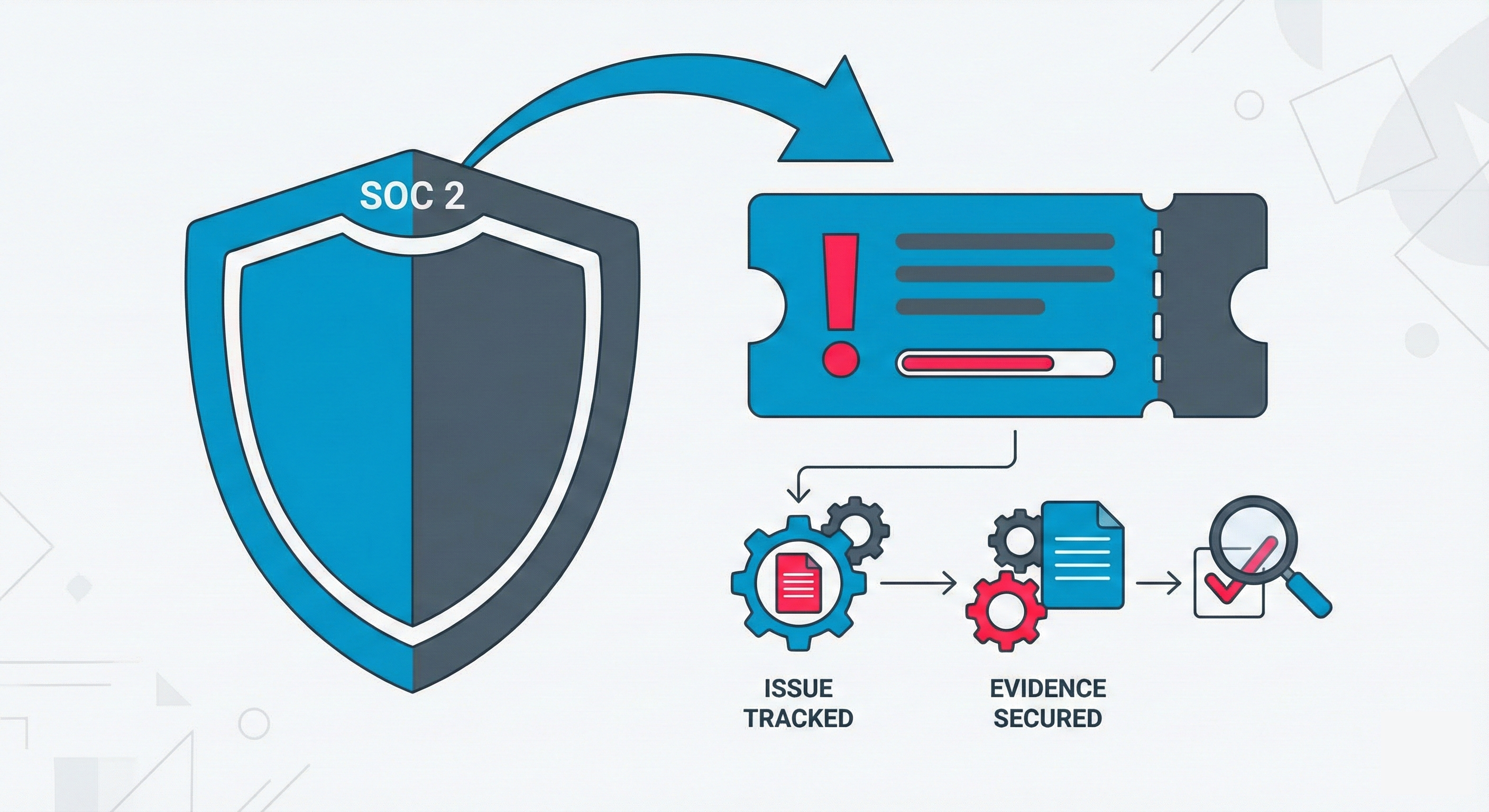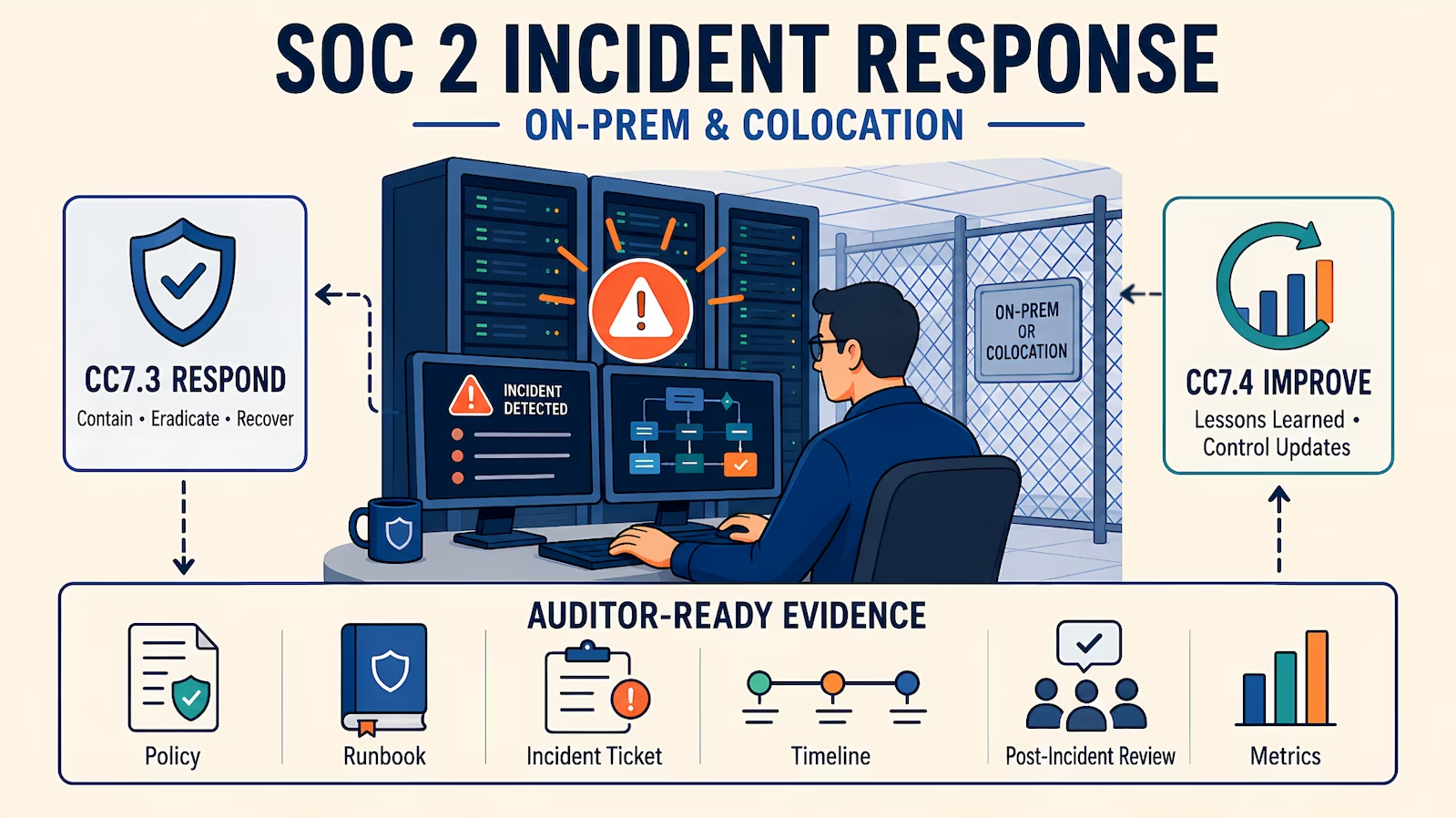
SOC 2IncidentIncident ResponseOn-PremSOC 2 On-Prem

.svg)
TL;DR IR maps to CC7.3 (security event evaluation, the triage discipline) and CC7.4 (defined response program with containment, mitigation, recovery, ...
Filter by Tag
ISO 27001 A.5.7 requires an organization to collect and analyze information about information security threats, turn it into threat intelligence, and...

ISO 27001 A.5.18 requires that access rights to information and systems are provisioned, reviewed, modified, and removed across the whole lifecycle,...

ISO 27001 A.5.17 requires that authentication information, the passwords, keys, tokens, and secrets people and systems use to prove identity, is...
ISO 27001 A.5.16 requires an organization to manage the full life cycle of identities, for both people and non-human accounts, from creation through...

ISO 27001 A.8.3 requires that access to information and application functions is restricted in line with the access control policy, enforced at the...

ISO 27001 A.8.12 requires data leakage prevention measures on the systems, networks, and devices that handle sensitive information, so that data...

ISO 27001 A.8.1 requires that information stored on, processed by, or accessible through user endpoint devices, meaning laptops, desktops, phones,...
ISO 27001 A.8.4 requires that read and write access to source code, development tools, and software libraries is restricted to what a person needs...

To satisfy ISO 27001 A.8.28, apply secure coding principles to how your team writes software: adopt language-specific coding standards, plan security...

To satisfy ISO 27001 A.8.25, write down the rules that govern how your team builds software, then apply them consistently across the whole life...
ISO 27001 A.8.24 requires a policy on the use of cryptography, including key management, applied according to risk rather than encrypting everything...
ISO 27001 A.8.13 requires that backup copies of information, software, and systems are maintained and tested against an agreed backup policy. It is a...

ISO 27001 A.8.7 requires that protection against malware is implemented and backed by appropriate user awareness across every system that runs code....

To satisfy ISO 27001 A.8.9, define a secure configuration baseline for your hardware, software, services, and networks, document every deviation from...
ISO 27001 A.8.8 requires that an organization obtain information about the technical vulnerabilities in the systems it uses, assess its exposure to...
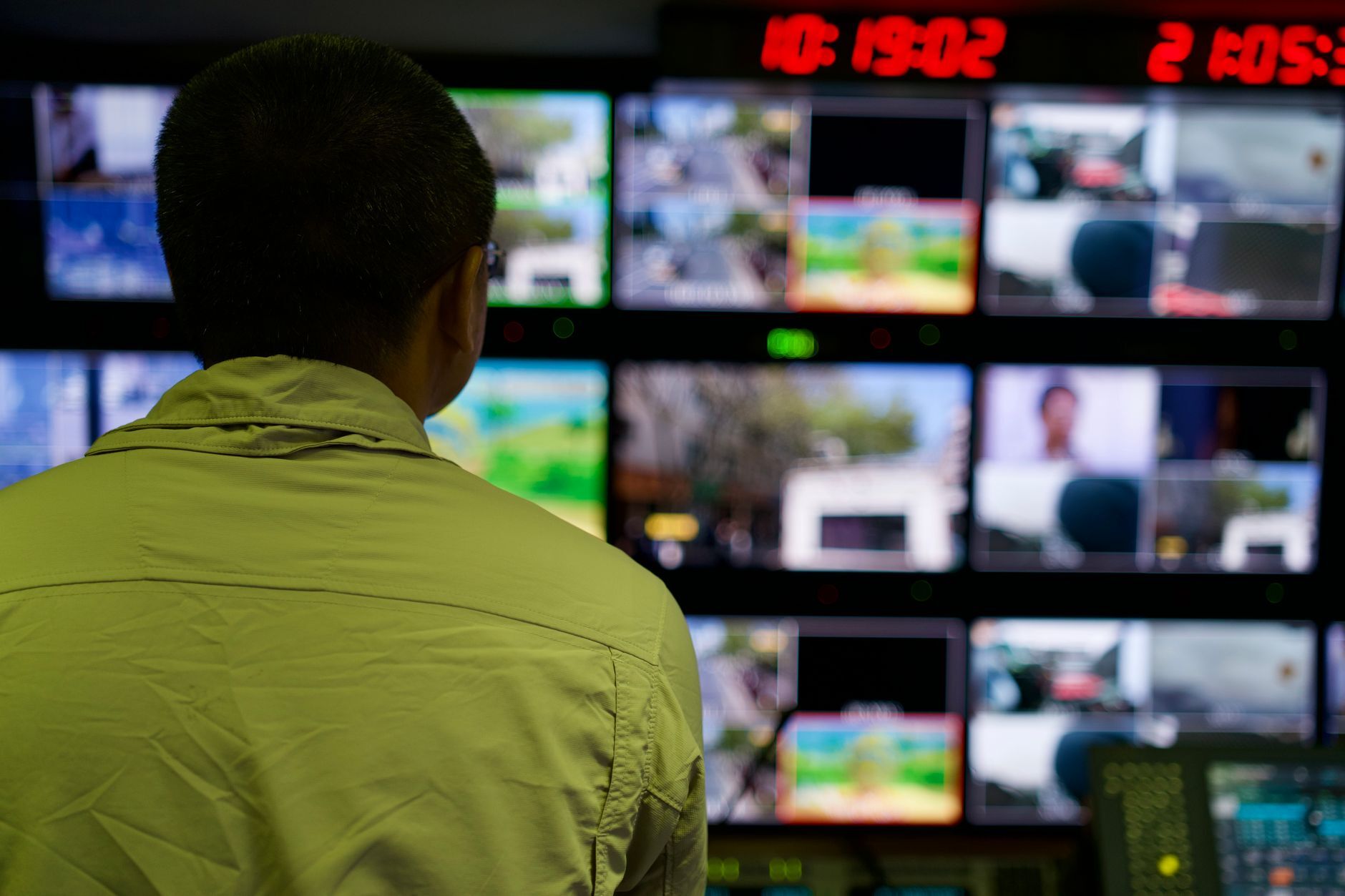
ISO 27001 A.8.16 requires that networks, systems, and applications are monitored for anomalous behavior and that potential security incidents are...
ISO 27001 A.8.15 requires an organization to produce, store, protect, and review logs that record activities, exceptions, faults, and security...

ISO 27001 A.8.5 requires that secure authentication technologies and procedures are implemented based on how sensitive the information and system...

ISO 27001 A.5.15 requires an organization to establish and maintain an access control policy that governs who may reach information and systems,...
ISO 27001 A.5.24 requires an organization to plan and prepare for security incidents before they happen: define the roles, the response process, the...
ISO 27001 A.8.2 requires that privileged access rights, the elevated permissions that let a person change configuration, read all data, or bypass...

To satisfy ISO 27001 A.8.32, put every change to production systems, applications, and infrastructure through one documented path: a request, a risk...
ISO 27001 A.8.20 requires that the networks carrying an organization's information are secured, managed, and controlled to protect the systems and...

vCISO services give a mid-market SaaS company senior security leadership on a fractional basis: someone who owns the security program, drives SOC 2...
It helps to be clear about the difference between GRC software and the security review itself. The software is a tool. The security review is the...
The vCISO market has a labeling problem. Search vCISO services and the results mix three different businesses under one term: compliance automation...

A security architect does three jobs: sets security requirements for systems other people design, assesses and reviews those designs, and solutions...

When an application portfolio is too large to pen-test, an inquiry-based maturity assessment gets you a defensible, board-ready picture in weeks...
Centralizing identity across cloud and on-prem environments is a security architecture problem before it is a tool-selection problem. You start by...
Security architecture is the practice of designing how people, process, and technology work together to protect an organization's systems. It is not...
EDR and MDR sound almost identical, and the two terms often get used interchangeably. The short explanation: EDR is the tool, and MDR is the service...
SOC 2 CC7.5 requires a company to identify, develop, and implement the activities that recover the environment after a security incident, and to...

SOC 2 CC7.4 requires a company to respond to security incidents through a defined incident-response program that understands, contains, remediates,...
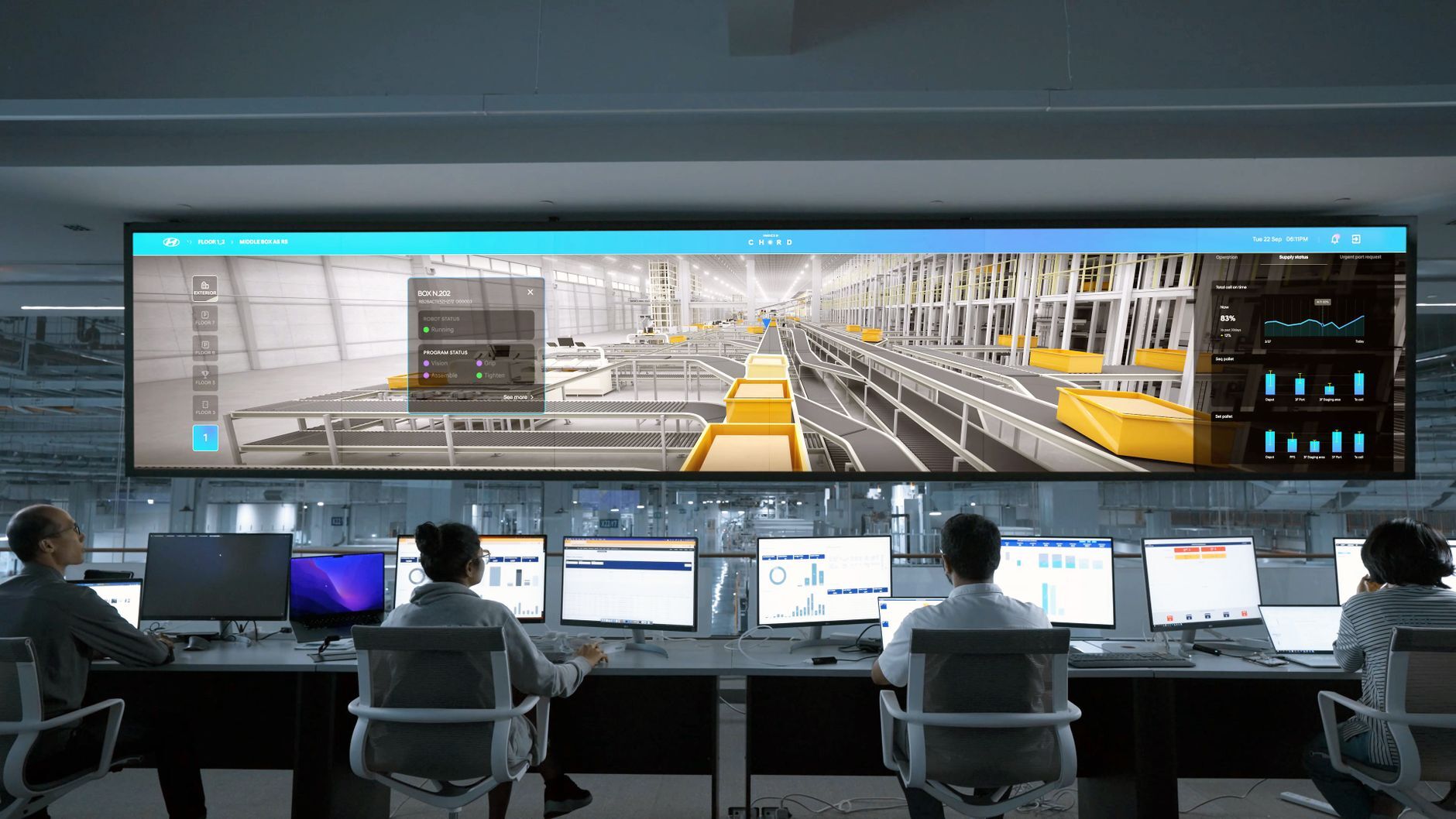
SOC 2 CC7.3 requires a company to evaluate detected security events, decide which of them are incidents, and act on the ones that are. It sits in the...

SOC 2 CC1.2 requires that a board of directors, or the body that plays the board's role, stays independent from management and exercises oversight of...
SOC 2 CC5.2 requires an organization to select and develop general control activities over technology so its systems support the objectives the...

SOC 2 CC2.2 requires an organization to communicate internal control information, including objectives and responsibilities, to the people inside the...

SOC 2 CC1.5 requires an organization to hold individuals accountable for the internal control responsibilities assigned to them. It closes the CC1...
SOC 2 CC6.8 requires controls that prevent, or detect and act on, the introduction of unauthorized or malicious software. It sits in the CC6 series...
SOC 2 CC6.7 requires that information is protected when it is transmitted, moved, or removed, and that only authorized users and processes can do so....
SOC 2 CC6.6 requires logical access security measures that protect the system against threats originating outside its boundaries. It sits in the CC6...
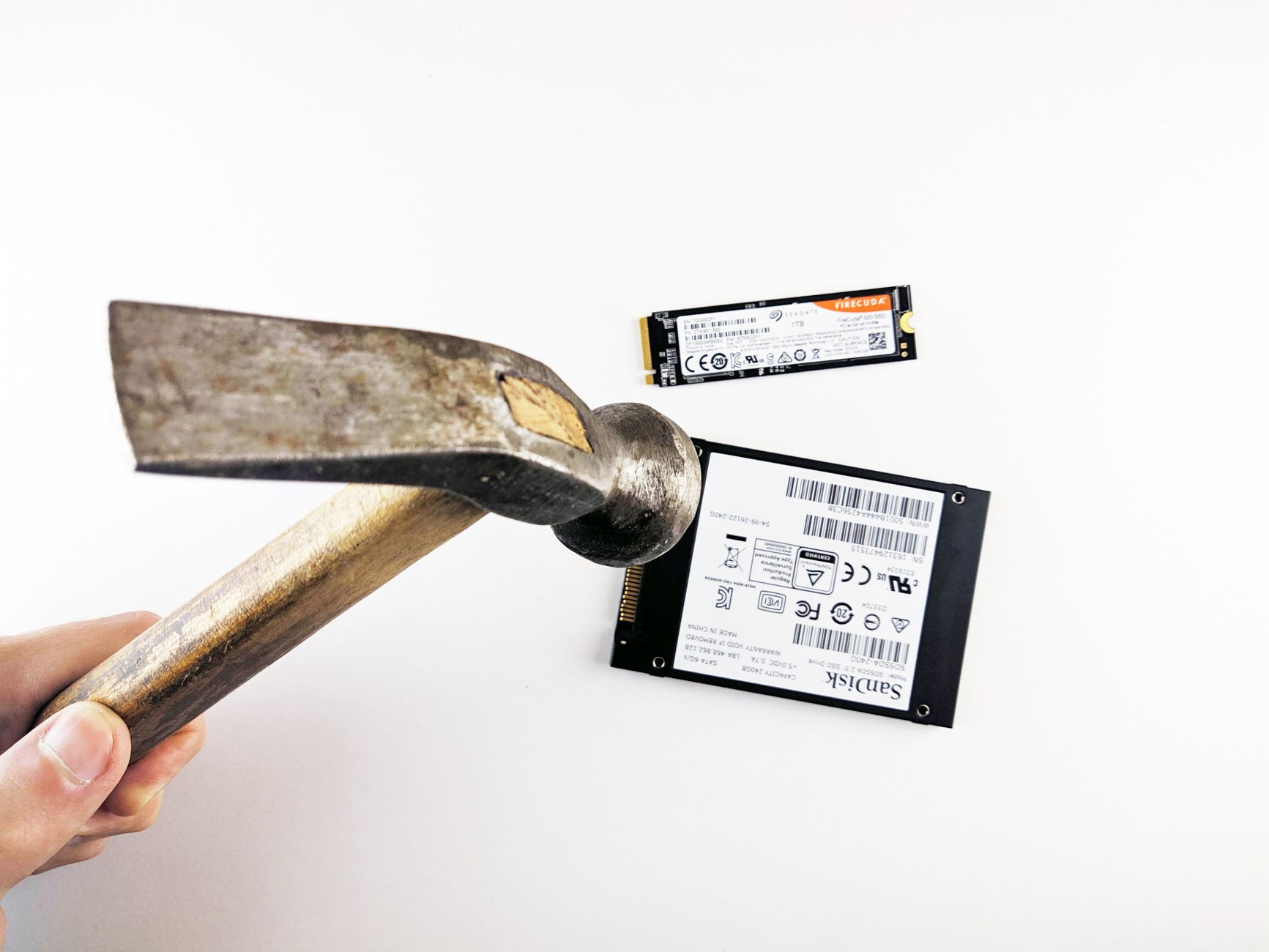
SOC 2 CC6.5 requires that data and software are rendered unrecoverable before an asset loses its protections or leaves the company's control. It sits...

SOC 2 CC3.3 requires an entity to consider the potential for fraud when it assesses risks to its objectives. It sits in the CC3 series (Risk...

SOC 2 CC3.4 requires an entity to identify and assess changes that could significantly affect its system of internal control. It closes the CC3...

SOC 2 CC5.3 requires an organization to deploy its control activities through policies that state what is expected and procedures that put those...
SOC 2 CC5.1 requires an organization to select and develop control activities that reduce its risks to an acceptable level, choosing each control...

SOC 2 CC2.3 requires an organization to communicate with external parties about matters that affect how its internal control operates, and to give...

SOC 2 CC3.1 requires an entity to state its objectives clearly enough that the risks to those objectives can be identified and assessed. It opens the...
SOC 2 CC3.2 requires an entity to identify risks to its objectives across the whole organization and to analyze them well enough to decide how each...

SOC 2 CC1.4 requires an organization to attract, develop, and retain people who are competent to carry out their responsibilities, and to hold...
SOC 2 CC2.1 requires an organization to obtain or generate and use relevant, quality information so that its internal controls can function. It opens...

SOC 2 CC1.3 requires management, with board oversight, to set up the organizational structures, reporting lines, and authorities the business needs...

SOC 2 CC1.1 requires an organization to demonstrate a commitment to integrity and ethical values, starting with how the board and management behave...
SOC 2 CC4.2 requires an organization to evaluate the deficiencies its monitoring turns up and communicate them, in a timely way, to the people who...

SOC 2 CC4.1 requires an organization to select, develop, and run a mix of ongoing and separate evaluations to confirm its internal controls are...

SOC 2 CC6.4 requires that physical access to facilities and protected information assets is restricted to authorized personnel. It sits in the CC6...
SOC 2 CC9.2 is the vendor and business partner risk criterion: it requires an organization to assess and manage the risks that come from the third...
SOC 2 CC9.1 is the risk mitigation criterion for business disruptions: it requires an organization to identify, select, and develop activities that...
SOC 2 CC7.2 is the security monitoring criterion in the Trust Services Criteria: it requires an organization to monitor its systems for anomalies and...
SOC 2 CC7.1 is where the vulnerability management program lives inside the Trust Services Criteria: it requires an organization to detect...
SOC 2 CC6.3 is where role design meets audit evidence: it requires that access to protected information assets is authorized, modified, or removed...
SOC 2 CC6.2 is the credential lifecycle criterion in the Trust Services Criteria: it requires an organization to register and authorize new users...

SOC 2 CC8.1 is the change management criterion: the single criterion in the CC8 series, covering how changes to infrastructure, data, software, and...

GRC in cyber security stands for governance, risk, and compliance: the discipline of directing a security program (governance), identifying and...

A vendor risk assessment is the structured evaluation of a vendor's security and compliance posture, scaled to the access and data that vendor holds....
Security architecture is the practice of understanding a system component by component and connection by connection, then securing both how it is...
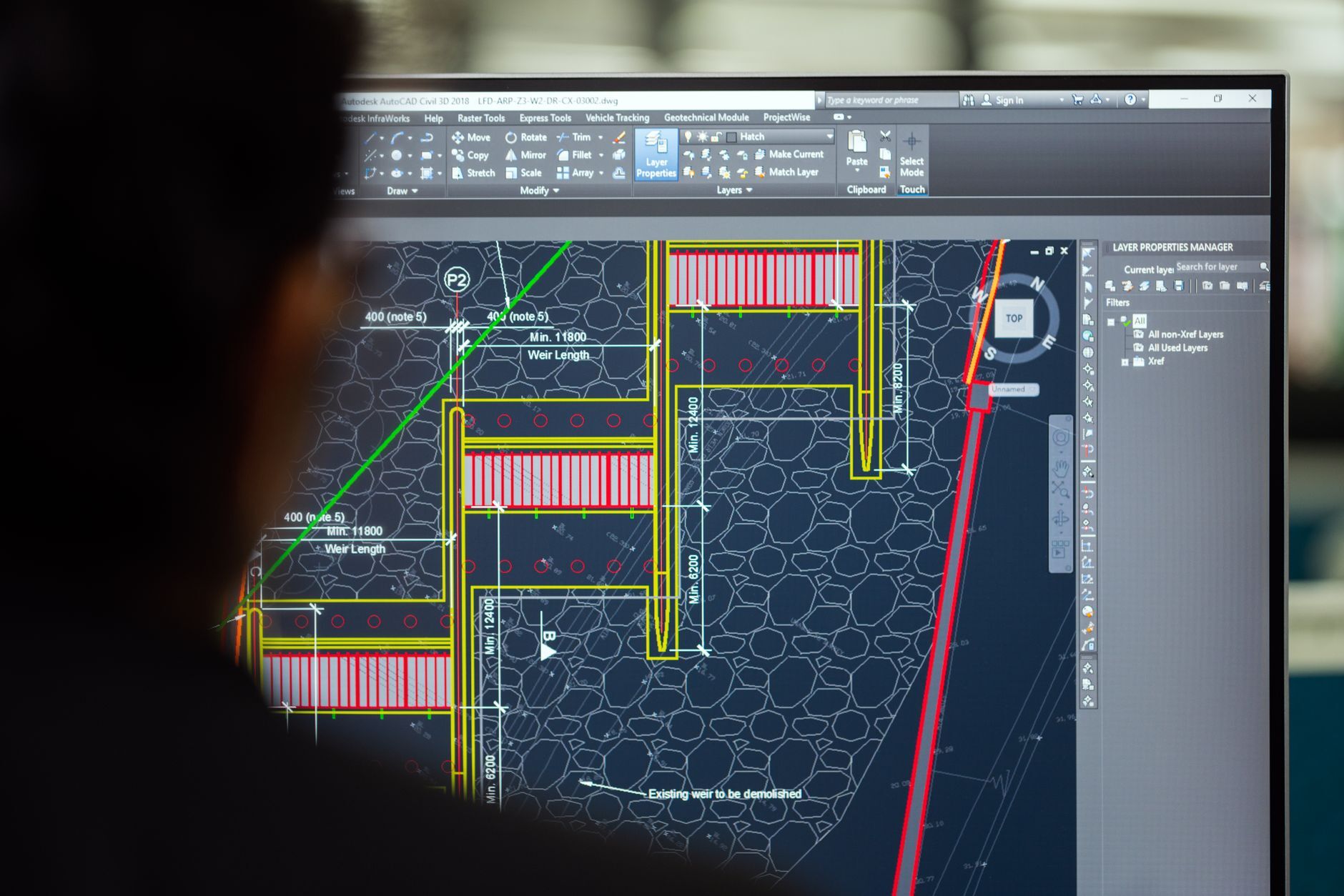
A security architecture diagram is a boxes-and-arrows drawing of a system: boxes for the key components, arrows for the data flows or network flows...

Advice on security architecture and design should come from someone with a deep understanding of cybersecurity practice: ideally ten or more years in...

A security architecture review is a structured walk through a system's components and connections, checking each against security best practices and...
A SOC 1 report covers the controls at a service organization that are relevant to its customers' financial reporting, known as internal control over...

A SOC report (System and Organization Controls report) is an independent auditor's attestation report on a service organization's controls, issued by...
Third party risk management (TPRM) is the discipline of identifying, assessing, and controlling the risks that come from the external organizations a...
A vulnerability scan is an automated check that compares systems, software, and configurations against a database of known security weaknesses and...
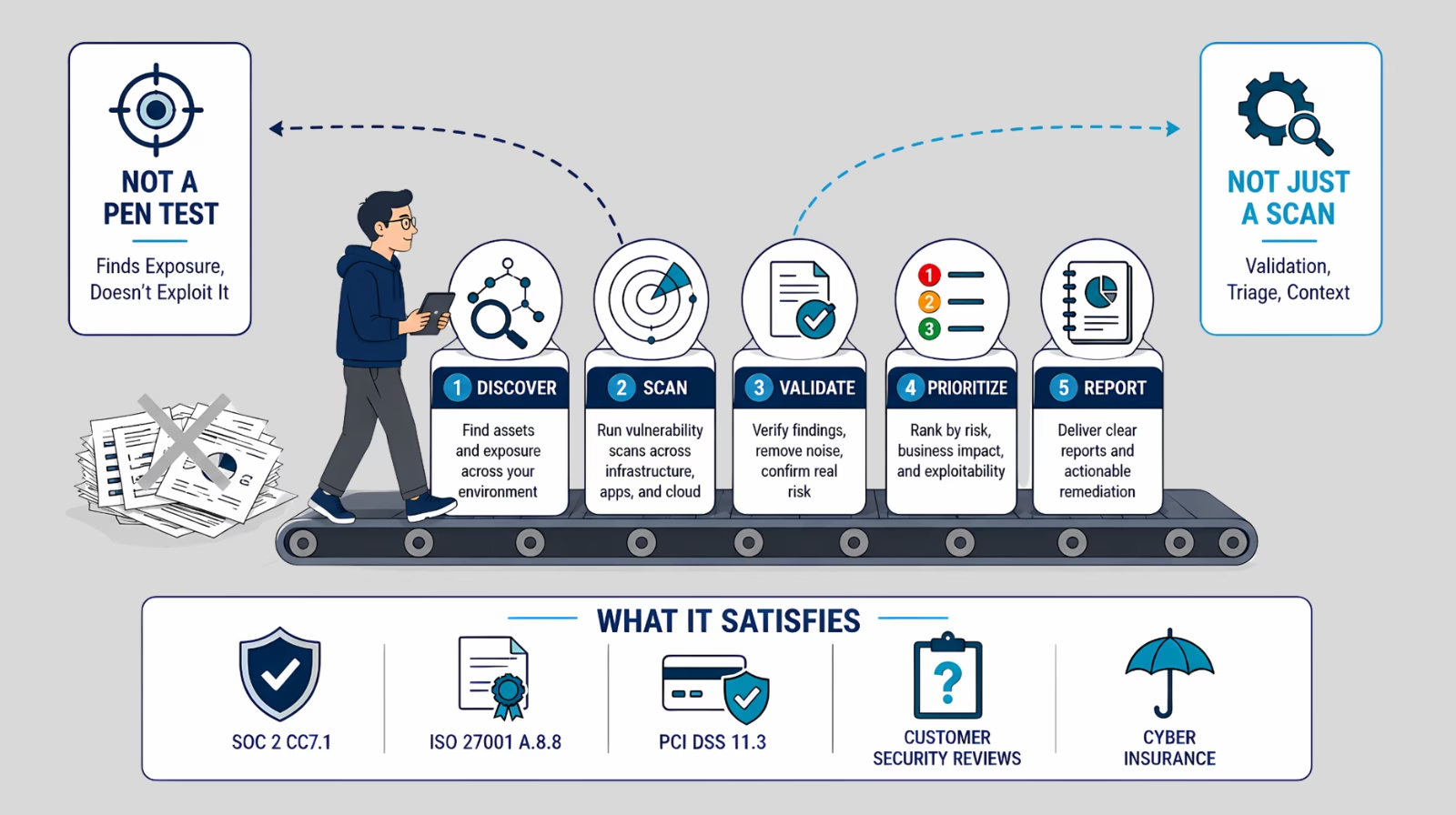
Vulnerability assessment services are engagements where a third party inventories an environment, scans it for known security weaknesses, validates...
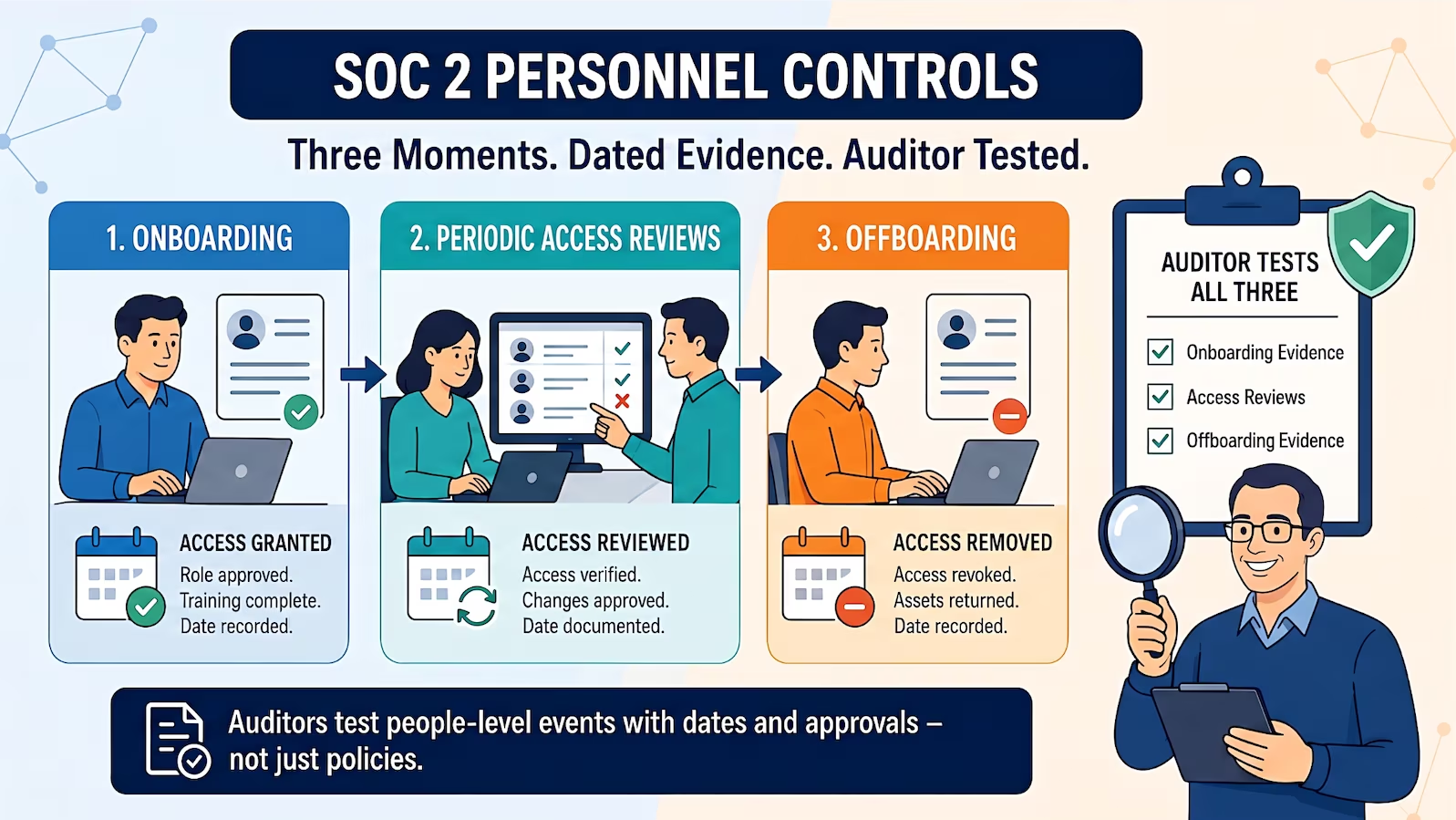
SOC 2 personnel controls come down to three moments: onboarding on day one, the periodic user access review that confirms access still matches the...
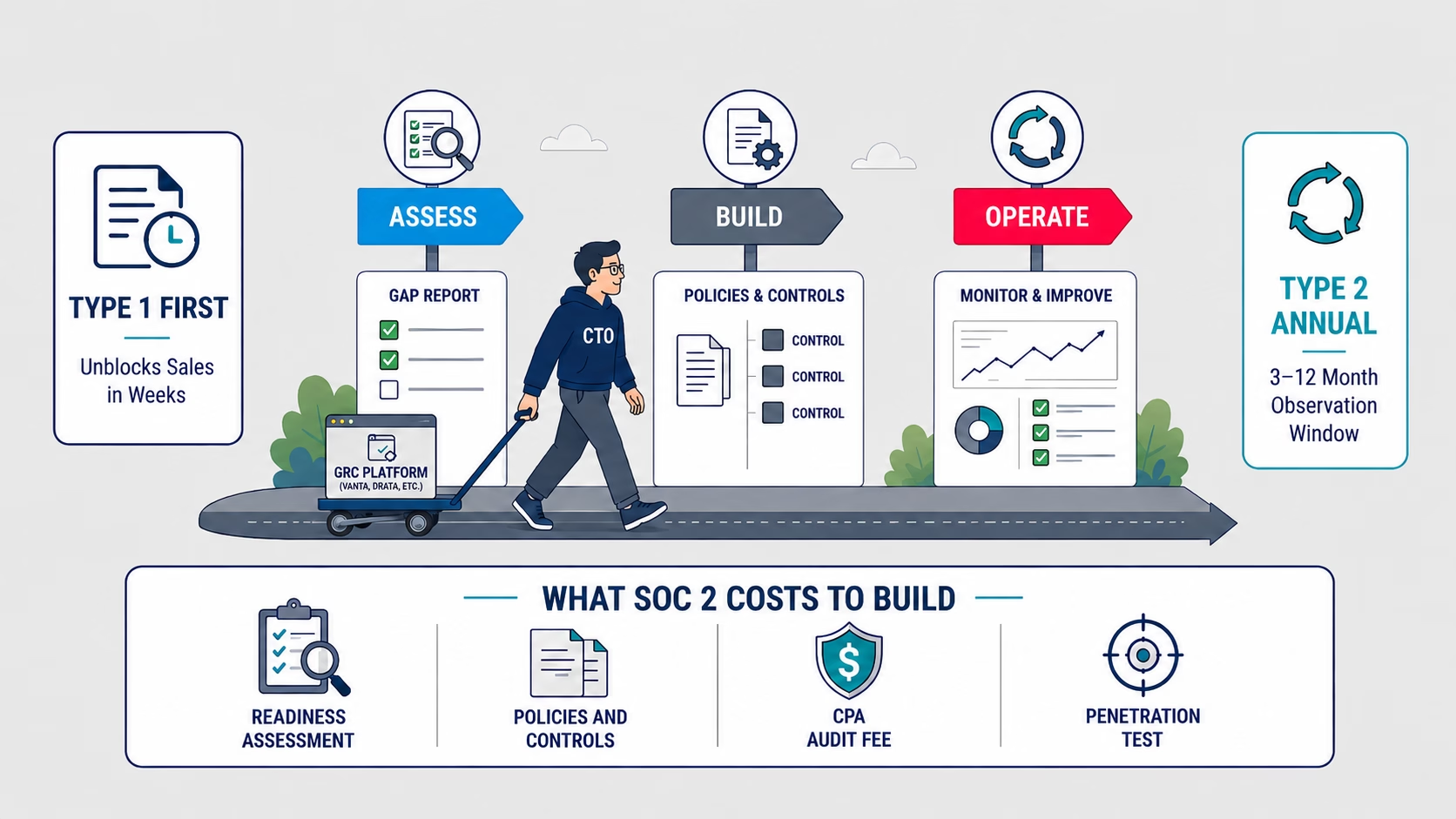
TL;DR: SOC 2 compliance for a B2B SaaS company is a sales requirement before it is a security exercise: enterprise buyers use the report to clear...
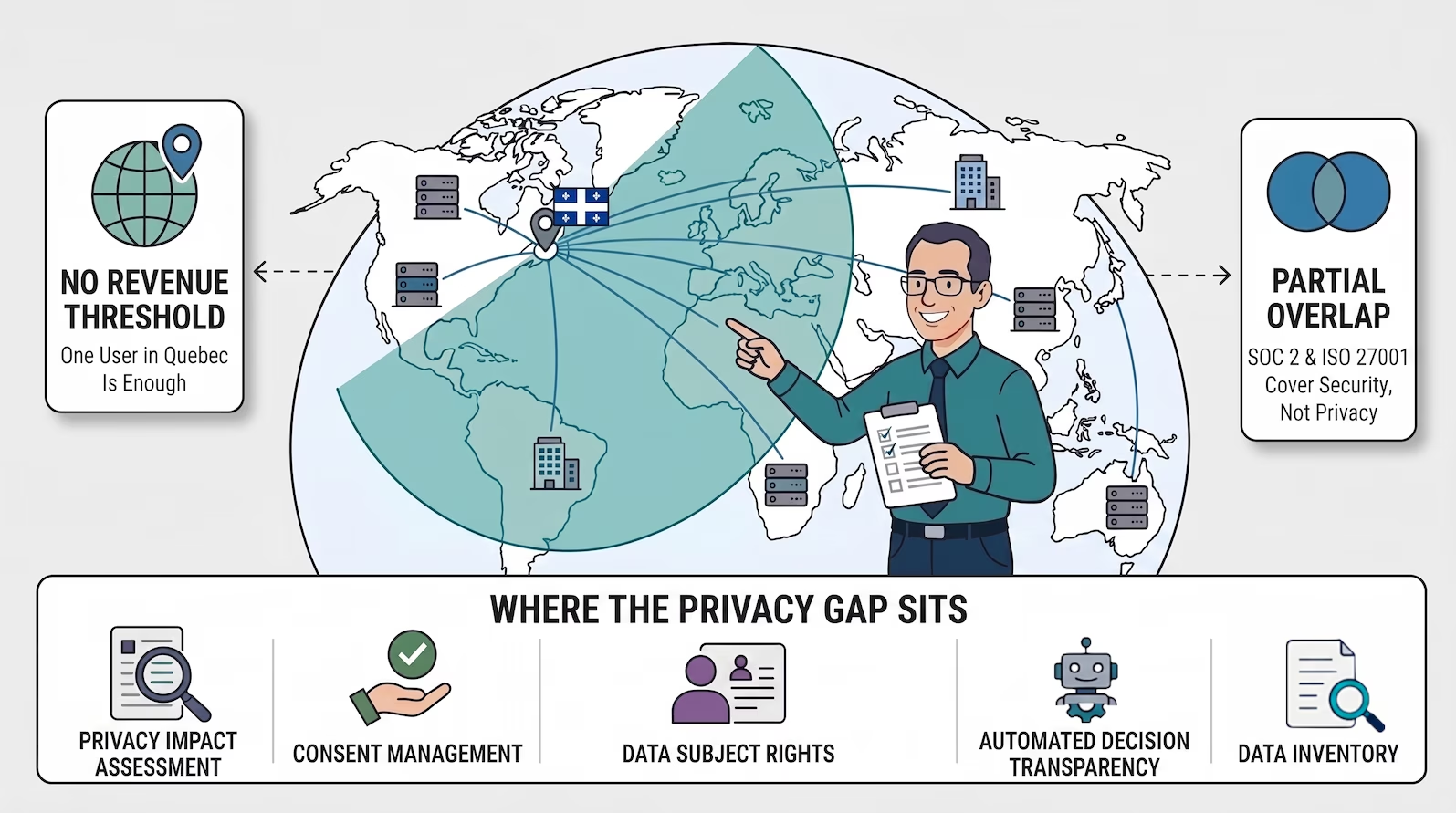
Quebec Law 25 is the province's modernized private-sector privacy law: a set of amendments (adopted in 2021 as Bill 64) to the Act respecting the...
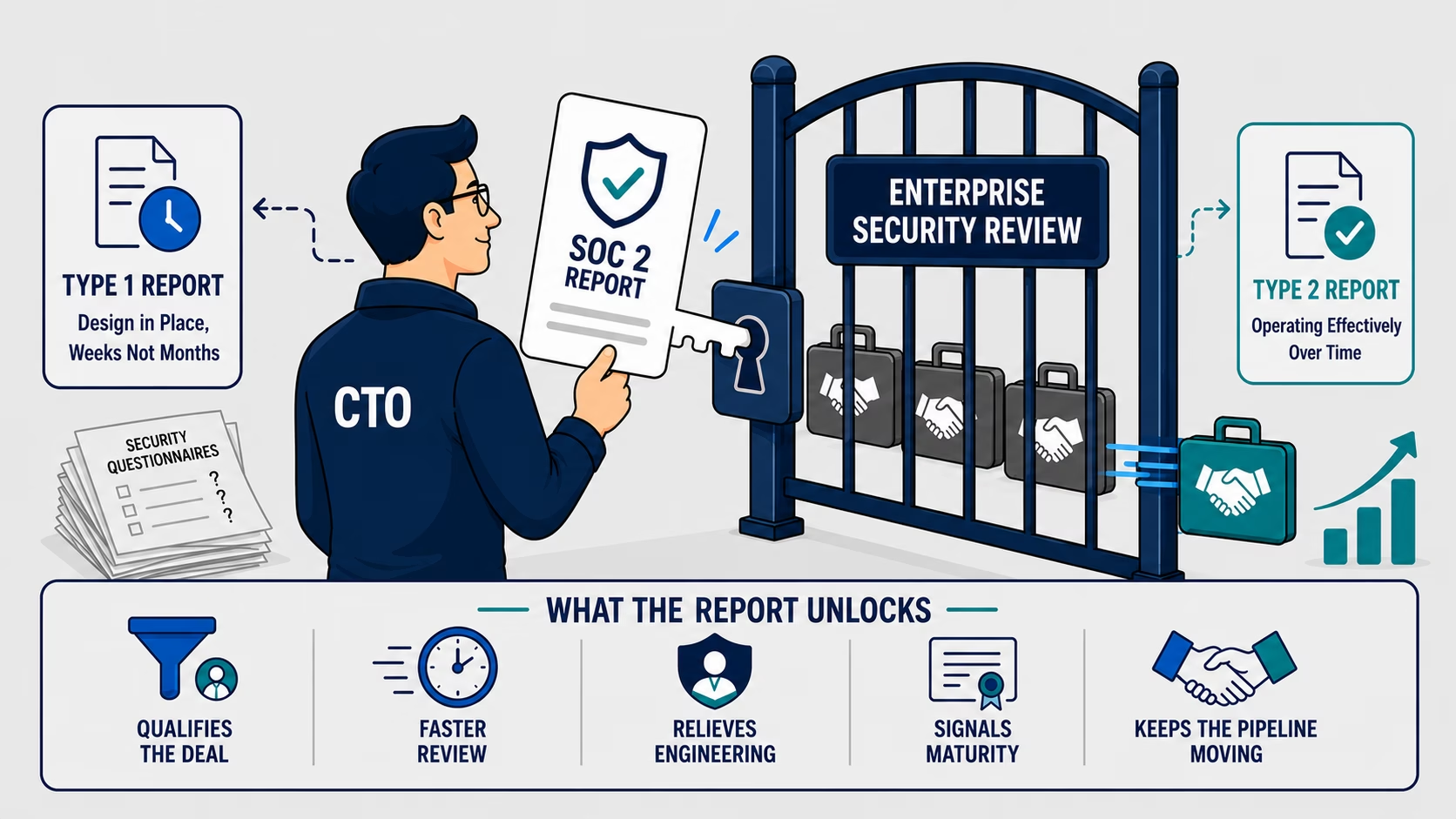
Enterprise buyers treat a SOC 2 report as the price of admission for SaaS vendors that touch their data or systems. For a CTO, that turns SOC 2 from...
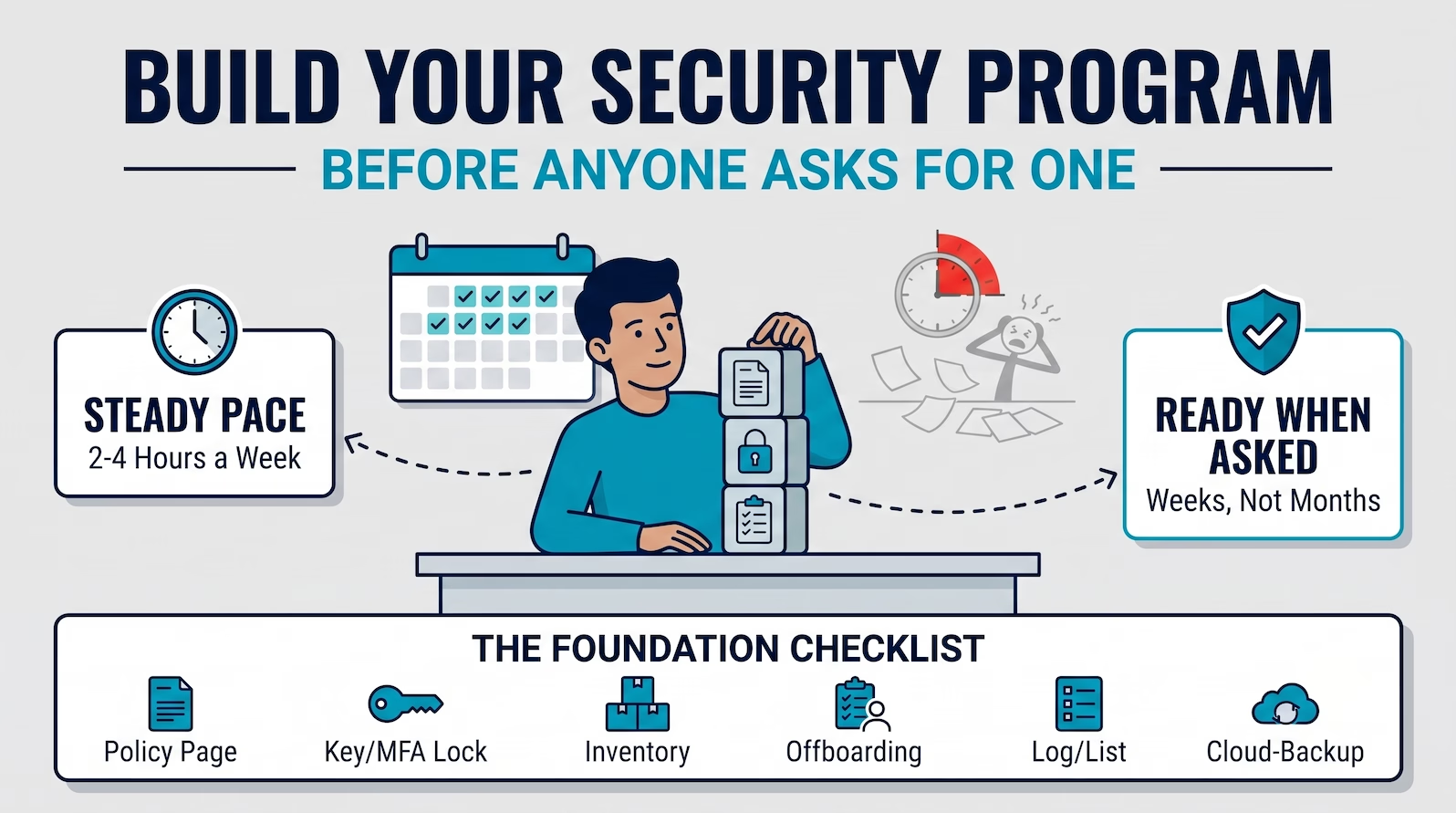
Almost every first call I get starts the same way. Someone outside the company is suddenly asking for a security artifact. A prospect sent a...
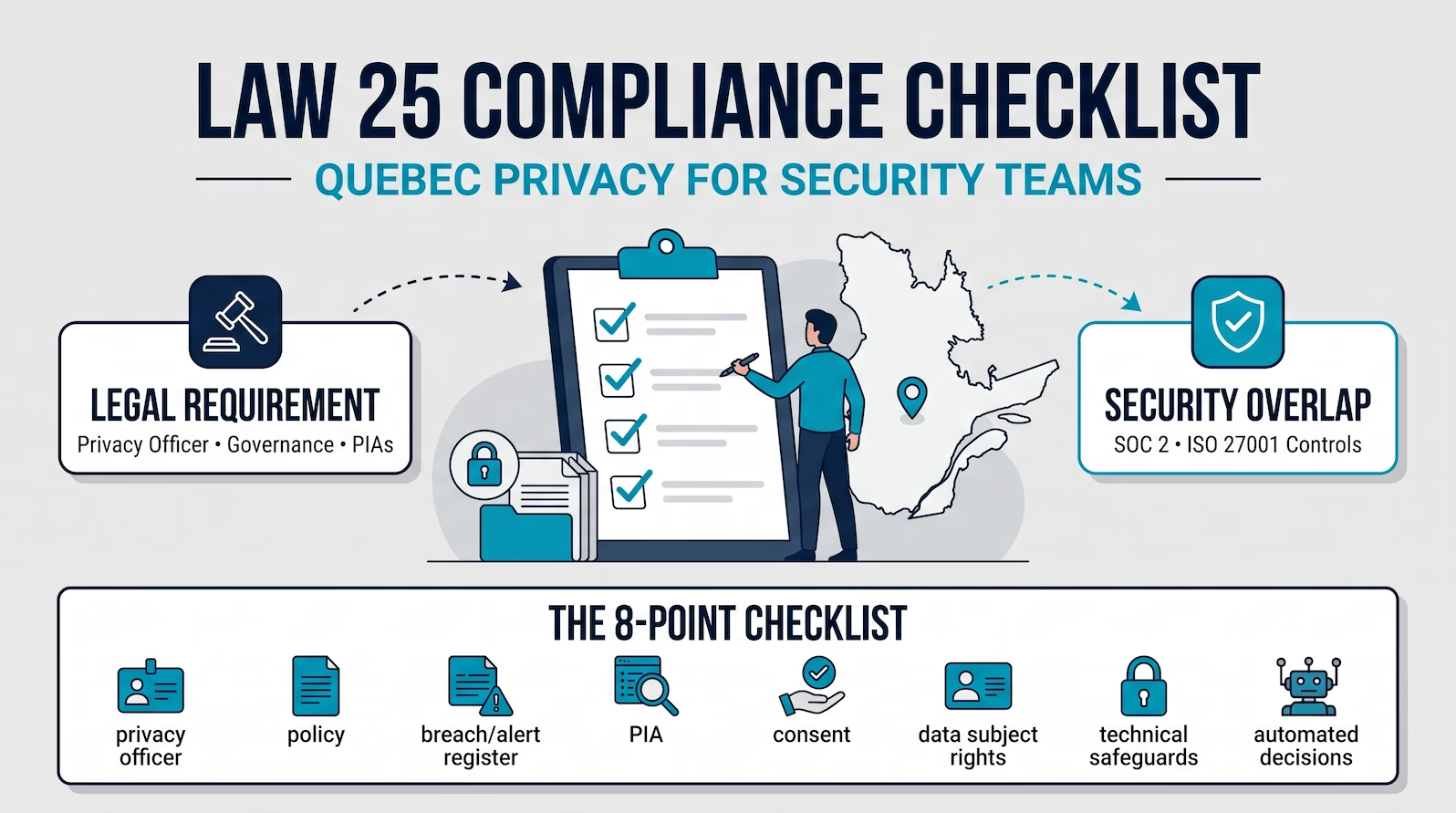
Quebec's Law 25 has been fully in force since September 2024, and the penalties are no longer theoretical. Under the Act respecting the protection of...
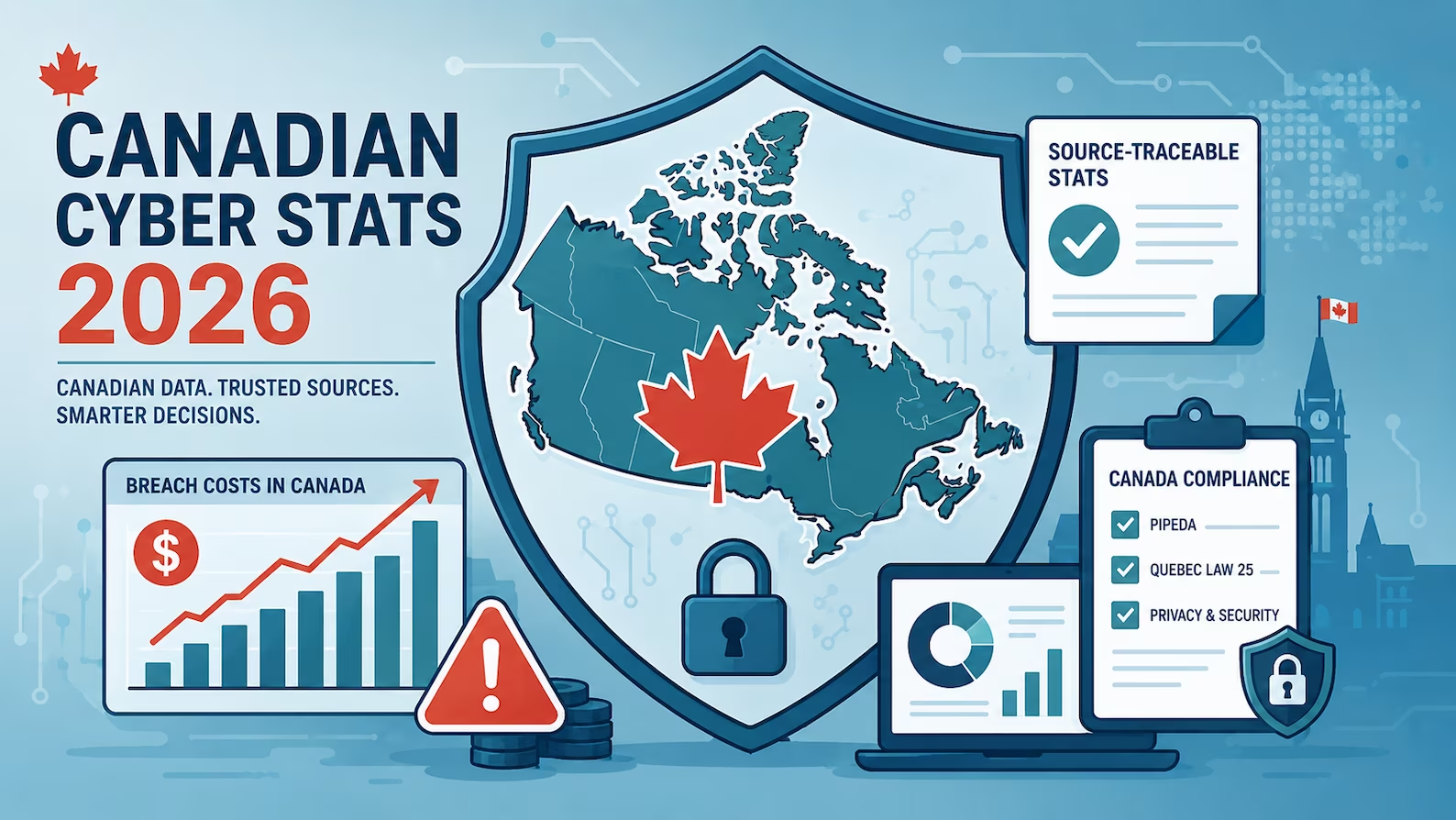
The bottom line for 2026: Canadian data breach costs rose 10.4% to CA$6.98 million even as the global average fell. Canada is the outlier, and the...
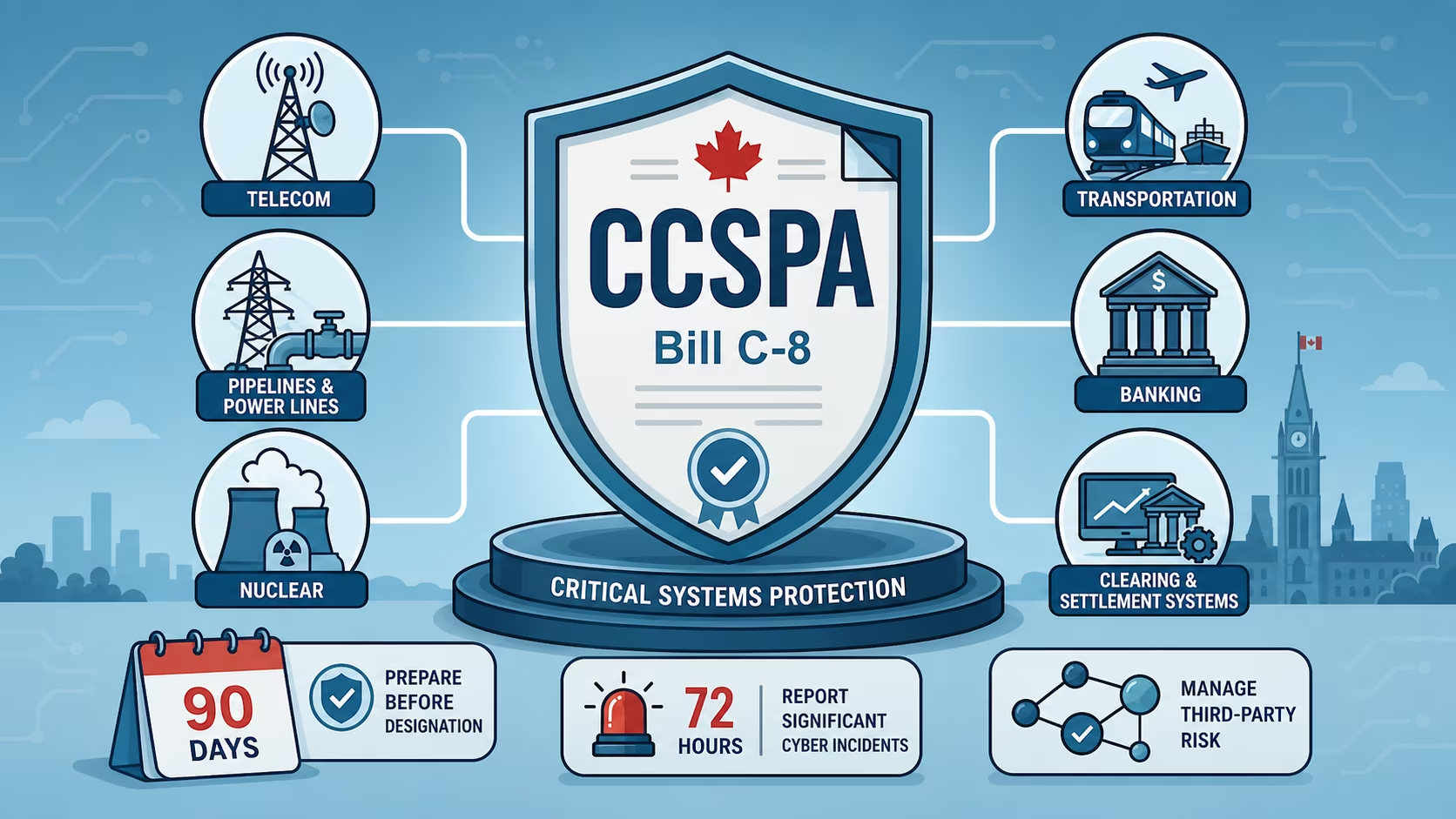
Bill C-8 is now law. Its centrepiece, the Critical Cyber Systems Protection Act (CCSPA), places mandatory security obligations on operators in six...
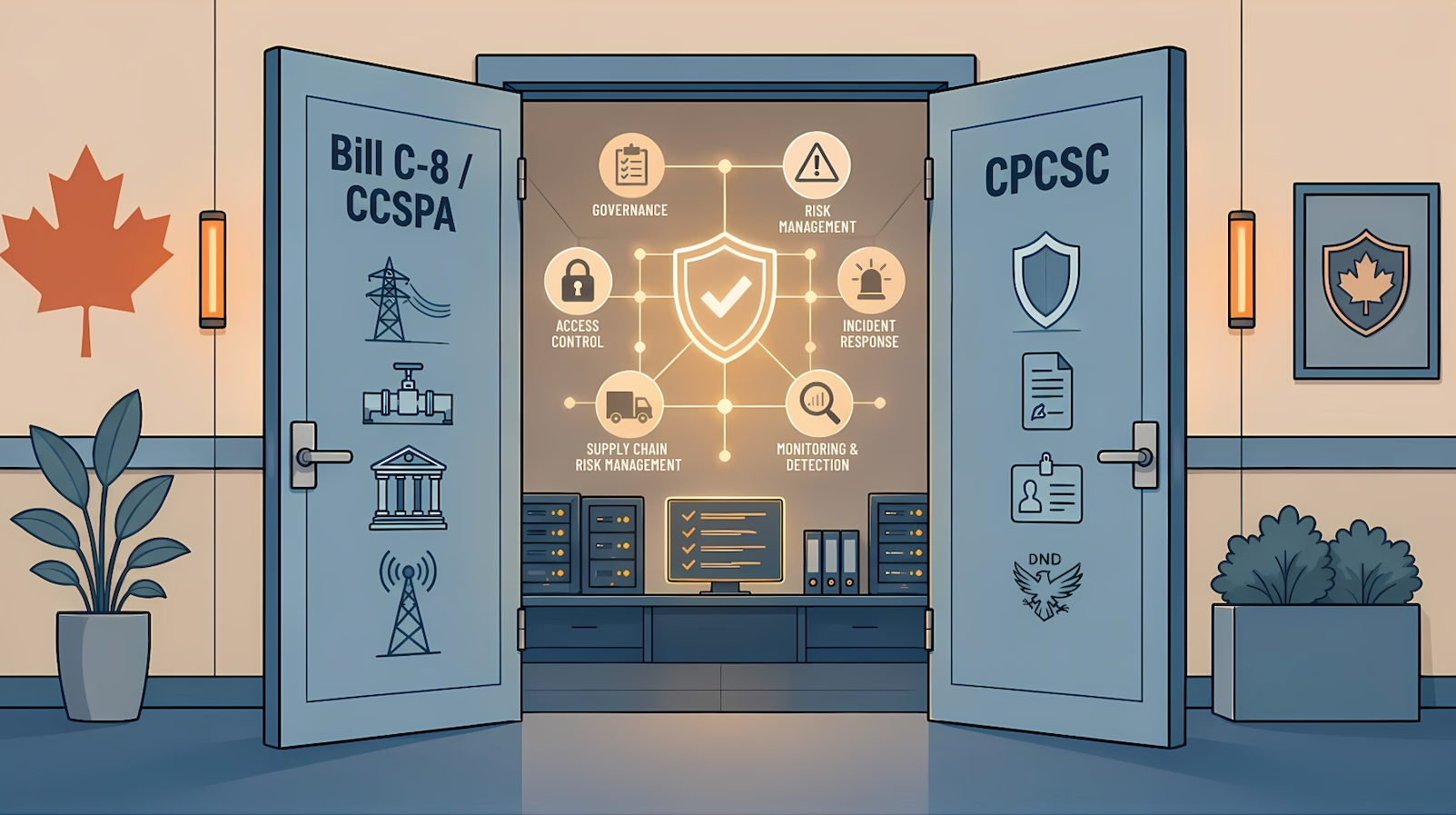
Canada now runs two federal cybersecurity mandates that reach companies through entirely different doors. Bill C-8's Critical Cyber Systems...
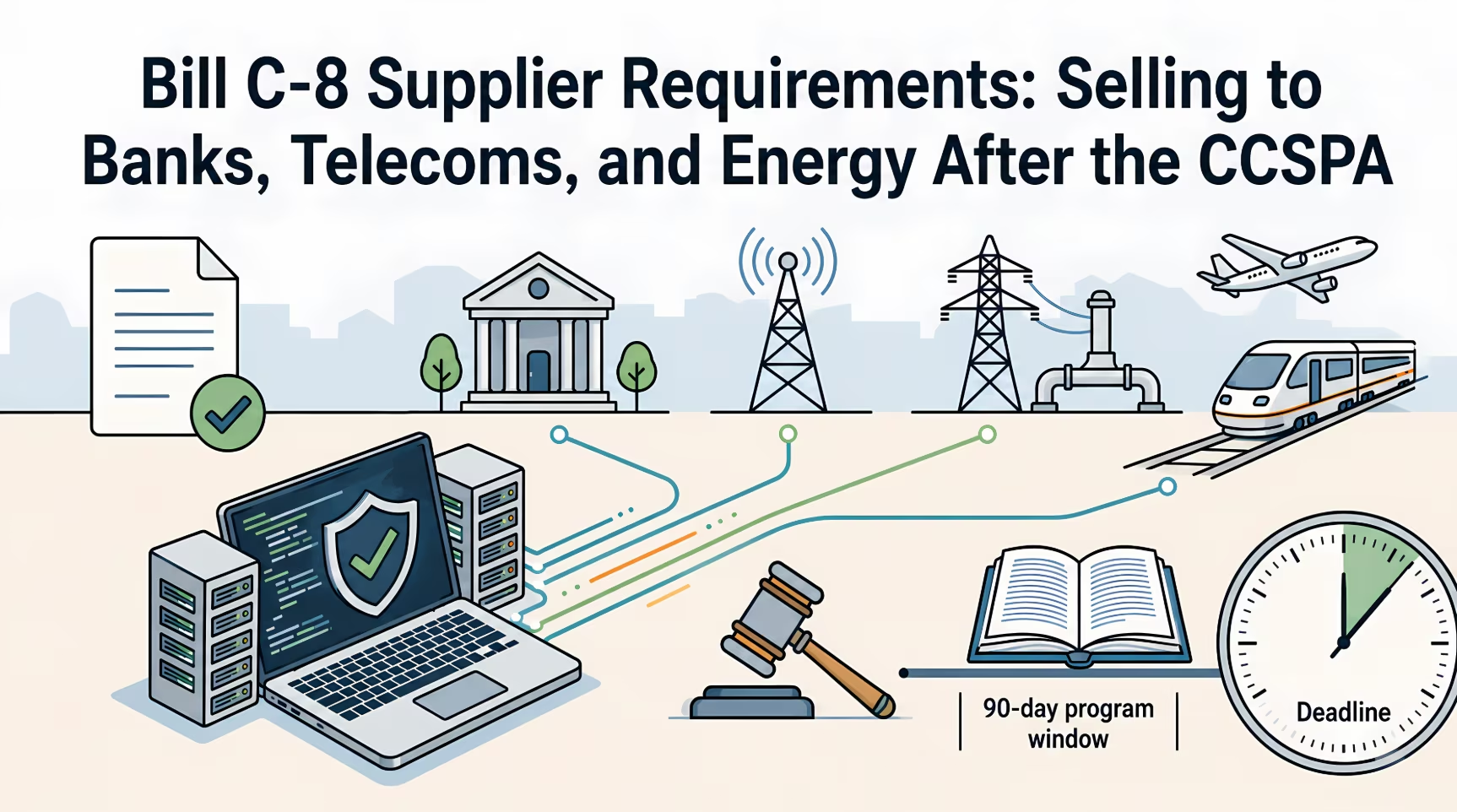
Bill C-8 is law, and its centrepiece, the Critical Cyber Systems Protection Act (CCSPA), places no direct obligations on the software and technology...
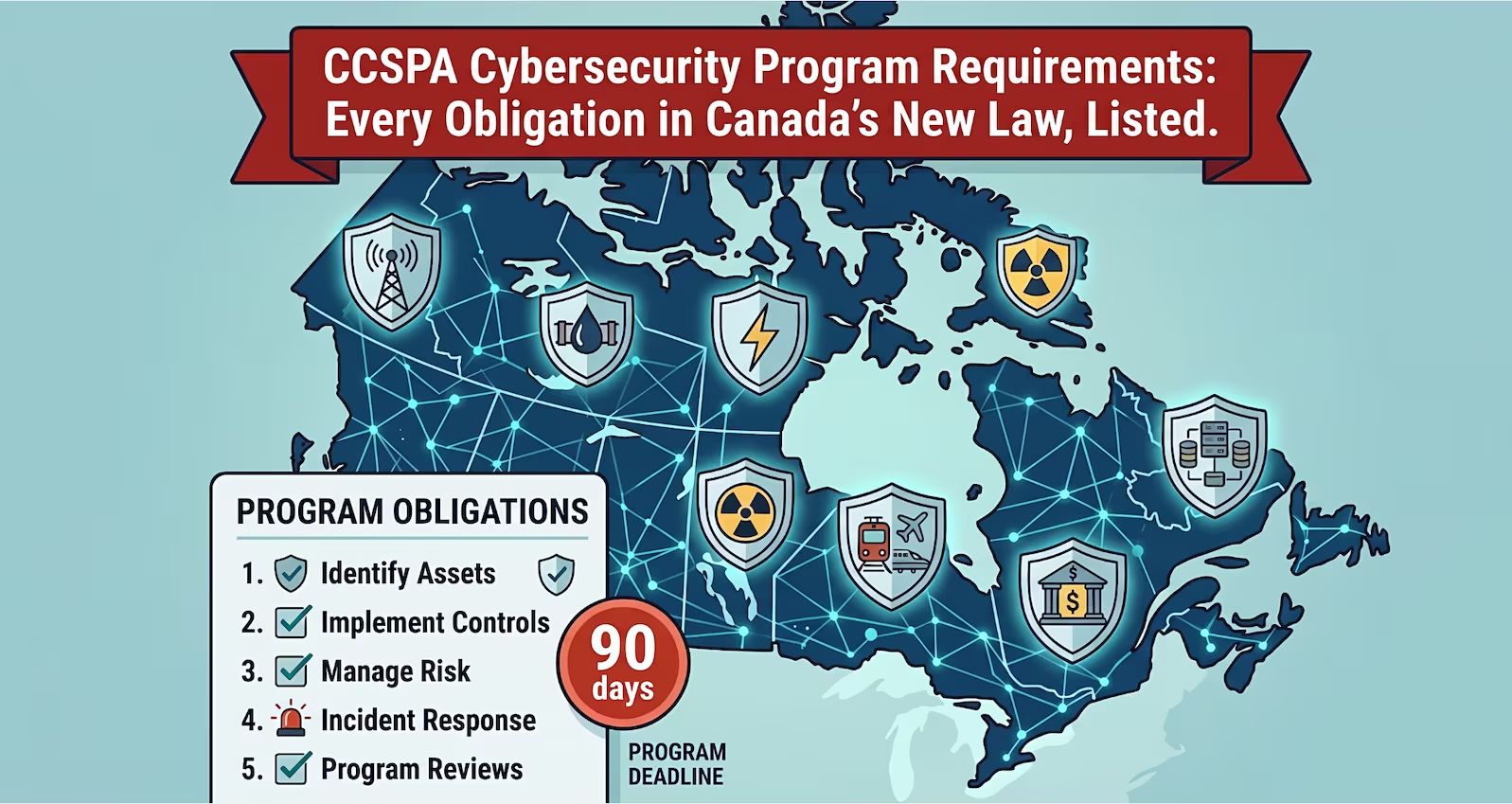
A CCSPA cyber security program is a documented set of reasonable steps to identify and manage cyber security risk, protect critical cyber systems,...
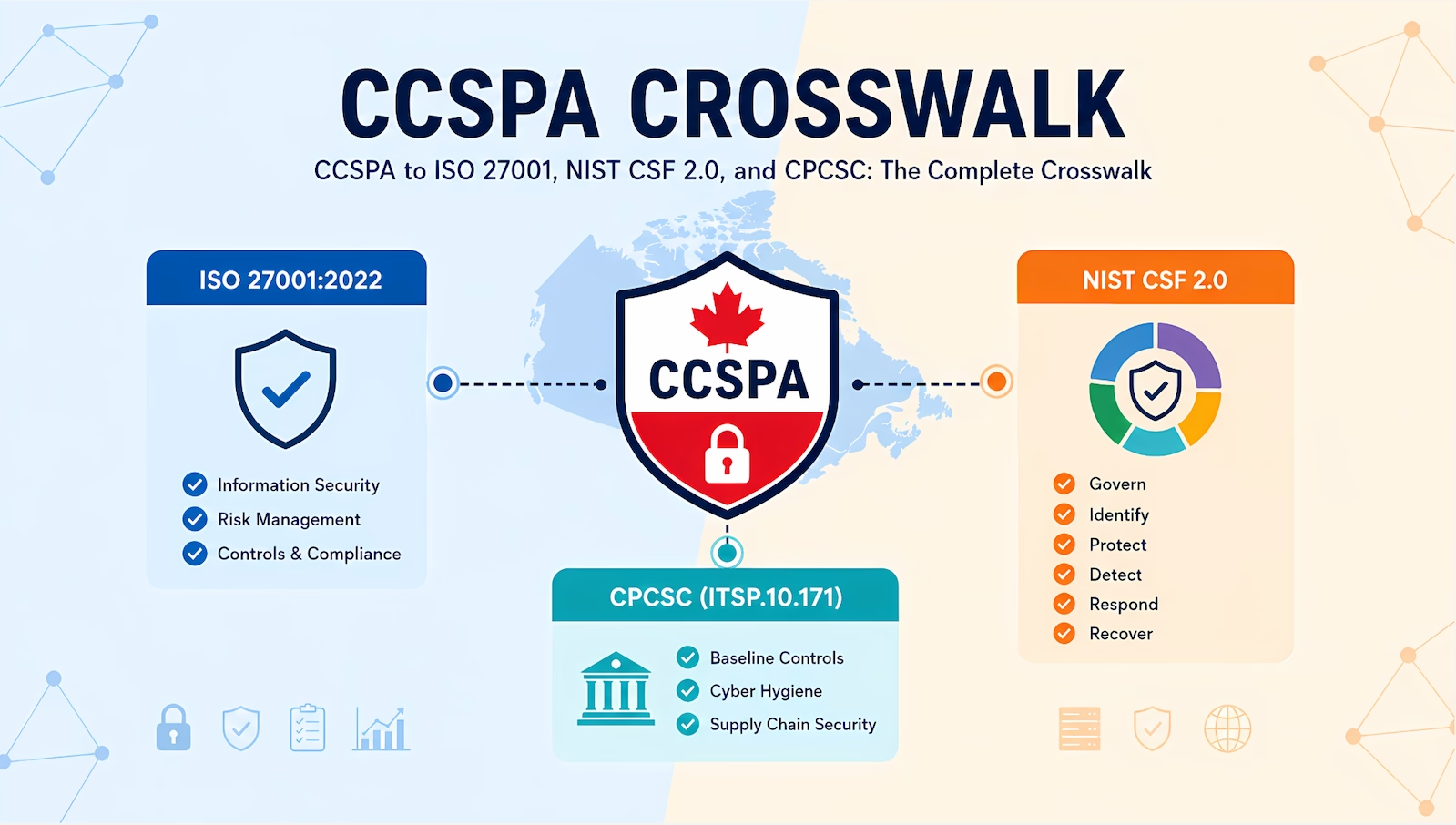
This crosswalk maps the seven obligation areas of the Critical Cyber Systems Protection Act (CCSPA), enacted June 16, 2026 as Part 2 of Bill C-8,...
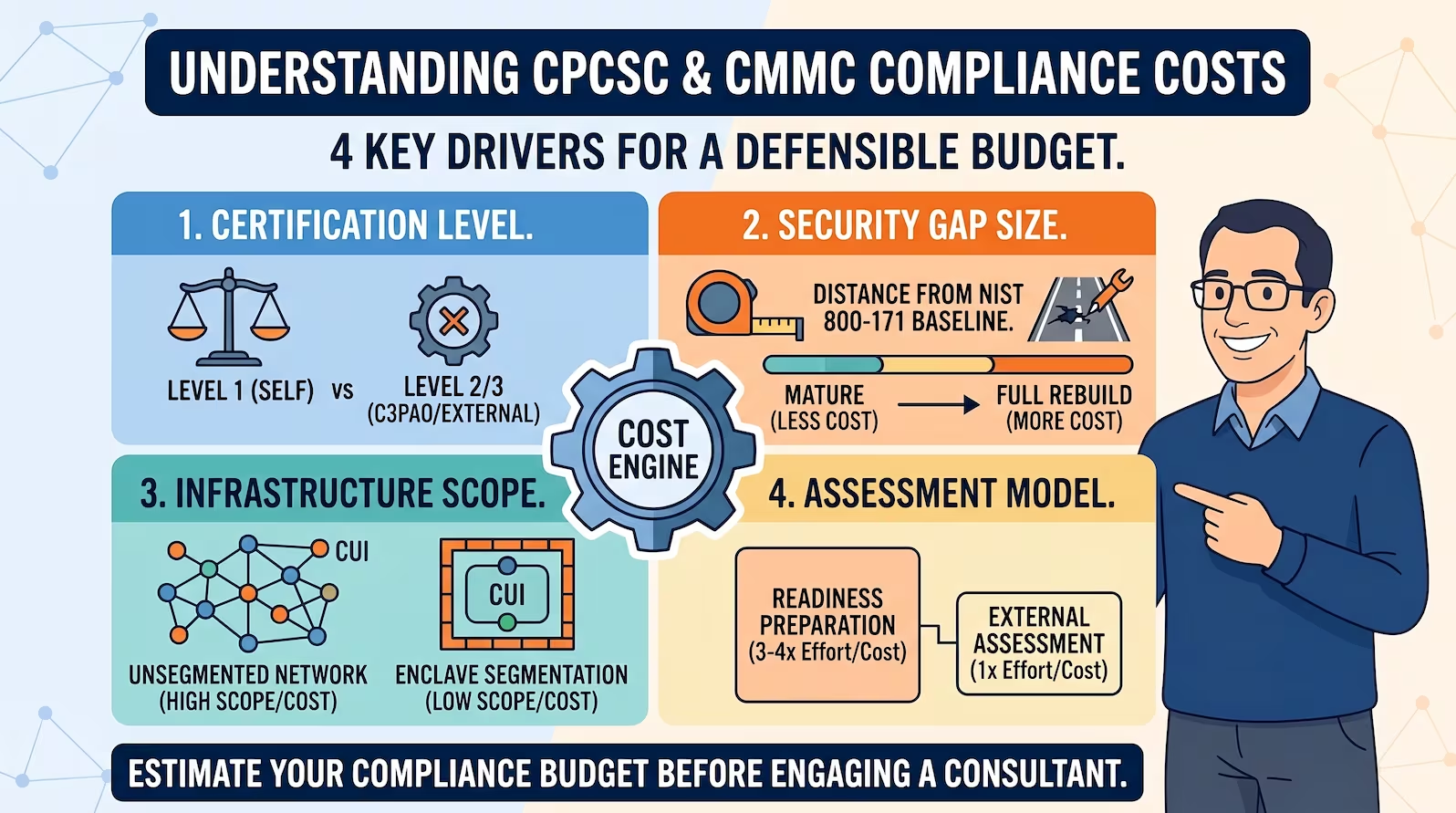
There is no single price tag for CPCSC or CMMC compliance, and any consultancy that quotes one before scoping your environment is guessing. The real...
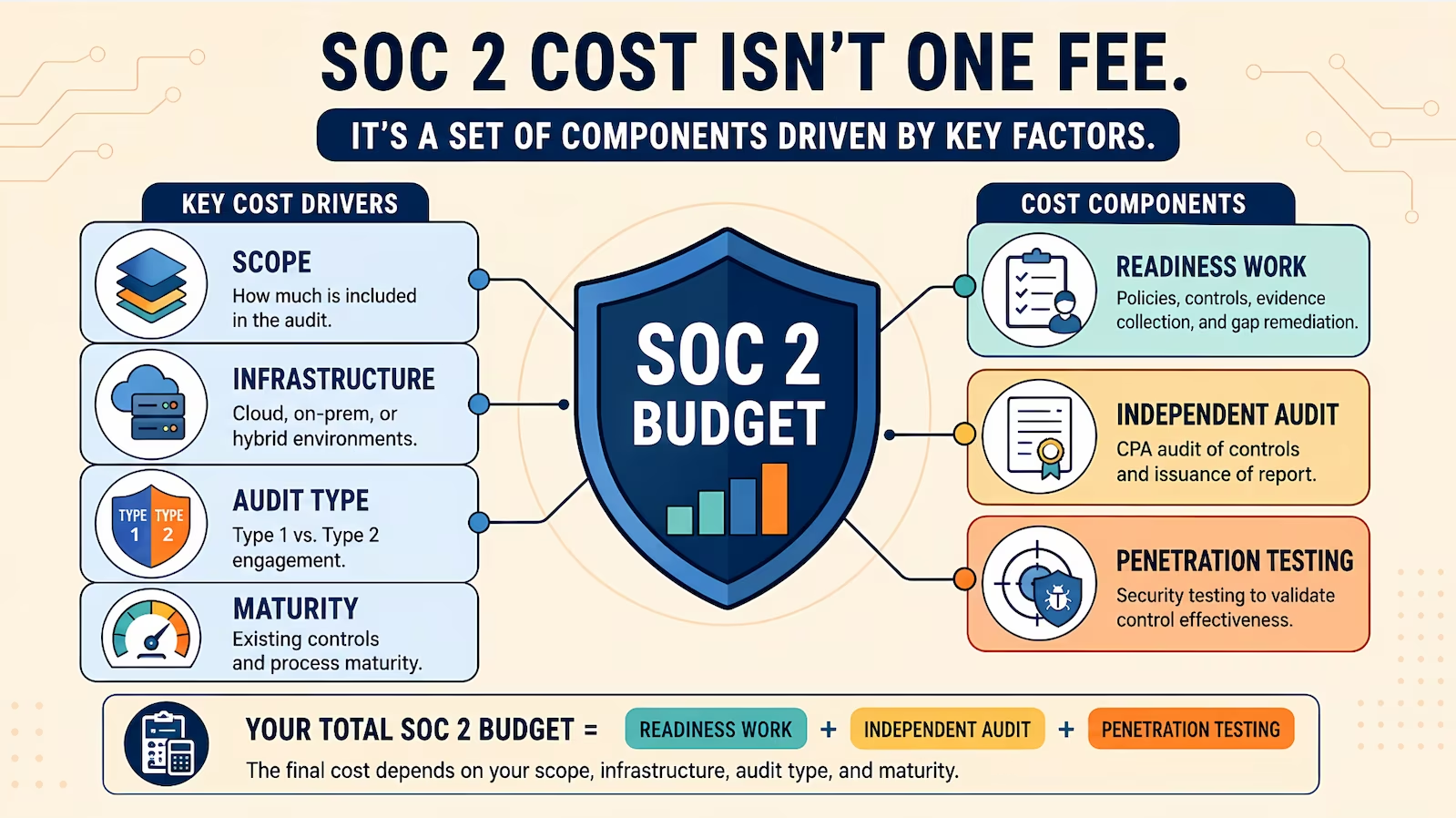
TL;DR: All-in SOC 2 cost for a growth-stage SaaS company typically runs between US$20,000 and US$100,000 in the first year, with most SMBs in the...
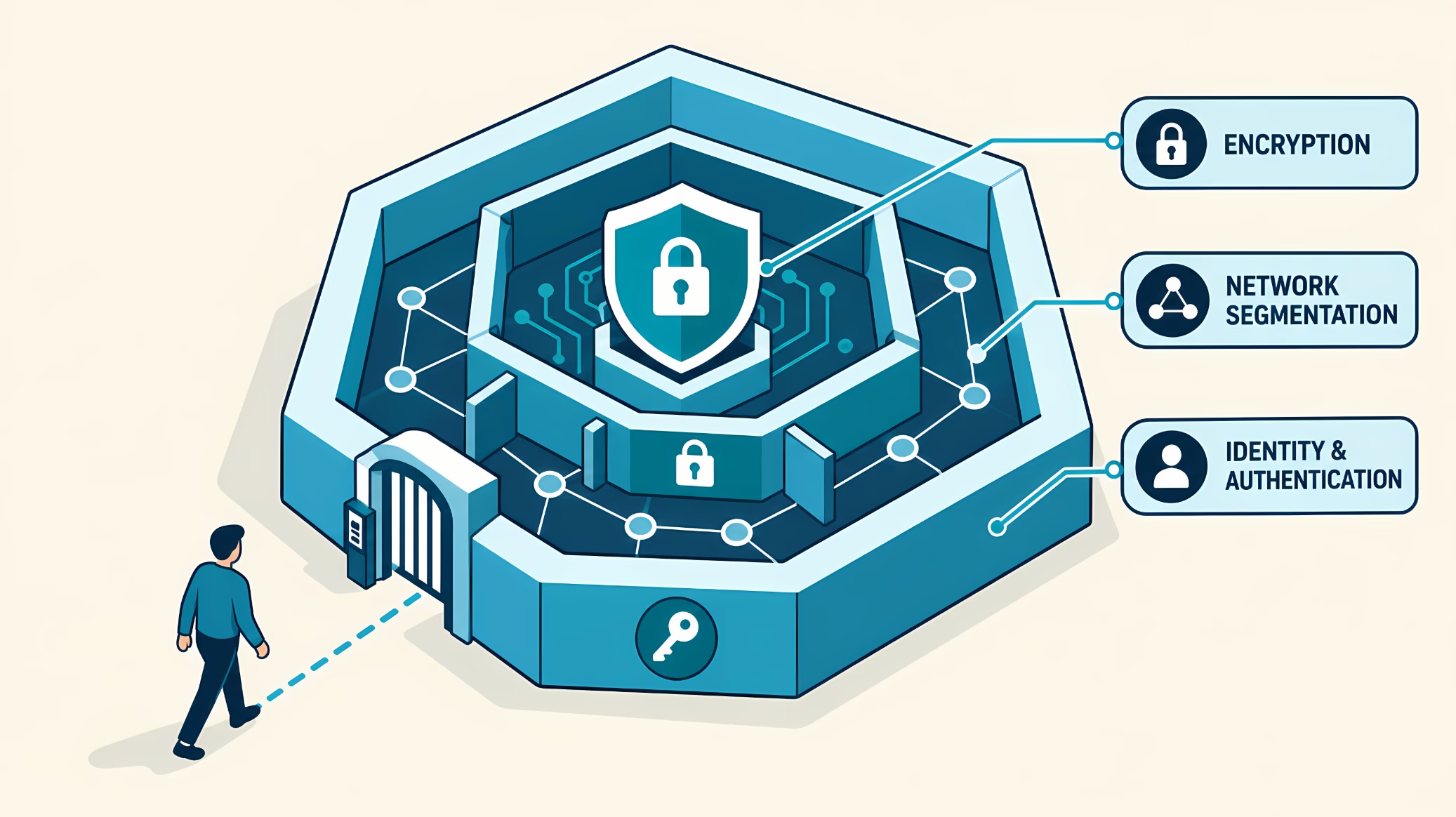
SOC 2 CC6.1 is the foundational access control criterion in the Trust Services Criteria: it requires an organization to implement logical access...
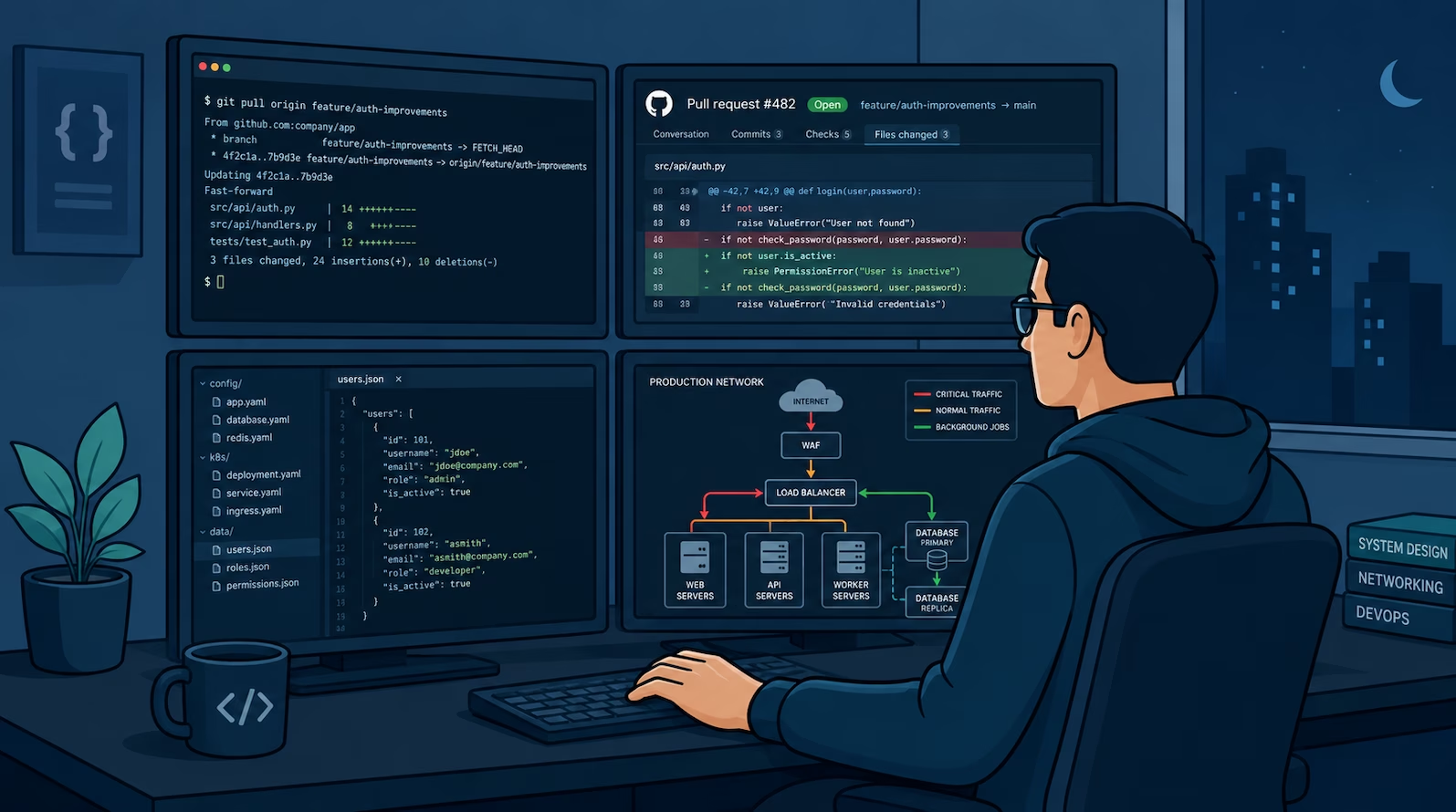
At Truvo, GRC engineering is how we run compliance: we treat governance, risk, and compliance as an engineering discipline rather than an...
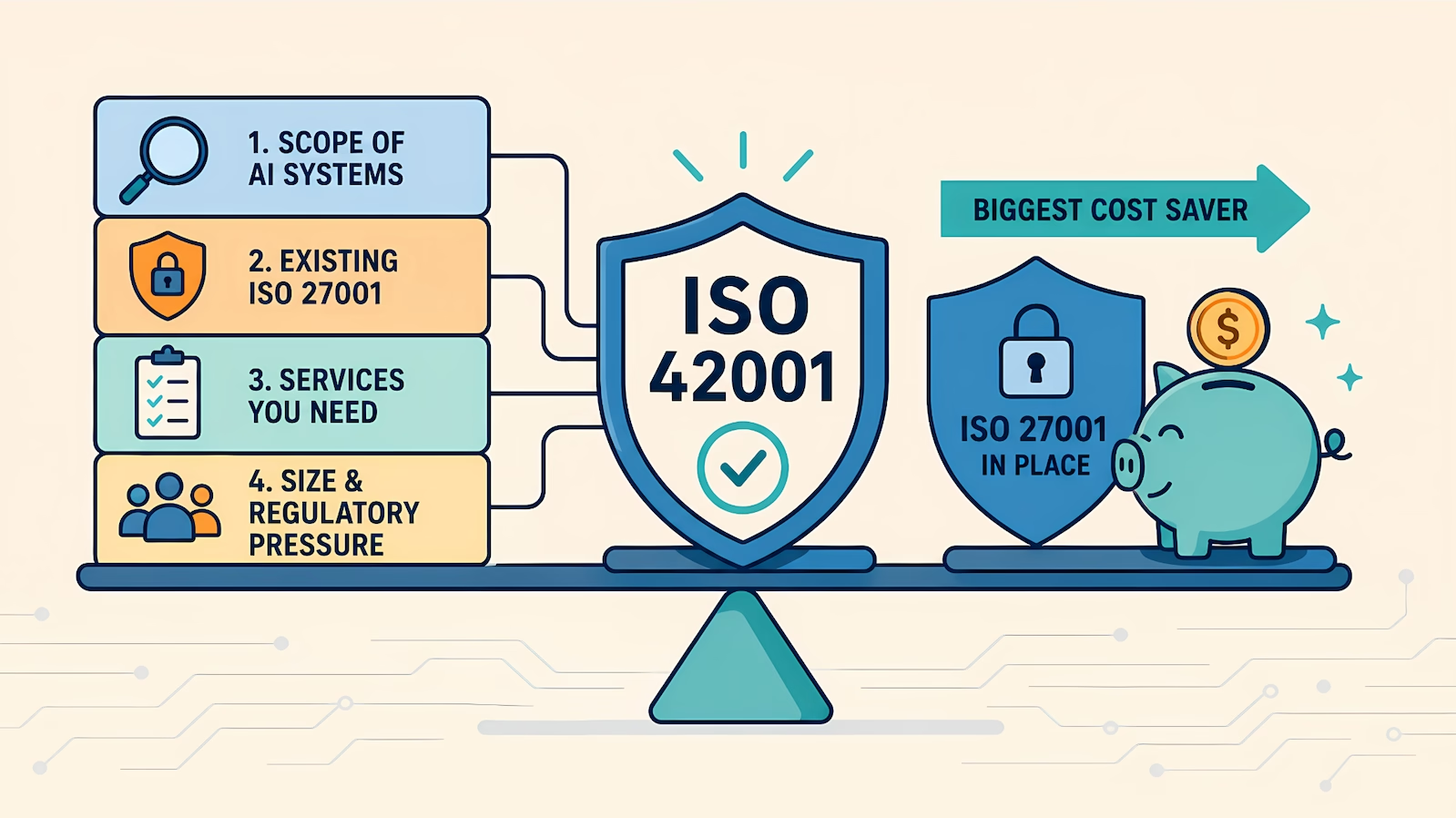
ISO 42001 implementation and certification for small organization can land anywhere between roughly US$20,000 and US$55,000 for a first...
TL;DR
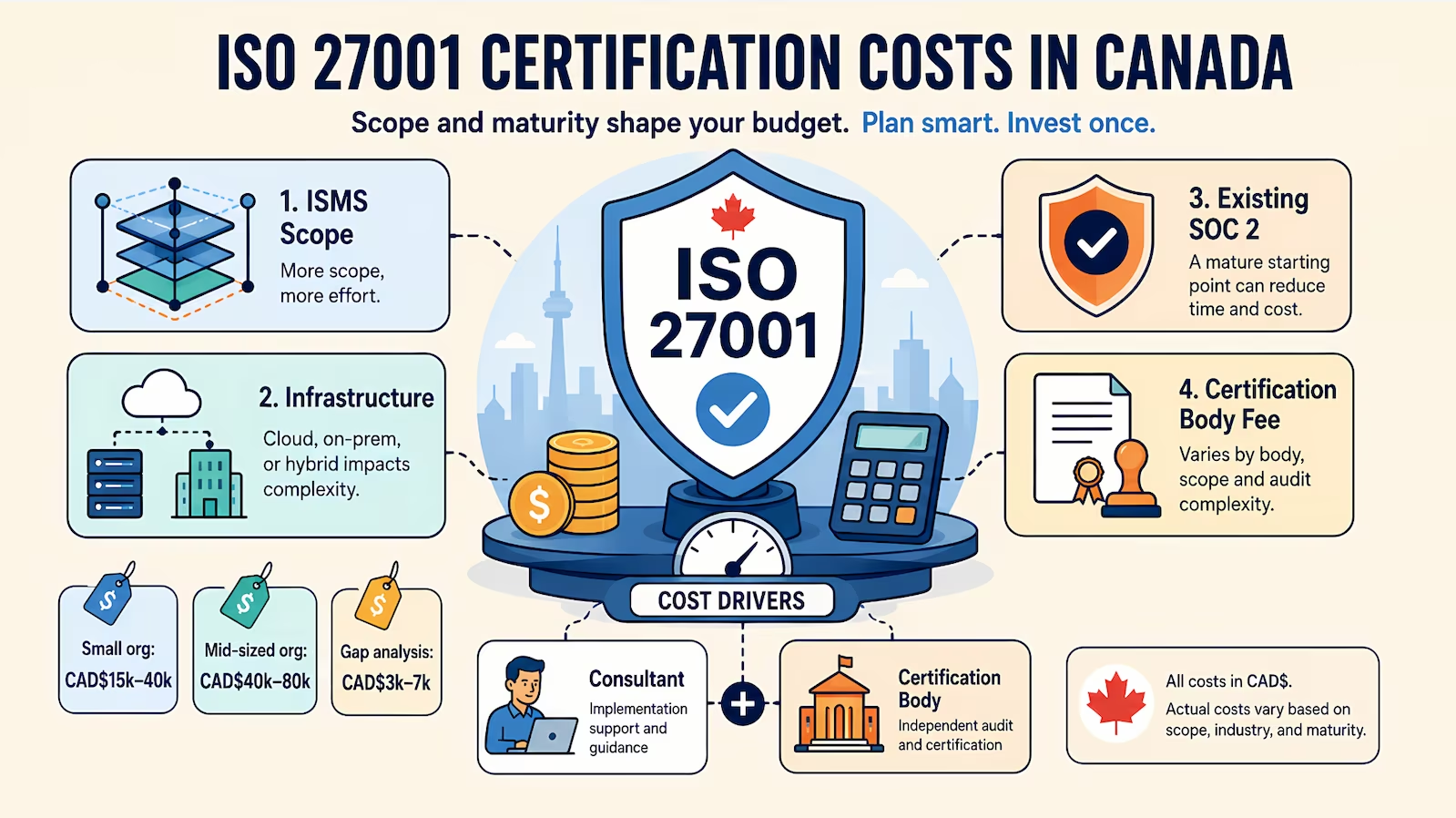
For a Canadian company, ISO 27001 typically costs between CAD$15,000 and $40,000 for a small organization (under 50 employees) and CAD$40,000...
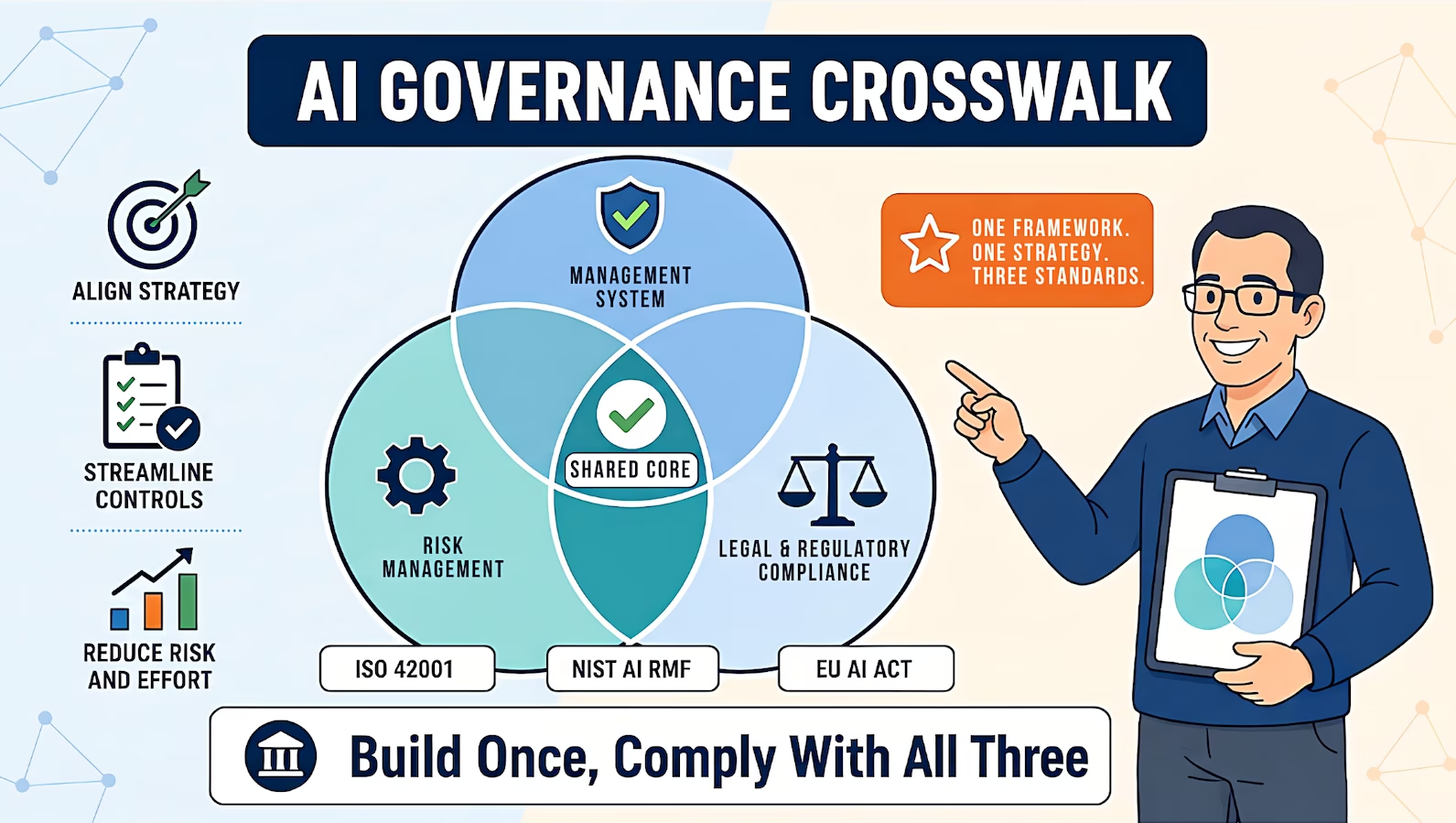
ISO 42001, the NIST AI RMF, and the EU AI Act overlap on roughly two-thirds of their controls. Design one control set against that shared core and...
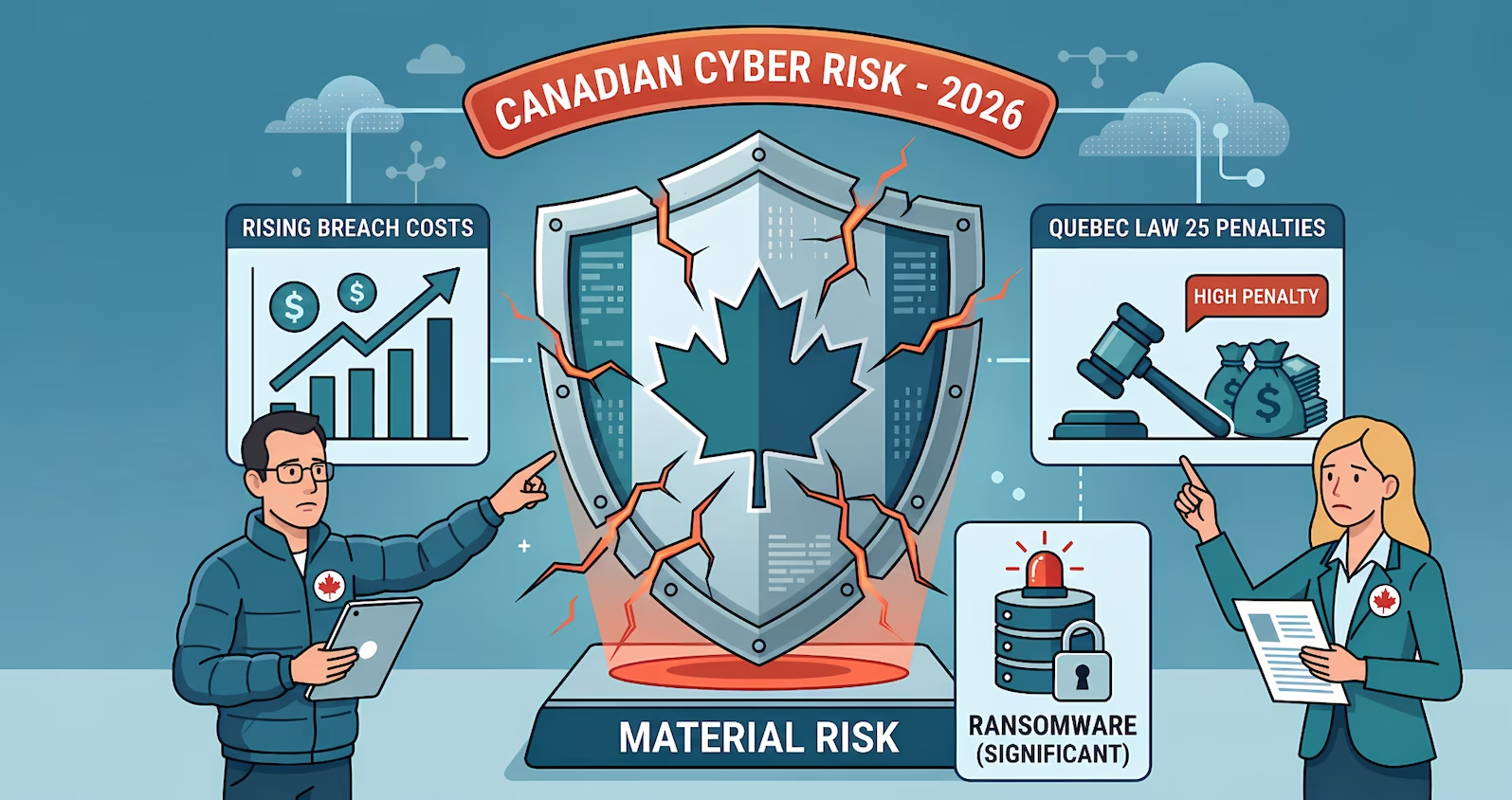
The bottom line for 2026: Canadian data breach costs rose 10.4% to CA$6.98 million even as the global average fell. Canada is the outlier, and the...
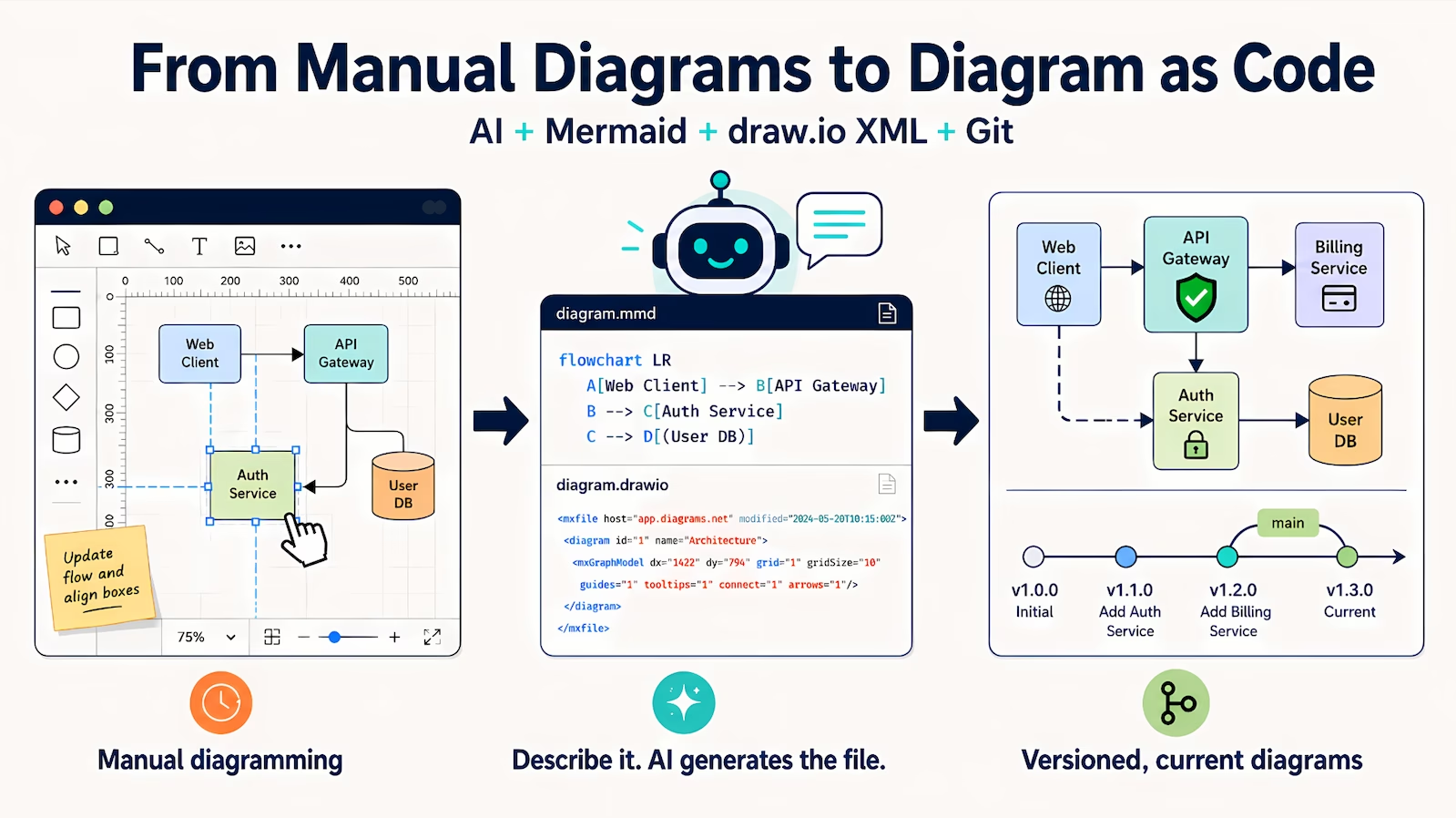
As a cybersecurity consulting firm, one of the first things we do with any client is understand their architecture. That means drawing network...
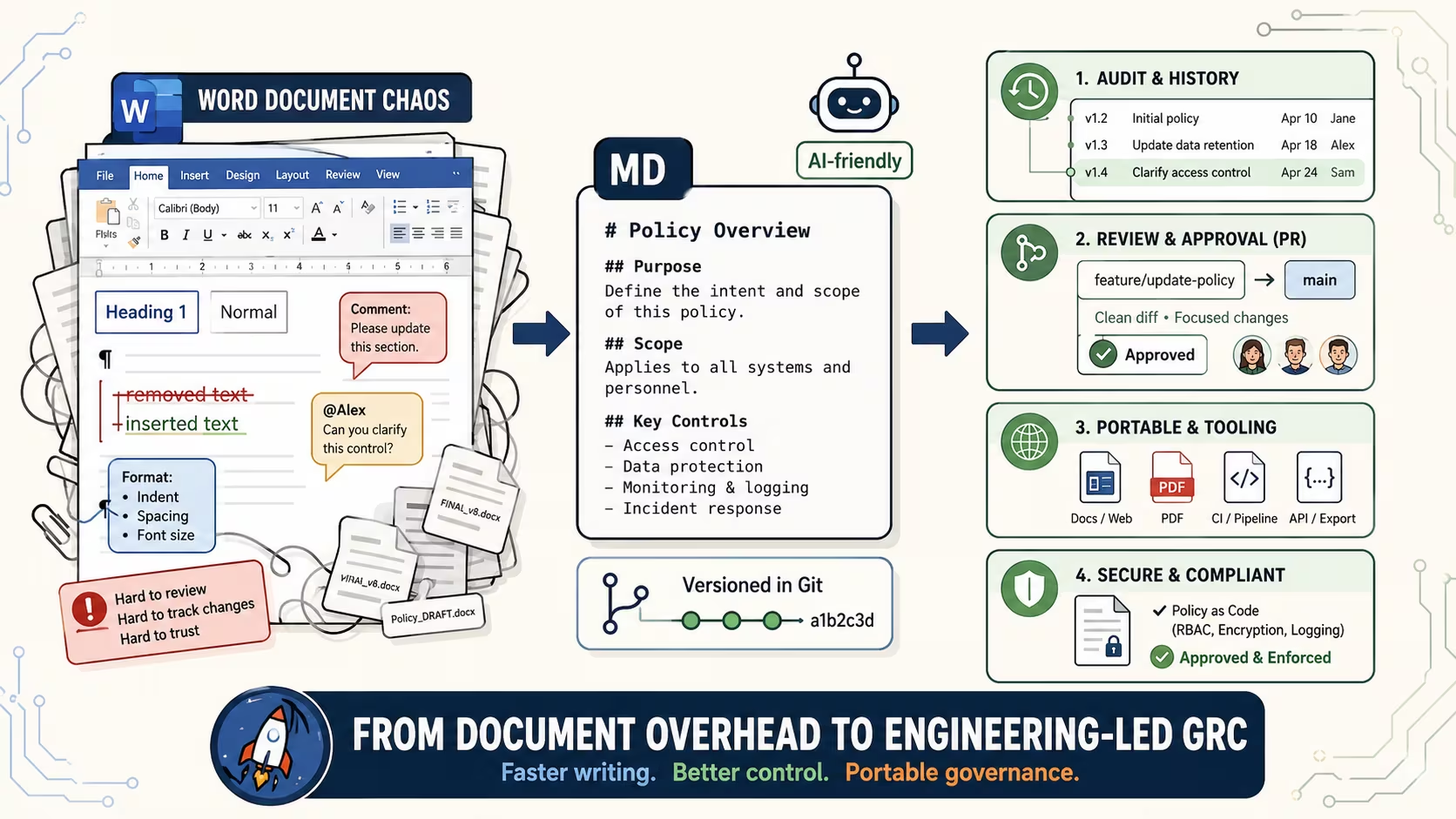
In 2026, documentation needs to be easily readable by humans and AI. Plain text is too plain. You need headings, bold, lists, and tables to make a...
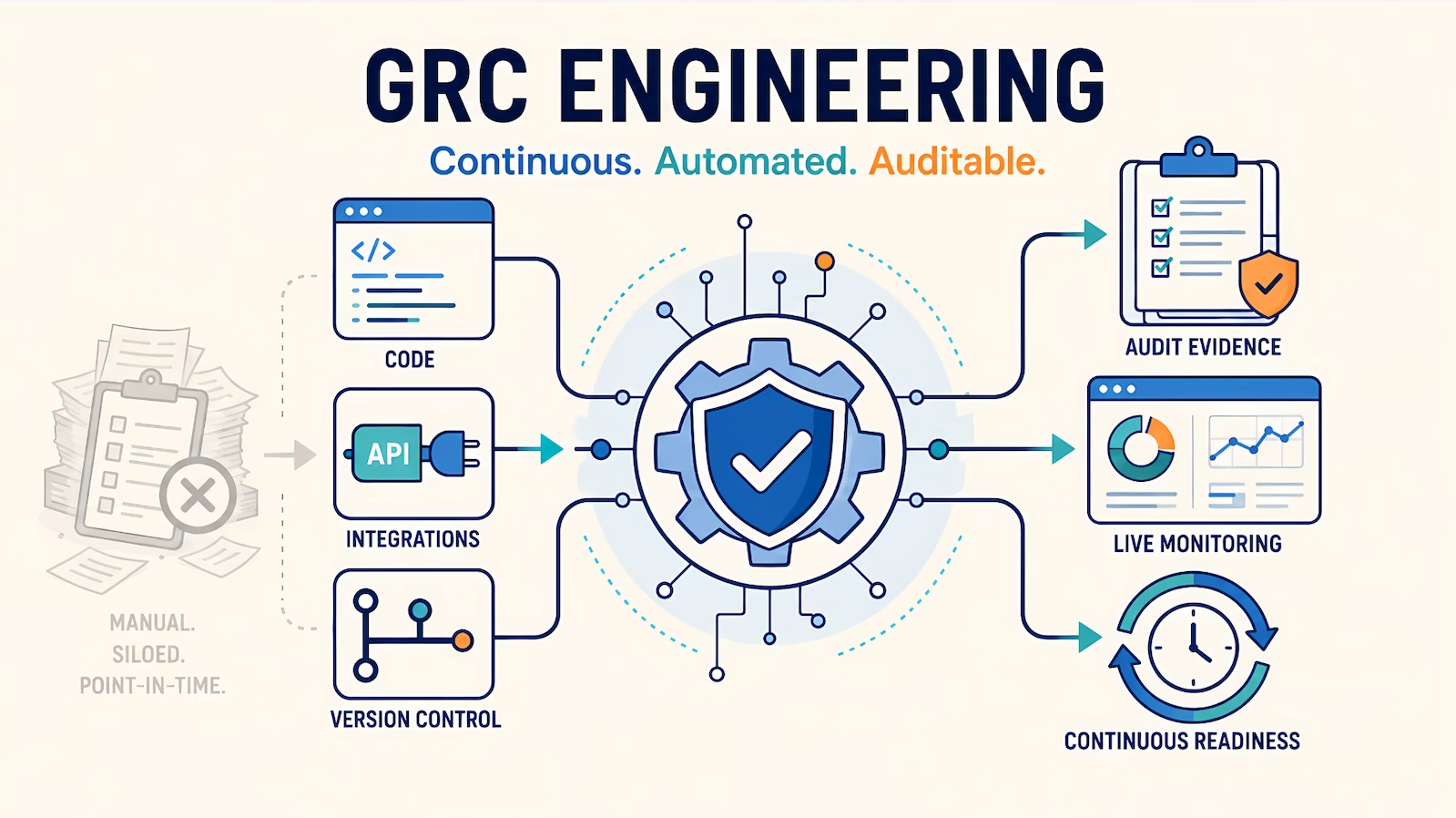
GRC engineering has been picking up momentum in the security community. It is in job postings, conference agendas, and strategy conversations at...
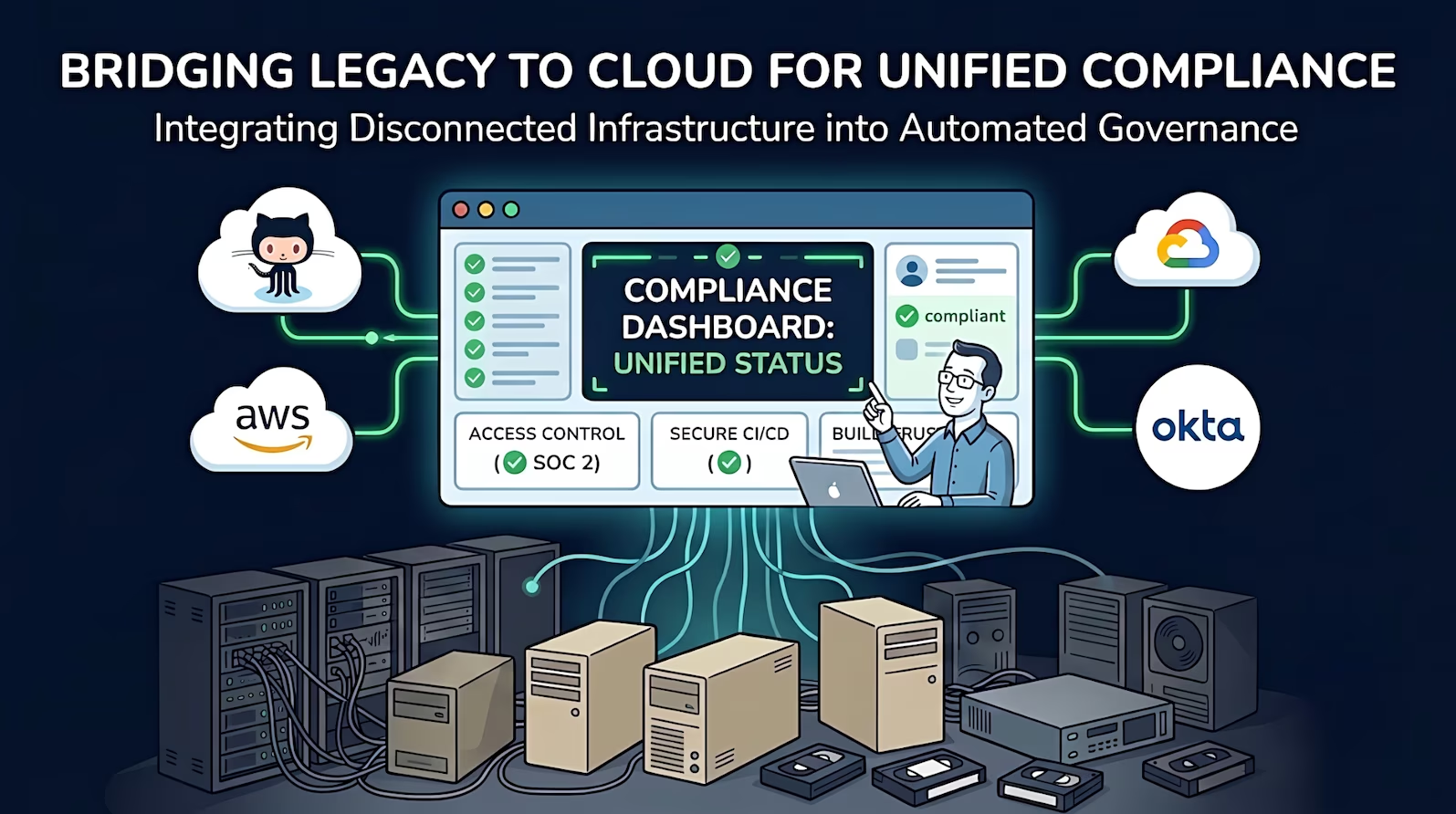
We've seen all to often. organizations that have been running a GRC platform for six to twelve months: the dashboard is green, the audit prep feels...
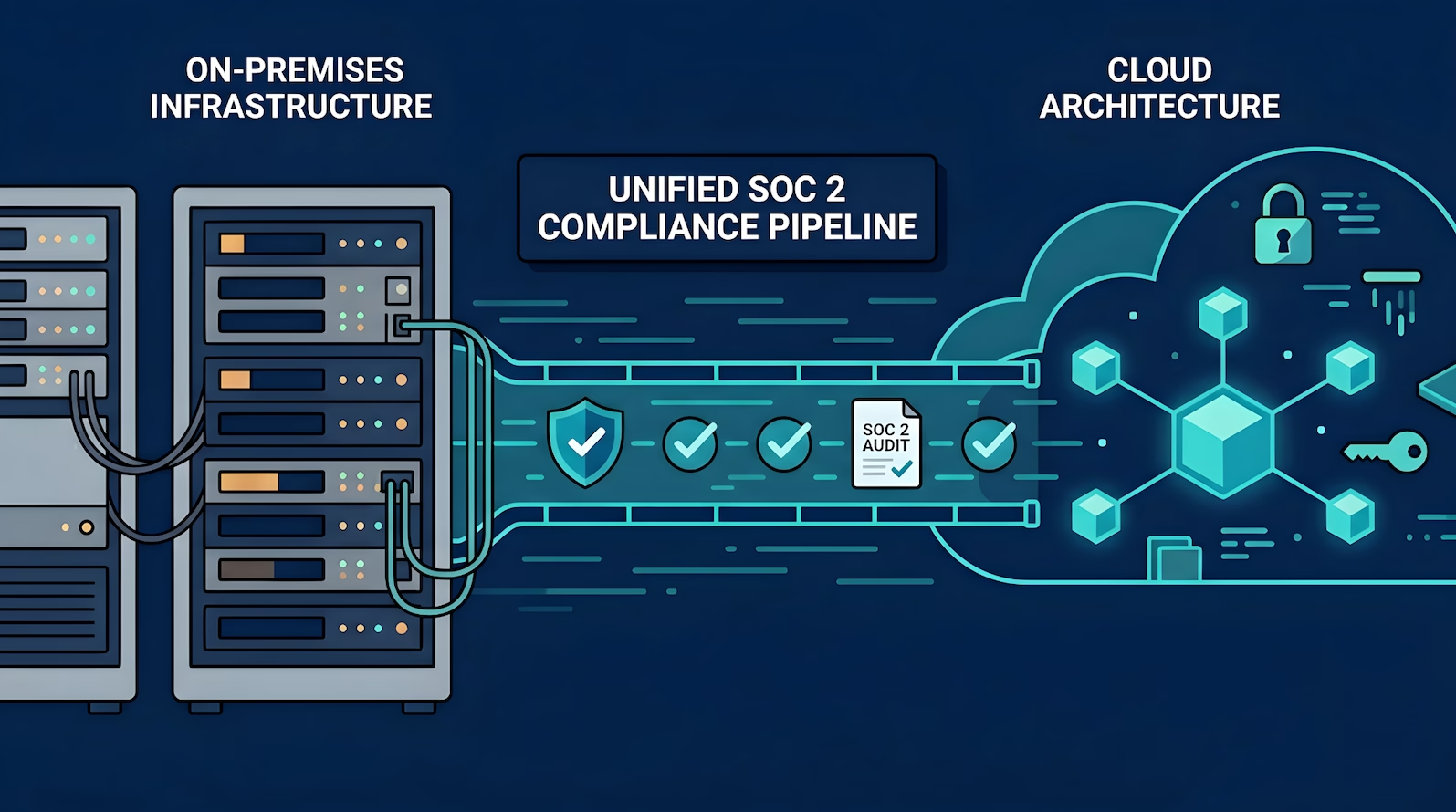
GRC platforms automate compliance evidence collection for cloud-native infrastructure. Connect your AWS account, hook in your identity provider, link...
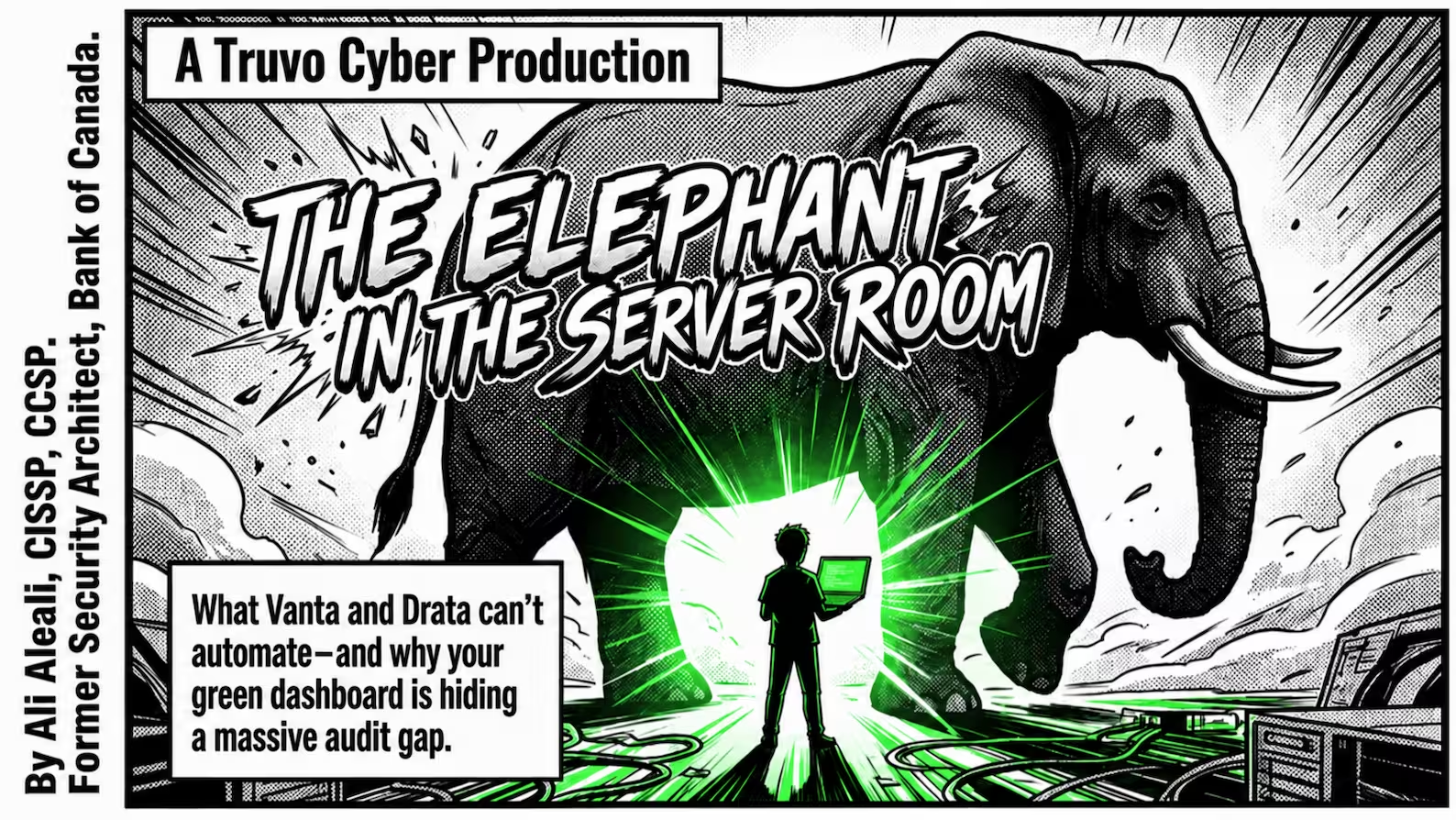
Companies that implement Vanta or Drata expecting near-complete automation of their SOC 2 compliance work tend to hit the same wall. The integrations...