
.svg)
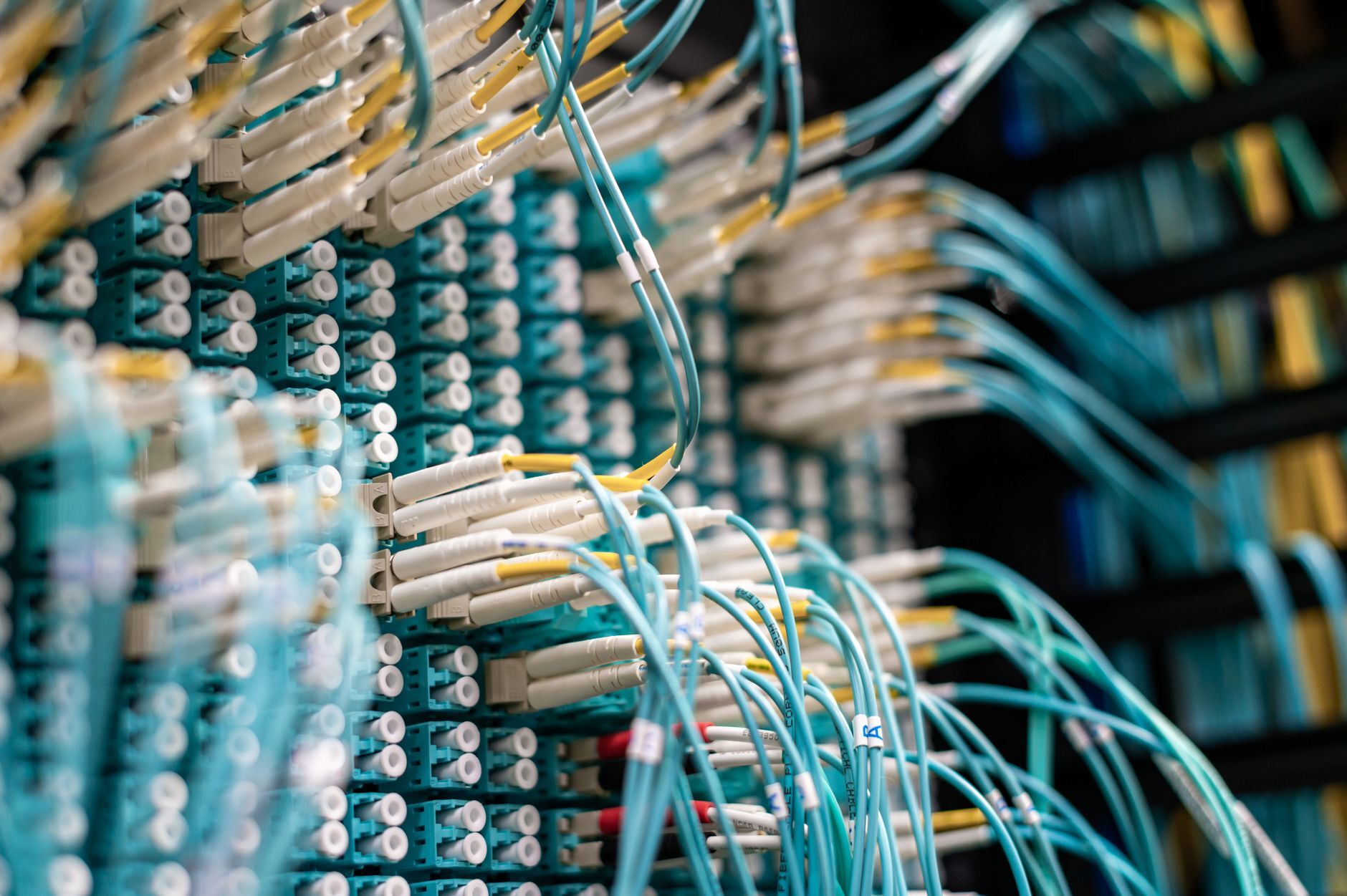
Vanta and Drata work for an on-prem SOC 2 program, and they automate the corporate half of it: identity, HR records, code review, endpoints, policies, training, vendors and risk. Evidence from hardware in a colocation facility, such as firewall rule reviews, hardening baselines, patch status, vulnerability scans and host logging, is collected outside the platform and uploaded to it. The buying decision comes down to who does that collection each month.
At a glance
- Automated by the platform: identity provider, HRIS, GitHub, cloud control plane, MDM, policy acceptance, training, vendor list and risk register.
- Manual on-prem evidence: network segmentation, firewall rule reviews, hardening baselines, patch status, vulnerability scans, host logging and infrastructure access lists.
- Where the platform earns its cost: one evidence store, auditor access, policy acknowledgements, risk assessments and due-date tracking.
- Who collects the manual evidence: an internal owner with an evidence calendar, a service provider with read-only access, or scripts.
- When to automate on-prem evidence: after the first audit.
A compute infrastructure company we spoke with recently had evaluated both Vanta and Drata. Most of its in-scope data flows through hardware it operates in a colocation facility, so the integrations covered the corporate side and little of production. Its product lead put the constraint plainly: if the team had to spend 30 hours a week on manual evidence, the program was a non-starter. That constraint has three workable answers.
Which SOC 2 Evidence Do Vanta and Drata Automate When Production Is On-Prem?
Vanta and Drata automate SOC 2 evidence from every system they integrate with, and for a colocation-based company those systems are the corporate SaaS stack. The identity provider (for example Google Workspace) reports accounts and MFA, the HRIS (for example BambooHR) reports hires and terminations, GitHub reports branch protection and code review, and MDM reports laptop encryption. If part of the product uses a cloud control plane such as GCP, the platform reads that configuration too.
The platform also handles the people and process evidence every SOC 2 program needs, wherever the servers are: policy acceptance, training, the vendor list, the risk register and access review workflows.
The table maps common SOC 2 evidence for a company with production in a colocation facility. Frequencies are typical choices; the control description and policy set the real ones.
| SOC 2 evidence type | Automated by Vanta or Drata? | Evidence source | Typical frequency |
| Employee accounts and MFA (CC6.1, CC6.2) | Yes, identity provider integration | Google Workspace or other identity provider | Continuous |
| Onboarding and offboarding | Yes, HRIS integration | BambooHR or other HRIS | Continuous |
| Code review and branch protection (CC8.1) | Yes, GitHub integration | GitHub | Continuous |
| Cloud control plane configuration | Yes, for the cloud-hosted part | GCP or other cloud API | Continuous |
| Laptop encryption and screen lock | Yes, MDM or platform agent | Endpoints | Continuous |
| Policy acceptance and security training | Yes, platform workflow | GRC platform | At hire and annually |
| Vendor list and risk register (CC9.2, CC3.2) | Tracked in the platform, maintained by people | GRC platform | Annually, plus new vendors |
| Network segmentation (CC6.6) | Manual upload | Network diagram, VLAN and switch configuration, segmentation test | Annually and after network changes |
| Firewall rule review (CC6.6) | Manual upload | Rule export with reviewer sign-off | Quarterly or semiannually |
| Hardening baselines (CC7.1) | Manual upload | CIS benchmark results per host image | Quarterly and when an image changes |
| Patch status (CC7.1, CC8.1) | Manual upload | Package versions from hosts, patch tickets | Monthly |
| Vulnerability scans (CC7.1) | Manual upload | Internal scanner reports, remediation tickets | Monthly or quarterly |
| Host logging and monitoring (CC7.2) | Manual upload | Log forwarding configuration, retention setting, sample alert ticket | Continuous collection, weekly review |
| Infrastructure access: SSH, bastion, BMC (CC6.2, CC6.3) | Manual upload | Access lists from hosts, bastion and out-of-band management | Quarterly review |
Which On-Prem SOC 2 Evidence Stays Manual in Vanta or Drata?
On-prem SOC 2 evidence stays manual when the system that produces it has no platform integration, which in a colocation facility covers the network, the hosts and the tools that watch them. Each firewall, switch, hypervisor, server and BMC needs a person or script to export its evidence, date it and attach it to a control. Each area has its own guide:
- Segmentation and firewall rule reviews: SOC 2 network security on-prem.
- Hardening: SOC 2 configuration baselines for bare metal.
- Patch status: SOC 2 patch management for on-prem servers.
- Scans: SOC 2 vulnerability scanning for on-prem servers.
- Host logging: SOC 2 logging and SIEM for bare metal.
The guide to SOC 2 evidence collection without APIs covers how to produce each artifact so an auditor accepts it, and the breakdown of what Vanta and Drata can't automate covers the integration model behind this split.
Is a GRC Platform Worth Buying When Most SOC 2 Evidence Is On-Prem?
A GRC platform is worth buying for an on-prem SOC 2 program when it replaces coordination work. SOC 2 has no tool requirement, and a shared drive with a spreadsheet can pass an audit. The platform earns its cost in four places:
- One evidence store mapped to controls. Manual on-prem uploads and automated corporate evidence appear in the same control view.
- Auditor access. The auditor reviews evidence in the platform, which cuts the file exchange during fieldwork.
- Policy acknowledgements and training. Records are dated and kept automatically.
- Risk assessment and vendor reviews. The register and vendor list live with the controls they support, with review reminders.
On the manual side, each evidence item gets an owner and a due date, which turns an evidence calendar into tracked tasks.
Key insight
The platform decision and the labor decision are separate.
A GRC platform reduces the coordination cost of SOC 2 for an on-prem company. Someone still collects the on-prem evidence, so budget for the platform and for the hours or service that collect it.
Who Collects Manual On-Prem SOC 2 Evidence? Three Options
Manual on-prem SOC 2 evidence is collected by an internal owner, a service provider with read-only access, or scripts, and many programs mix them over time. The weekly hours depend on the in-scope device count and how often each control operates, so the evidence calendar comes first.
Option 1: an internal owner with an evidence calendar. An infrastructure or ops engineer owns the calendar, with a named backup. Each item has a procedure: what to export, from which console or command, where to file it and when it is due. This suits a small device count and an owner with protected time.
Option 2: a service provider with read-only access. The provider gets read-only accounts on the firewall management console, hypervisor, scanner and log platform, collects exports and screenshots on the calendar, and uploads them to the platform. The company keeps the decisions: approving rule reviews, accepting risks and fixing findings. Treat the access as a control in its own right:
- Named accounts with MFA and read-only roles.
- Provider accounts included in the quarterly access review.
- Session logging on the systems the provider reaches.
- The provider listed as a vendor under CC9.2.
Auditors typically judge the evidence itself: complete, dated and traceable to its system. A screenshot showing the hostname and timestamp carries the same weight whoever captured it.
Option 3: scripts and custom tests. Scheduled jobs export configurations, package versions and scan results to a dated evidence folder, or push them into the platform. Vanta documents an API to upload an evidence file to a document, and Drata documents Custom Connections and Tests that accept JSON from on-premises sources, on its Advanced and Enterprise plans at the time of writing. Scripts cut the weekly hours sharply, and someone has to build and maintain them. The Vanta vs Drata API comparison covers how each platform accepts external data.
Questions to Ask a Vanta or Drata Rep in a Demo When Production Is On-Prem
A Vanta or Drata demo for an on-prem company should focus on the manual evidence, since the integration screens show the corporate half. Bring an inventory of in-scope systems and ask:
- Which of our in-scope systems does an integration cover? Map the list against our inventory, line by line.
- Does any agent or integration support Linux servers, hypervisors or network devices in a colocation facility, and which tests would it feed?
- How is manual evidence assigned to an owner, reminded and tracked to a due date?
- Can one uploaded artifact satisfy several controls, and can we upload by API?
- Which plan includes API access, custom tests or custom connections, and at what price?
- Can tests for resources we do not use be scoped out, and how does that appear to the auditor?
- Can a service provider get a role limited to evidence upload?
- Which audit firms already work in the platform?
Watch out
Custom tests and API access can depend on the plan tier.
Drata lists Custom Connections and Tests on its Advanced and Enterprise plans. Confirm the tier for any on-prem automation you plan before signing, so the automation project after the first audit fits the contract.
Questions 2 and 5 decide how much on-prem evidence can be automated later and at what cost. The post on why a green GRC dashboard can still miss audit scope covers what to check once the platform is live.
Why On-Prem SOC 2 Evidence Automation Is a Second Project, After the First Audit
On-prem SOC 2 evidence automation works best after the first audit has confirmed which controls, frequencies and evidence formats the auditor accepts. Before that, the control set is still settling: a firewall review might change from quarterly to semiannual, or the auditor might ask for a different export than the one a script produces. Automation built earlier encodes guesses and gets rewritten.
The first audit cycle gives automation three inputs:
- The requests that repeat. The auditor's request list shows which artifacts are sampled every period and are worth scripting first.
- The accepted formats. Once an auditor accepts an export with a timestamp and hostname, a script can reproduce it exactly.
- A stable system. Host images and network design change most during readiness; afterwards they change through change management.
Manual collection for the first cycle gets the report issued on schedule, and automation then removes the recurring hours. The guide to GRC compliance for on-prem and hybrid environments covers building automated tests for bare metal and colocation.
Vanta or Drata for On-Prem SOC 2 Works When Someone Owns the Manual Evidence
Vanta or Drata on on-prem infrastructure automates corporate evidence and tracks everything that is due, and the on-prem evidence still needs an owner every month. Companies that decide who collects it before signing the platform contract keep engineers on product work and the SOC 2 report on schedule, along with the enterprise deals that depend on it.
Truvo Cyber is a Drata partner and also works with teams on Vanta. On on-prem engagements we commonly take read-only access to the firewall, hypervisor, scanner and logging consoles, collect the on-prem evidence ourselves and upload it to the platform, then script the repeat requests after the first audit. The SOC 2 for bare metal and on-prem infrastructure page covers the engagement.
More on-prem SOC 2 guides: the full on-prem security program checklist, five things that slow down on-prem SOC 2 and leaving an internal team out of SOC 2 scope.
Keep on-prem SOC 2 evidence off your engineers' plates
We build and operate the effective security program behind your SOC 2 report, including on-prem evidence collection.
Frequently Asked Questions
Does Vanta work for on-prem servers?
Vanta works for an on-prem SOC 2 program through its corporate integrations and manual evidence workflows. Identity, HR, code, endpoints, policies and training are automated. Evidence from servers and network devices in a colocation facility is exported by a person or script and uploaded, including by API.
Does Drata support on-premise infrastructure?
Drata supports on-premise infrastructure through manual evidence uploads and, on its Advanced and Enterprise plans, Custom Connections and Tests, which accept JSON data from on-premises sources. Integrations with the identity provider, HRIS, GitHub and MDM work the same as for cloud-hosted companies.
Is a GRC platform worth it if most SOC 2 evidence is manual?
A GRC platform is worth it when it replaces coordination work: one evidence store mapped to controls, auditor access, policy acknowledgements, training records, vendor reviews and due-date tracking. SOC 2 has no tool requirement, so compare the platform cost with managing those items in spreadsheets.
Can a consultant collect SOC 2 evidence with read-only access?
A consultant can collect SOC 2 evidence with read-only access to firewall, hypervisor, scanner and logging consoles. Use named accounts with MFA, include them in access reviews, log their sessions and list the provider as a vendor. The company keeps approvals such as rule review sign-off.
Do auditors accept SOC 2 evidence collected by a service provider?
Auditors typically judge SOC 2 evidence on whether it is complete, dated and traceable to its system. An export or screenshot showing hostname and timestamp carries the same weight whoever captured it. Approvals, such as a rule review sign-off, come from the accountable person at the company.
Which on-prem SOC 2 evidence can be automated later?
Firewall configuration exports, package version lists for patch status, CIS benchmark results, vulnerability scan reports and log forwarding configuration are the easiest on-prem SOC 2 evidence to automate. Scheduled scripts can write them to a dated evidence folder or push them to Vanta or Drata by API.
When should we automate on-prem SOC 2 evidence collection?
Automate on-prem SOC 2 evidence collection after the first audit. By then the auditor has accepted the controls, frequencies and evidence formats, the request list shows which artifacts repeat, and the infrastructure has stabilized, so scripts need fewer rewrites.
How many hours a week does manual on-prem SOC 2 evidence take?
Manual on-prem SOC 2 evidence hours depend on the in-scope device count and how often each control operates. List each evidence item with its frequency and the minutes it takes, then decide whether an internal owner, a service provider or scripts carry the load.
Ready to Start Your Compliance Journey?
Get a clear, actionable roadmap with our readiness assessment.
Contact Us
Sample SOC 2 Control List
Input your email to download the list.
About the Author

Former security architect for Bank of Canada and Payments Canada. 20+ years building compliance programs for critical infrastructure.